
From Jakarta to Your Kitchen: Gudeg Jogja Made Simple
Gudeg Jogja is more than a dish. It is a window into a region’s heart, where patience and craft turn simple ingredients into something revered. This post invites you to explore its cultural value and culinary significance, and it offers a friendly path to making it at Home. In short, Gudeg Jogja connects time-honored flavors with modern kitchens.
What makes Gudeg Jogja stand out
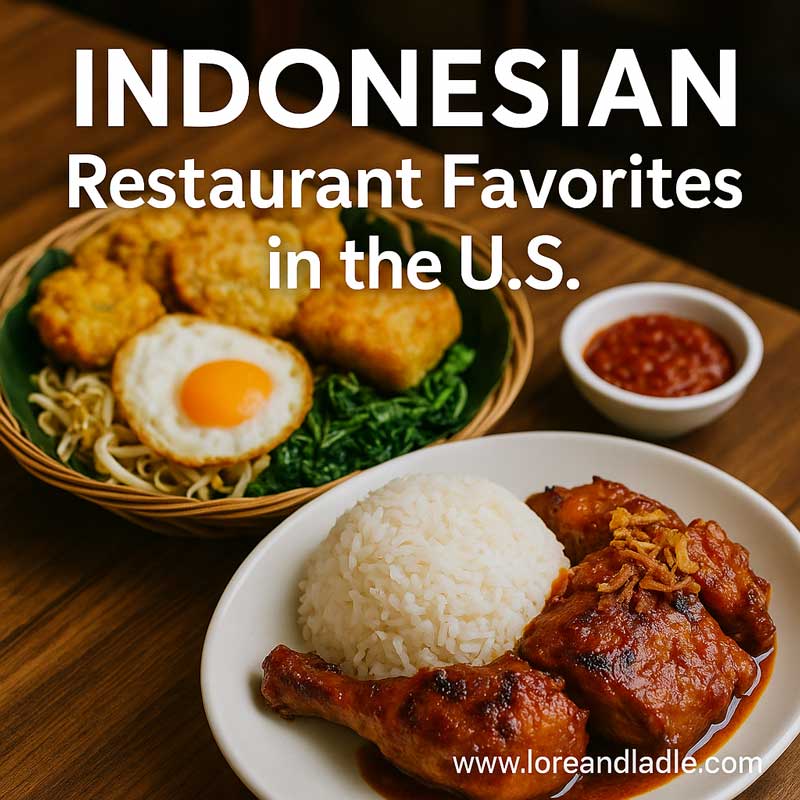
Gudeg Jogja centers on nangka muda, the young jackfruit, slow-cooked until tender and deeply flavored. The dish balances sweetness from palm sugar with earthy spice and a gentle savory note from herbs and coconut. The result is a rich, fragrant stew that invites slow tasting and mindful appreciation. This combination of texture and aroma is memorable, and it signals a cooking style that values patience, layering, and balance. When you see Gudeg served with rice, eggs, tempeh, and sambal krecek, you glimpse a complete, comforting meal that honors harmony between ingredients.
Cultural value: shared meals and timeless craft
Gudeg Jogja carries cultural value that goes beyond flavor. It is a dish that families prepare together, often over a long watch and careful attention. The process celebrates timing, ritual, and teamwork—partners chop, simmer, and taste, then adjust. The result is a sense of belonging, a way to mark gatherings, and a pride in local ingredients and techniques. In Jogja and nearby regions, Gudeg is a staple that bridges everyday meals with festive occasions, reinforcing hospitality and generosity. The dish also honors regional identity, highlighting the distinctive style of central Java through aroma, color, and texture. This makes Gudeg a symbol of local food culture that travelers and Home Cooks alike can appreciate.
Culinary significance: technique, texture, and harmony
Culinarily, Gudeg Jogja teaches a few powerful ideas. First, slow simmering unlocks deep sweetness and develops a velvet texture in nangka muda. Second, the balance of palm sugar, spices, and coconut creates a layered flavor that reveals itself with each bite. Third, the dish demonstrates how simple ingredients can express regional character when treated with care. Finally, pairing Gudeg with accompaniments such as nasi putih, telur, tempeh, and sambal krecek shows how individual components unite into a complete cultural plate. The method emphasizes restraint and timing, two pillars of traditional Indonesian cooking.
Simple home approach: Gudeg Jogja made easy
From Jakarta to your kitchen, you can enjoy Gudeg with practical steps. First, use nangka muda, whether fresh or canned, to save time without losing flavor. Next, blend a straightforward spice paste with garlic, shallots, coriander, bay leaf, and a touch of nutmeg or cloves for warmth. Then simmer slowly with palm sugar and coconut milk or a splash of water to create a rich base. If time is short, try a pressure cooker or slow cooker to shorten the wait while preserving depth. Finally, finish with the classic trio: nasi putih, telur or tempeh, and sambal krecek for a complete experience. This approach keeps the spirit of Gudeg intact while making it approachable for home cooks.
Serving traditions and everyday joy
Traditionally, Gudeg is served in generous portions during meals that feel celebratory yet everyday. The glowing brown color and soft, pull-apart texture invite sharing. Enjoying Gudeg with rice and side dishes highlights how flavors can be both comforting and sophisticated. The dish invites you to slow down, savor aromas, and appreciate careful preparation. In home kitchens, this gentle ritual becomes a lovely way to honor food culture and celebrate the joy of cooking.
A closing note: embracing the beauty of food culture
Gudeg Jogja embodies a quiet elegance: a dish that honors time, craft, and community. By bringing Gudeg into your kitchen, you connect with a regional culinary story—one that values harmony, patience, and the beauty of communal meals. Whether you prepare it with traditional methods or a simplified home technique, the dish offers a welcoming path to explore Indonesian food culture with respect and curiosity. Each bite invites you to celebrate a shared tradition and the joy of good cooking.