
Introduction
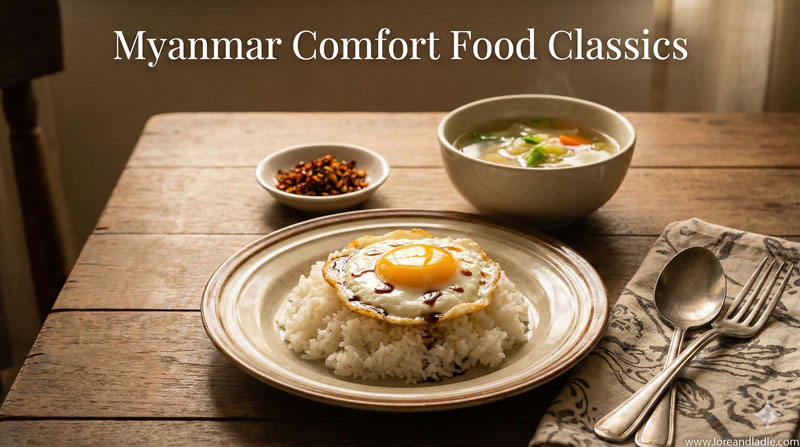
Healthy Myanmar Comfort Food Classics Options for Lighter Meals introduces a thoughtful collection of lighter takes on beloved Burmese favorites. This blog celebrates how Simple Ingredients become meaningful meals. It highlights how family kitchens, markets, and shared bowls reflect a rich food culture. The focus is on flavor, technique, and the sense of wellbeing that comes from familiar dishes prepared with lighter methods. Each option honors tradition while inviting everyday cooks to enjoy comfort with a gentler touch.
The cultural heartbeat of Burmese comfort food
Myanmar’s comfort foods center on balance and freshness. A typical bowl blends soft starch, tender protein, bright herbs, and a touch of warmth. Rice forms the dependable foundation; herbs, lime, garlic, ginger, and fragrant spices lift the dish. Fermented fish paste and fish sauces provide depth without heaviness, while vegetables offer crunch and color. Sharing these meals strengthens family ties and community bonds. By reimagining classics as lighter meals, we honor these values: generosity, everyday nourishment, and respect for seasonal ingredients.
Techniques that keep flavor in balance
Lightened versions rely on clear broths, gentle simmering, steaming, and careful pan work. These approaches preserve aroma and texture while reducing oil. Fresh herbs and citrus brighten each bite, offering complexity without heaviness. Think slow simmered broths with lean protein, or quick stir-fries using a small amount of oil and plenty of vegetables. Pairing textures—nourishing grains with crisp greens—helps keep meals satisfying. The result is a set of dishes that taste like home, but move more easily through a busy day.
Lighter classics in this collection
Here are curated options that reinterpret Myanmar comfort foods for lighter meals. Each dish stays rooted in tradition while embracing a modern, health-conscious approach.
- Mohinga Light: a light, fish-based noodle bowl
-
This version keeps the signature fish broth and rice noodles, but uses a lean white fish, more vegetables, and a broth that’s clear rather than creamy. Fresh lemongrass, garlic, and shallots perfume the stock, while a squeeze of lime and a sprinkle of cilantro finish the plate. The result is a comforting meal with buoyant texture and bright brightness, perfect for a nourishing breakfast or a comforting lunch.
-
Ohn No Khao Swè Lite: coconut noodle soup with greens
-
Ohn No Khao Swè becomes lighter by reducing coconut milk, increasing broth, and loading in greens and shredded vegetables. Brown rice noodles add structure without heaviness. The dish keeps its gentle sweetness from coconut but feels refreshingly balanced thanks to lime juice, ginger, and a touch of chili. It remains a soothing, satisfying bowl that honors the original’s harmony.
-
Yangon-Style Light Fish Curry with Greens
-
A lean fish, such as tilapia or a similar white fish, simmers briefly in a turmeric-ginger base with onions and tomatoes. Greens—spinach, herbs, or mustard greens—cushion the plate and add color and fiber. A light curry sauce, not heavy with oil, lets the fish’s delicate flavor resonate. Serve with a modest portion of rice and plenty of fresh herbs for a meal that feels restorative and culturally rooted.
-
Lentil and Vegetable Rice Bowl with Burmese Spices
-
Lentils bring heartiness and protein to a plate traditionally dominated by fish and chicken. Simmered with turmeric, cumin, coriander, and a hint of chili, the lentils pair with steamed vegetables and a spoon of fragrant rice. A top note of lime or lemon juice brightens the dish, making it a satisfying option for meatless days while honoring Burma’s Pantry Staples.
-
Grilled Lemongrass Chicken with Rice and Fresh Herbs
- Marinade chicken in lemongrass, garlic, ginger, and a touch of turmeric. Grill until lightly charred, then serve with steamed rice and a garden of herbs and sliced cucumbers. This dish captures the country’s love of fragrant herbs and citrus, offering a lighter protein option that feels festive yet simple.
Sourcing and seasonal flavors
Myanmar’s markets reveal a rhythm of seasonal produce. Fresh herbs like cilantro, dill, and Thai basil, along with lemongrass and lime, lift lighter meals with aroma and brightness. Root vegetables, greens, and seasonal fish provide reliable color and texture. When possible, choose ingredients at their peak. That choice sustains flavor and supports local farmers and fishers. Even small substitutions—substituting spinach for mustard greens, or using brown rice instead of white rice—can deepen texture and nutrition without sacrificing tradition.
Why these options matter culturally
These lighter options honor Myanmar’s culinary identity in several meaningful ways:
– They preserve core flavors while adapting to modern routines and health goals, showing how tradition can evolve gracefully.
– They emphasize balance, a hallmark of Burmese cooking, by pairing grains, proteins, vegetables, and herbs in thoughtful proportions.
– They celebrate communal eating, a cornerstone of Burmese life, by offering dishes that are easy to share and enjoy together.
– They highlight the use of local ingredients, supporting sustainable cooking and regional flavor profiles.
Tips for recreating the experience at home
- Start with a clear, aromatic broth. A well-made broth forms the backbone of light comfort dishes.
- Use lean proteins and generous vegetables. Balance keeps the palate engaged without heaviness.
- Season in layers. Build flavor with garlic, ginger, shallots, fish sauce, lime, and fresh herbs.
- Prioritize texture. Include crisp greens, tender grains, and smooth broths for a satisfying mouthfeel.
- Finish with brightness. A squeeze of lime or a handful of chopped herbs lifts the dish.
Closing thoughts
Healthy Myanmar Comfort Food Classics Options for Lighter Meals invites you to explore a culinary landscape where comfort meets clarity. Each option preserves the spirit of Burmese home cooking while offering a lighter path to nourishment. The dishes remind us that culture lives in a kitchen: in the way ingredients are chosen, in the respect shown to seasonal produce, and in the joy of sharing a meal that feels like a warm greeting. Enjoy these lighter takes as a doorway into the beauty and culinary significance of Myanmar’s everyday foods.