
Introduction
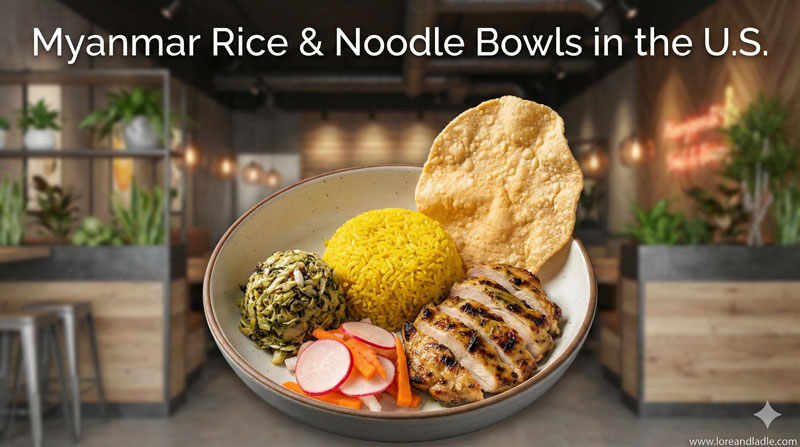
Healthy Myanmar Rice & Noodle Bowls in the U.S. Options for Lighter Meals introduces a thoughtful, bright approach to Burmese-inspired dining. This dish celebrates balance, fresh textures, and vibrant flavors. In the United States, these bowls appear in homes and eateries as wholesome, flexible meals. They invite cooks to blend familiar ingredients with Myanmar-inspired twists, creating a meal that is satisfying yet light.
What makes Myanmar rice and noodle bowls special
Myanmar bowls master balance. A single bowl layers soft rice or noodles with crisp vegetables, aromatic herbs, and a savory-sour dressing. The result is a meal that feels complete yet light. The dishes honor freshness, contrast, and seasonality. In Myanmar cuisine, herbs, citrus, and a gentle touch of fish flavor stand out. When these elements travel to the U.S., they adapt gracefully to lighter preparations without losing identity. The bowls become a small celebration of cultural craft and everyday cooking.
Core flavors and techniques
Key flavors include lime or lemon brightness, a savory edge from fish sauce or fermented soy sauce, and a subtle sweetness that comes from palm sugar or sugar alternatives. Fresh herbs such as cilantro, mint, and Thai basil brighten the bowl. Crunchy vegetables add texture, while toasted nuts or seeds provide warmth. Techniques focus on quick, even cooking and careful balancing. Steam, quick stir-fry, and careful tossing keep ingredients vibrant.
Lighter modifications in the U.S.
In the United States, you can make these bowls lighter without losing depth. Choose lean proteins like grilled chicken, shrimp, tofu, or tempeh. Increase vegetables and reduce oil in cooking. Use low-sodium sauces or lighter dressings with lime, rice vinegar, and a touch of fish sauce. Choose rice noodles or slender rice vermicelli to lower calorie density. Add more greens and herbs to boost volume with minimal calories. These tweaks preserve flavor while prioritizing lighter meals.
Classic components: base, protein, vegetables, and toppings
- Base: steamed jasmine rice or rice noodles form the comforting foundation.
- Protein: grilled chicken, shrimp, fish, tofu, or mushrooms provide savory contrast.
- Vegetables: cucumber, shredded carrot, bean sprouts, cabbage, and fresh herbs add brightness.
- Toppings: chopped peanuts or sesame, fried shallots, and chili slices furnish crunch and warmth.
- Sauce: a bright dressing of lime juice, a touch of sugar, fish sauce or soy sauce, and a whisper of chili oil ties everything together.
How to assemble a balanced bowl
1) Start with a generous base of rice or noodles. 2) Add protein in a warm, juicy layer. 3) Pile on vegetables for color and texture. 4) Scatter herbs and toppings for aroma and crunch. 5) Drizzle a light, tangy sauce to finish. This sequence keeps flavors distinct while building a cohesive, satisfying bowl.
Serving moments and cultural value
These bowls suit a peaceful meal with family or friends, where sharing and customizing are welcomed. The emphasis on fresh herbs, bright citrus, and clean textures mirrors a cultural appreciation for balanced meals. In the U.S., they offer a doorway to Burmese flavors without heavy sauces, inviting diners to savor subtle sweetness, tang, and savoriness in harmony. The bowls celebrate everyday cooking as a form of care and craft.
Practical tips for home cooks in the U.S.
- Look for fresh herbs at markets; they lift the dish with minimal effort.
- Shop for rice noodles and a mild fish sauce that suits your taste.
- Soak or lightly rinse vegetables to keep colors vivid and textures crisp.
- Experiment with lighter dressings by adjusting lime juice and a splash of vinegar.
- Use a nonstick pan or a quick grill for proteins to minimize oil.
Conclusion
Healthy Myanmar Rice & Noodle Bowls in the U.S. offer a graceful fusion of culture and culinary technique. They celebrate Myanmar’s love of balance, brightness, and texture, then translate it into approachable, lighter meals for American kitchens. By combining simple bases, fresh produce, and thoughtful seasonings, these bowls become a versatile, inviting way to experience Burmese flavors with clarity and warmth.