
Discovering a Culture of Lighter Meals in Myanmar
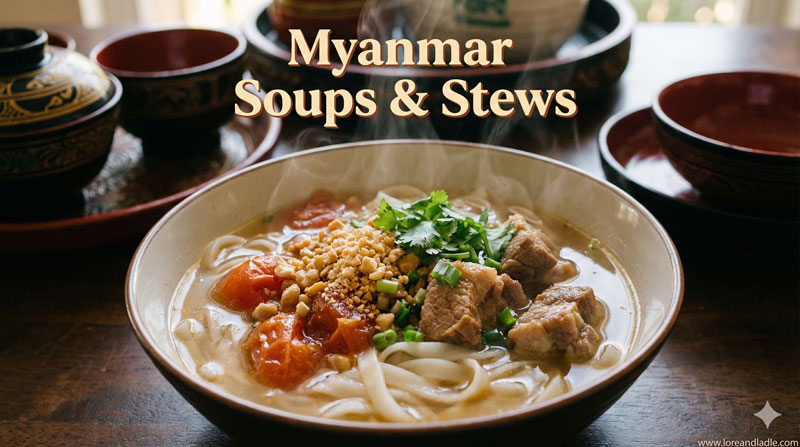
Healthy Myanmar Soups & Stews Options for Lighter Meals invites you into a kitchen where balance and freshness shape daily eating. Burmese cooks honor seasonality with herbs, vegetables, lean proteins, and clear broths. In Myanmar, a bowl can feel soothing and bright at the same time. The practice of crafting lighter soups and stews shows how food can be nourishing without heaviness. These bowls travel from bustling markets to calm home kitchens, carrying stories of place and shared meals. You will notice a welcome warmth, a sweet brightness from lime and lemongrass, and a texture that feels clean and satisfying. The cultural value is simple: nourishment that respects the body, the land, and the joy of gathering.
Mohinga: The Heart of Burmese Mornings and Lighter Variants
Mohinga is a beloved Burmese classic. Its heart rests in a clear fish broth seasoned with lemongrass, garlic, shallots, and a touch of turmeric. Traditionally, it arrives with rice noodles and a small fritter. A lighter version emphasizes the broth and herbs. Use lean white fish, a generous amount of broth, and fewer fried components. Top with fresh herbs, lime, and chili for brightness. This approach respects the dish’s essence—the comforting aroma, the balance of sour and savory—while offering a gentler, rejuvenating bowl. Mohinga’s cultural value lies in how it welcomes dawn and daily life, bringing communities together around a shared, simple pleasure.
Kyay Oh and Ohn No Khao Swè: Gentle Noodle Broths
Kyay Oh is a Burmese noodle soup built on a lightly spiced chicken broth, soft noodles, and tender vegetables. It’s a comforting option that adapts well to lighter preparation. Richness comes from aromatics, not heavy sauces, making it easy to enjoy in a more buoyant form. Ohn No Khao Swè, a coconut-inflected noodle soup, can feel indulgent. Yet a lighter version uses a modest coconut base, adds tomato for brightness, and leans on fresh herbs. Lean chicken, plenty of greens, and a clear, flavorful broth keep these bowls satisfying without heaviness. Both soups celebrate regional diversity and the way households tailor flavors to the day, the weather, and personal appetite.
Herbal and Vegetable Broths: Fresh Flavors from Market Stalls
Many Burmese soups shine when vegetables and herbs take the lead. A simple herbal broth can feature ginger, lemongrass, garlic, and lime peel simmered with greens and mushrooms. Add tofu or a small amount of lean meat for protein. Fresh cilantro, mint, and Thai basil finish the bowl with a scent that lifts the spirit. These lighter broths honor the market’s abundance—root vegetables, leafy greens, and local herbs—creating bowls that feel clean, bright, and restorative. The culinary significance is clear: vegetables carry color, texture, and sweetness that balance any broth, while herbs lend aroma and cultural memory to each sip.
Coastal and Riverine Flavors: Light by Nature
Myanmar’s geography shapes its soups. Coastal and river regions favor fish broths and light seasonings that let seafood shine. Tamarind, lime, and chilies brighten the sea-influenced bowls. In inland areas, green herbs and citrus zest everyday balance with fish or chicken. The lighter versions of these soups still honor place: the land’s harvest, the water’s bounty, and the skill of cooks who coax flavor from Simple Ingredients. These bowls illustrate how regional ingredients become a shared language—a universal invitation to enjoy lighter meals without sacrificing depth or tradition.
Techniques that Keep Broths Healthful and Deep
To craft lighter yet deeply flavorful soups, Burmese cooks use precise techniques. Begin with a clear broth: skim fat and simmer gently to extract flavor without heaviness. Add aromatics early, then finish with bright herbs, lime juice, and a touch of heat right before serving. Keep proteins lean and visible, and let vegetables contribute texture and sweetness. Avoid excessive coconut milk or fried elements when aiming for a lighter meal. These methods preserve the dish’s soul—comfort and nourishment—while supporting easy digestion and daily energy.
Making Light Burmese Soups at Home: Practical Ideas
- Start with a stock base using fish, chicken, or vegetable broth.
- Choose one dominant aroma—lemongrass, ginger, or garlic—and build around it.
- Use thin rice noodles or glass noodles for a delicate bite.
- Add greens such as spinach, kai lan, or cilantro at the end for color and freshness.
- Finish with a squeeze of lime and a dash of chili for brightness.
- Keep fried toppings to a minimum; opt for fresh herbs and a light fritter if desired.
These practical ideas reflect a lived culture: meals prepared with care, shared with family, and enjoyed as part of daily life. Lighter Burmese soups keep the tradition alive in a modern kitchen, inviting you to savor balance, aroma, and the beauty of simple, well-made food.
Acknowledging the Beauty and Balance
Healthy Myanmar Soups & Stews Options for Lighter Meals celebrates more than taste. It honors balance—between broth and bite, between herb and heat, between heartiness and ease. The dishes reflect how Burmese cuisine embraces seasonality, local produce, and the joy of a comforting bowl that leaves you energized. Each bowl tells a story of place, community, and craft. The result is a cuisine that feels timeless, yet endlessly adaptable, inviting everyone to discover lighter meals that are deeply satisfying.
Final Thoughts
If you seek warmth without heaviness, these lighter soups and stews offer a doorway into Burmese culinary culture. They showcase how flavor can be bright and comforting at once, how herbs lift the palate, and how markets and kitchens collaborate to create nourishment for the body and joy for the senses. By embracing these options, you honor a tradition that values clarity, freshness, and connection at every meal.