
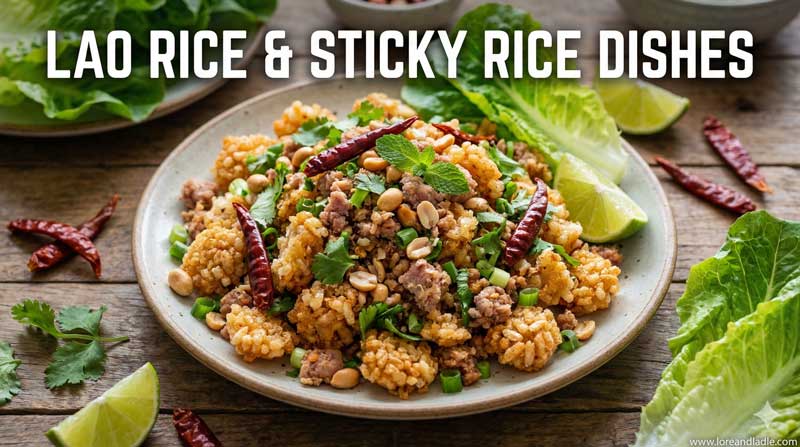
Introduction
In Lao cooking, sticky rice is more than a staple; it is a quiet thread that ties harvest, family, and daily life together. The concept of High-Protein Lao Rice & Sticky Rice Dishes for Busy Professionals invites readers to honor that tradition while meeting modern needs. This approach celebrates how protein-rich preparations can sit gracefully with the gentle texture of khao niaow, the Lao word for sticky rice. The result is a versatile set of dishes that feel familiar, comforting, and wonderfully balanced.
The Cultural Core of Sticky Rice
Sticky rice is the heart of many Lao meals. It is steamed until glossy and slightly chewy, then shaped into small, portable mounds. People eat with their hands, scooping sauces and grilled morsels with the soft grains. In homes, markets, and small eateries, the rice basket is a familiar sight. Sharing a basket signals hospitality and care. The texture of khao niaow, paired with bold herbs and fish, pork, or poultry, creates a conversation between restraint and brightness. This dish concept honors that balance, inviting busy professionals to slow down enough to savor every bite, even during a hectic day.
Culinary Significance: Protein-Forward Lao Dishes
Protein-forward Lao dishes elevate the meal without losing its gentle character. Lean pork, grilled chicken, river fish, eggs, tofu, and legumes join sticky rice to form complete, satisfying plates. Marinades feature lemongrass, garlic, shallots, and subtle pepper, delivering aroma without overwhelming the rice. Sauces and jeow dips add depth, offering tang and warmth that work beautifully with the soft chew of the grains. In Lao cuisine, the rice acts as a welcoming canvas for protein and herbs; in these high-protein versions, the rice supports the protein, letting the flavors shine. The result is energy-rich meals that feel light on the palate yet nourishing for a long, busy day.
Techniques and Ingredients
To keep the tradition intact while boosting protein, cooks often favor methods that preserve texture and brightness. Grilling or broiling small portions of fish or chicken preserves moisture and gives a crisp contrast to sticky rice. Soft-cooked eggs tucked into a wrap of warm rice add richness without heaviness. Tofu and legumes are prepared with sea-salt, garlic, and lime to mirror Lao taste notes while delivering plant-based protein. Fresh herbs such as dill, cilantro, and mint brighten the plate, creating a fragrant balance with the rice. The technique remains practical: flavor-forward proteins, quick-cook methods, and rice that remains the anchor.
Serving Styles and Social Rhythm
In Lao culture, meals are often shared, generous, and attentive to detail. Sticky rice is served in small, palm-sized portions or in neat mounds on a shared platter. Proteins arrive as grilled skewers, sliced fish with herb garnish, or folded eggs tucked into rice bundles. Sauces are placed on the side, inviting dipping and tasting at a gentle pace. Even in a modern office kitchen or a café, the same spirit endures: a thoughtful plate that respects time but does not rush flavor. This alignment of social warmth and culinary refinement makes High-Protein Lao Rice & Sticky Rice Dishes a welcoming choice for professionals who value both culture and efficiency.
For Busy Professionals: Practical and Respectful
These dishes are designed with time in mind. Portion sizes are easy to pack, and protein-rich components can be prepared in advance or cooked quickly in a single session. The sticky rice serves as a reliable base, keeping texture and temperature when meals are taken on the go. Fresh herbs and citrus notes lift flavors, so meals feel clean and repeatable day after day. The cultural emphasis remains clear: a meal that honors tradition while supporting a busy lifestyle. In this way, the dishes become a bridge between heritage and practicality.
The Sensory Experience: Texture, Aroma, and Color
Texture plays a starring role. The tender chew of sticky rice against crisped protein creates satisfying contrast. Aromas from lemongrass, garlic, and herbs invite you to linger a moment longer before tasting. Colors from herbs, lime, and vegetables add life to the plate, signaling freshness and balance. This sensory harmony is a hallmark of Lao culinary artistry and a reminder that nourishment can be both beautiful and functional.
Conclusion
High-Protein Lao Rice & Sticky Rice Dishes for Busy Professionals honors the cultural value and culinary significance of Lao rice traditions. It respects how sticky rice unites families, markets, and meals, while introducing protein-forward elements that support modern routines. The result is a collection of dishes that feel timeless yet practical—inviting, respectful, and delicious. In every bite, you taste a living tradition that celebrates community, craft, and the simple joy of a well-composed meal.