
Introduction
Step-by-Step Hokkien Mee for First-Time Malaysian Home Cooks invites you to discover a dish that hums with memory, craft, and shared warmth. This noodle dish is more than a recipe; it is a doorway into everyday celebrations, quiet family mornings, and the rhythm of a kitchen that cherishes skill passed from hand to hand. Its beauty lies not only in taste but in how it brings people together to savor aroma, technique, and time-honored practice. In this guide, the focus stays on cultural value and culinary significance, showing how a simple wok, a handful of ingredients, and careful timing create something that feels timeless.
What is Hokkien Mee?
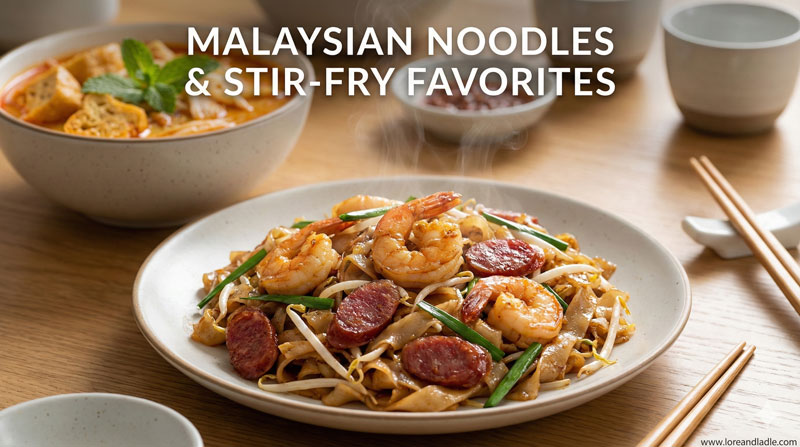
Hokkien Mee is a popular Malaysian stir-fried noodle dish that balances sea flavors with savory depth. It typically features a mix of noodles, with prawns and squid as the sea-bright notes, and tender bites of meat or pork. The dish uses aromatics—garlic and shallots—along with a pair of soy sauces and a light stock or water splash to unlock a gentle, layered savoriness. What makes Hokkien Mee special is the aroma carried through the air as the ingredients meet a blazing-hot wok, followed by a quick, precise toss that coats each strand with glossy sauce. This choreography—high heat, fast movement, careful timing—embodies a core value of Malaysian home cooking: respect for technique that elevates humble ingredients into something celebratory.
Cultural value in Malaysian kitchens
Hokkien Mee sits at the heart of many home kitchens as a dish that welcomes togetherness. It is often prepared for Family gatherings, weekend lunches, and days when a home cook wants to express care through food. The dish teaches patience and precision: selecting ingredients, preparing them cleanly, and coordinating multiple tasks in a short window. It also reflects a kitchen’s adaptability. Home cooks learn to balance flavors with the stall-born instincts of taste—the pinch of salt, the kiss of sweetness from the stock, the brightness of a squeeze of lime or a dab of chili paste. The result is a shared experience. The aroma lingers in the house, inviting conversations about memories of meals, lessons in the kitchen, and the joy of serving loved ones. In this setting, Hokkien Mee becomes more than sustenance; it becomes a cultural touchstone that families reuse, remix, and refine over time.
Core flavors and techniques that define its culinary significance
The beauty of Hokkien Mee rests in technique as much as in taste. The wok hei—“breath of the wok”—is the signature mark of a well-made batch. Achieving this alchemy requires a very hot wok, a quick flick of the wrist, and timing that keeps each ingredient from overcooking. The sauce pairing is simple but precise: a blend of light soy sauce for savor, dark soy for color and depth, and a hint of stock or water to bind the dish without heaviness. Aromatics—garlic and shallots—provide the fragrance that tells you the dish is waking up. Dried shrimp or shrimp paste can accent the seafood sweetness, while vegetables like bean sprouts and choy sum provide crisp contrast and color. The cultural significance here is clear: a dish that validates attention to order, respect for ingredients, and the joy of quick, coordinated action in a hot pan. This is cooking as an expression of local flavor, time-honored practice, and shared hospitality.
Step-by-step guide for first-time Malaysian home cooks
This step-by-step section centers on practice, clarity, and the gentle confidence that comes with careful preparation. Each step is designed to build skill while preserving the dish’s cultural heart.
1) Gather your ingredients with purpose. You will need noodles (a mix of yellow wheat noodles and, if desired, rice noodles), fresh prawns, squid or cuttlefish, garlic, shallots, bean sprouts, choy sum (or a leafy green you prefer), eggs, light soy sauce, dark soy sauce, and stock or water. Optional touches include dried shrimp, a dab of sesame oil, white pepper, and lime or sambal for serving.
2) Prep thoroughly. Peel and clean the prawns, slice squid, mince garlic and shallots, rinse vegetables, and have sauces measured and ready. If using dried shrimp, soak briefly to soften and release their aroma.
3) Heat your wok until it glows. Add a thin film of oil. The oil should shimmer, signaling a readiness to kiss the ingredients without smoking.
4) Sauté aromatics first. Add garlic and shallots; stir until they release a gentle fragrance. This step builds the base aroma that characterizes Hokkien Mee.
5) Introduce the proteins. Add prawns and squid, and stir-fry briefly until they just begin to color and curl. You want them to stay tender and moist.
6) Toast the noodles and surface flavors. If using dried noodles, briefly separate and loosen them so they don’t clump. Add them to the wok and toss to coat with the aromatics and soy sauces.
7) Create the sauce and bind the dish. Add light soy, dark soy, and a splash of stock or water. Toss quickly to coat every strand. The goal is a glossy, cohesive appearance rather than a wet pool.
8) Finish with vegetables. Add bean sprouts and choy sum, turning them in for a quick wilt with bright color that stays crisp in the heat. Push the mixture to the sides of the wok.
9) Add the egg. Scramble a beaten egg in the center, then fold it through the noodles so every strand gleams with a fine, delicate texture.
10) Plate and present. Transfer to a warm serving dish. Finish with a light crack of white pepper, a drizzle of oil if desired, and a final toss of chopped green onions or shallots.
This sequence highlights balance: heat, timing, and a respect for ingredients that honors the dish’s heritage. If you are a first-time home cook, practice the rhythm rather than chasing perfection in each attempt. With time, the scent will become your familiar welcome.
Tips for mastering wok hei and balanced flavor
-
Use the right pan. A well-seasoned wok or a sturdy, large skillet helps you maintain high heat and quick movement.
-
Keep ingredients dry when adding to the wok. Excess moisture lowers heat and dampens the signature sizzle.
-
Prep everything before you start cooking. In a fast stir-fry, you cannot hunt for sauces or ingredients mid-step.
-
Don’t overcrowd the wok. Work in batches if needed to keep the heat intense enough to sustain wok hei.
-
Finish with a small amount of high-heat tosses. A final flourish toss coats the noodles in the glossy sauce while preserving texture.
-
Taste and adjust quickly. A small splash of light soy or a pinch of salt can bring balance without breaking the dish’s memory.
Variations and regional notes
Hokkien Mee varies by kitchen and occasion, yet the core essence remains consistent: quick, bright, and flavorful. Some cooks favor a richer, darker aroma with more soy; others lean toward a lighter, cleaner profile that lets the natural sweetness of seafood shine. Some households add choy sum, others prefer a crunchy bean sprout contrast or a slice of lime to brighten the finish. The beauty of the dish lies in its adaptability to family preferences while preserving a shared technique and cultural memory. Regardless of the variation, the sense of craft—of building layers in a single wok—remains the same.
Serving and appreciation
Serving Hokkien Mee is a moment to celebrate the meal as an experience. Present the dish in a warm, inviting bowl that catches the glossy sauce and the vibrant greens. Offer lime wedges or a small dish of chili sauce for personal brightness, if you enjoy a touch of heat. In many homes, serving is a chance to watch smiles unfold, to hear a quick compliment on the aroma, and to share a memory of meals past. This communal act reinforces the dish’s place in daily life: a bridge between everyday cooking and the joy of gathering around a table.
Conclusion
Step-by-Step Hokkien Mee for First-Time Malaysian Home Cooks presents more than a method; it offers a pathway into the heart of Malaysian food culture. The dish embodies skill, hospitality, and the pleasure of turning simple ingredients into something memorable. By embracing the step-by-step approach, you learn not only technique but also respect for tradition and the beauty of daily cooking. Each wok-toss brings you closer to the soul of a kitchen that values care, clarity, and sharing. With patience and practice, your Hokkien Mee becomes a living sign of culinary craft—rich in flavor, generous in spirit, and distinctly Malaysian in its warmth and welcome.