
From Malaysia to America: A Home Cook’s Guide to Hokkien Mee
Hokkien Mee is a bright, comforting noodle dish that celebrates skill, balance, and shared tables. In American kitchens, it becomes a warm invitation to slow down and savor each step. The dish blends sweet, salty, and savory notes with the tactile joy of noodles, crisp scallions, and tender seafood. It speaks to cultural value through technique, memory, and the delight of gathering around a single pan. This guide celebrates its culinary significance and the care it invites in home cooking. It centers on flavor, method, and the everyday beauty of bringing a Malaysian favorite into a new routine.
What Is Hokkien Mee? A Quick Window into Flavor and Craft
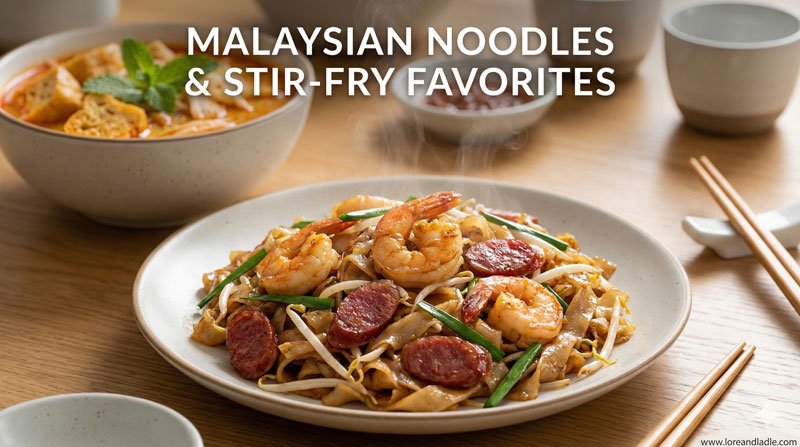
Hokkien Mee refers to a family of noodle dishes distinguished by depth of flavor and a satisfying mouthfeel. In Malaysia, cooks typically use thick egg noodles or yellow noodles, paired with shrimp, squid, and slices of pork or chicken. A fragrant, slightly dark sauce blends soy, oyster sauce, and a dash of stock to create a glossy coating. Fresh bean sprouts, choy sum or bok choy, and garlic add crunch and brightness. The dish often features a touch of ginger or garlic oil and a hint of sweetness that rounds the savoriness. Crucially, it earns its character from wok-cooked aroma and a quick, high-heat stir-fry, which creates wok hei, a subtle smoky fragrance with caramelized edges on the noodles. In American kitchens or markets, cooks honor these elements by choosing sturdy noodles, fresh seafood, and greens that crisp just right. The result is a dish that preserves its essence while inviting personal touches.
The Signature Techniques: Craft That Defines the Dish
The magic of Hokkien Mee lives in technique. Start with a hot, seasoned wok and a small amount of oil to keep flavors bright. Add garlic or shallots first to release their aroma, then introduce the proteins so they sear without overcooking. The sauce should glisten without pooling, coating every strand of noodle evenly. Timing matters: noodles go in last, just long enough to soak up the sauce and heat through while maintaining a slight bite. A quick splash of stock or water can help the sauce cling to each noodle, creating that glossy finish. Tossing is brisk and precise; every movement aims for even caramelization of the edges. Finally, crackles of fried shallots and a bright squeeze of citrus or lime lift the dish, while greens keep the texture lively. in America, cooks may adapt the heat source or ingredients, but the core technique remains: fast, hot cooking that preserves texture and color, with a fragrant finish.
Cultural Value: Food as Family, Memory, and Shared Experience
Hokkien Mee carries cultural value through its role in daily life and social cuisine. It is the kind of dish that families cook together during busy evenings, turning a routine meal into a small celebration of shared skill. The recipe travels through memories: how a grandmother trims the noodles, how a parent adjusts the sauce to taste, how siblings crowd around a stove to watch the sizzle. Prepared for guests, it becomes a comforting gesture—food as a sign of welcome and care. In markets and casual eateries, the dish often appears as a connector between generations, inviting talk about technique, favorite toppings, and local twists. Its appeal lies in its balance: a comforting base with bright notes, a texture that carries through each bite, and a sauce that binds ingredients with warmth. The dish also highlights craftsmanship in everyday life, showing how skill and patience can elevate simple ingredients into a meaningful, shared experience.
Adaptation in American Homes: Availability, Creativity, and Respect
American home cooks often bring Hokkien Mee into their weekly menus with thoughtful substitutions that respect the spirit of the dish. Availability guides choices—thicker noodles for heft, fresh seafood when possible, greens that stay crisp with a quick stir. Families may swap proteins for chicken or pork, or create a seafood-forward version with shrimp and squid. The sauce remains the heart: a balanced blend of soy and oyster flavors, enhanced with a touch of stock to mellow richness. Pepper, a splash of chili sauce, or a pinch of sugar can be adjusted to taste, making the dish accessible to a range of palates. Vegetarians can omit meat and rely on mushrooms, seaweed stock, and flavorful aromatics to maintain depth. Across kitchens, the dish becomes a canvas for personal style while keeping a respectful link to its Malaysian roots. This interplay between tradition and everyday adaptation is where culinary culture stays alive and inviting.
Serving It Right: Garnishes, Pairings, and Plate Philosophy
When Hokkien Mee reaches the plate, it shines with texture and aroma. Crispy shallots or fried garlic add a gentle crunch that contrasts with the tender noodles. Fresh bean sprouts bring a crisp bite and a subtle freshness, while greens like choy sum contribute color and balance. A wedge of lime or a light squeeze of citrus brightens the sauce and refreshes the palate. A small dollop of chili sauce or a spoon of sambal can invite heat, but optional garnishes let each diner tailor the dish. Plate it while hot to preserve that glossy sauce and the steam that carries aroma to the table. The presentation matters as a shared invitation: a glossy bed of noodles, a colorful roster of proteins and greens, and the warm, aromatic scent that signals a welcoming meal. In this spirit, Hokkien Mee becomes more than sustenance; it becomes a moment of connection, skill, and appreciation for craft.
Closing Thoughts: The Timeless Bridge of Flavors
Hokkien Mee offers a quiet, powerful message: great flavor travels well and grows richer in care. In America, home cooks bring patience, curiosity, and respect for technique to the table. The dish honors its Malaysian heritage through its essential elements—noodles with a savory glaze, a quick wok-fry, and a balance of textures. It also adapts with warmth and imagination, inviting new families to make it their own while preserving its core identity. As a result, Hokkien Mee remains a beloved dish because it celebrates craft, sharing, and the enduring appeal of a well-made meal. It is a reminder that food, prepared with intention, can bridge moments of everyday life with a sense of tradition and joy.