
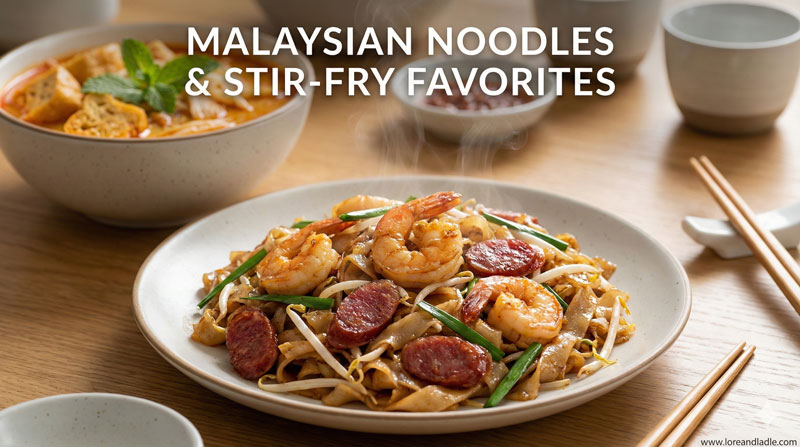
Hokkien Mee: The Malaysian Comfort Food You Need to Try Next
Hokkien Mee is a beloved Malaysian dish that invites you to slow down and savor. In each plate, you taste a careful balance of noodles, seafood, and greens. The dish sits at the crossroads of Home Cooking and street dining, where familiar flavors feel both comforting and exciting. It’s more than a meal; it’s a small celebration of everyday life and shared appetite.
A Cultural Value at the Heart of Malaysian Eating
In Malaysia, food is a daily ritual that brings people together. Hokkien Mee is a staple at bustling hawker centers, where cooks work with precision and pace. Families and friends meet around a table, swap stories, and pass bowls along the line of servers. The dish reflects values of hospitality, craftsmanship, and patience. Each bite carries the memory of a bustling stall, the aroma of garlic and soy, and the vibrant chatter of a community enjoying its own flavors. In this way, Hokkien Mee becomes more than sustenance; it is a thread that links generations through shared taste and ritual.
The craft behind Hokkien Mee highlights respect for ingredients and technique. The noodles are treated like a flexible canvas, absorbing the depth of sauces while staying springy. Fresh prawns, pieces of pork or chicken, and crunchy bean sprouts offer texture contrasts that invite lingering at the table. The way vendors time the cooking—quick, precise, and hot—creates a moment of culinary theater that celebrates skill and focus. This sense of mastery, passed down in kitchens and stalls, makes Hokkien Mee a cultural touchstone that many Malaysians recognize and cherish.
Regional pride also shines through the dish. Across cities and towns, cooks adjust the balance of salt, sweetness, and aroma to reflect local palates and seasonal produce. These subtle shifts honor local suppliers and preferences while preserving the core identity of the dish. The result is a crowd-pleaser that still respects neighborhood flavors. For visitors, this means every stall offers a slightly different expression of Hokkien Mee, inviting curiosity and appreciation.
The Culinary Signature: Flavor, Texture, and Technique
The beauty of Hokkien Mee lies in its harmony. The noodles provide a silky base, while garlic, soy sauces, and a hint of sweetness layer in depth. Dark soy sauce darkens the dish just enough to give a glossy, inviting color without overpowering the natural flavors. A touch of light soy adds brightness, balancing the richness. The result is a savory profile that lingers on the palate.
Texture plays a leading role. Tender noodles mingle with crisp bean sprouts and vegetables, and bits of egg add a soft, comforting note. Prawns and small slices of pork or chicken supply tender morsels that contrast with the chew of the noodles. The final aroma, often smoky and slightly charred, comes from the wok’s intense heat. This wok hei, or breath of the wok, is a prized hallmark of well-made Hokkien Mee. It speaks to timing, temperature, and the cook’s confidence with the flame.
The eating experience emphasizes rhythm. First you hear the sizzle, then you notice the glossy sheen on the noodles, followed by the balance of salty, sweet, and savory. The dish invites you to appreciate both technique and sensorial delight. The result feels both comforting and exciting, a testament to how well-conceived flavors can be uplifting without shouting.
Regional Expressions Across Malaysia
While the core concept remains the same, Hokkien Mee adapts to local sensibilities in different parts of Malaysia. In some places, you’ll find variants that emphasize a slightly sweeter sauce, while others emphasize a stronger garlic finish or a richer glaze. Some stalls pair the dish with crunchy greens or choy sum for color and bite, while others lean toward a purer noodle-and-seafood presentation. These variations reflect the culinary curiosity that thrives in Malaysian kitchens and markets, where cooks continually respond to what’s fresh and loved in their neighborhoods.
This regional texture contributes to the dish’s appeal. It becomes easy to explore, with each stall offering its own signature touch. Yet, at the core, the dish remains unmistakably Hokkien Mee: the union of noodles, seafood, aromatics, and a skilled, high-heat stir-fry. The shared appreciation for this balance helps people from different backgrounds connect over a common food language.
The Craft Behind Each Plate
Behind every serving is a careful sequence of actions. First, a hot wok receives a small amount of oil. Garlic and aromatics are added to perfume the air, then noodles are introduced and tossed quickly to avoid clumping. Seafood and pork join the mix, followed by a coordinated pour of sauces that deepen color and savor. The cook’s wrist moves in a practiced arc, preserving texture while delivering a glossy finish.
The choice of ingredients matters. Fresh prawns, slender slices of pork or chicken, earthy greens, and crisp bean sprouts all contribute to balance. A bright squeeze of lime at the table can lift the dish, while a dab of chili paste or sambal can awaken the palate for those who enjoy heat. The careful assembly and seasonings tell a story of resourcefulness, seasonality, and an artisan’s pride in a well-taught craft.
for Home cooks, this dish offers a canvas for personal touch. You can honor tradition with classic soy-based sauces, or you can explore lighter soy blends and vegetables to suit your taste. The essential idea stays the same: a fast, focused stir-fry that preserves moisture, color, and aroma. In this spirit, Hokkien Mee becomes a versatile expression of skill and care.
What to Pair With Hokkien Mee
A balanced meal with Hokkien Mee can feature simple, refreshing accompaniments. A cool cucumber salad or a plate of lightly dressed greens provides a crunchy contrast. A hot cup of tea, even cooled to room temperature, cleanses the palate between bites. For those who enjoy drinks, a crisp, mildly sweet beverage can complement the dish’s savoriness without overwhelming it.
Simplicity often works best. A squeeze of lime adds brightness, while a small dollop of chili paste can offer warming heat for those who want it. The goal is harmony: let the flavors of the noodles and seafood speak, and use sides to enhance, not overpower, the dish’s essence.
How This Dish Inspires Everyday Life
Hokkien Mee teaches appreciation for craft, patience, and shared meals. The dish invites cooks and diners alike to slow down enough to notice the layering of aromas and textures. It invites families and friends to connect over a single plate that celebrates everyday abundance. In this way, Hokkien Mee is not just food; it is a gentle teacher of culinary mindfulness and social joy.
Conclusion: A Dish That Celebrates Flavor and Community
Hokkien Mee embodies the heart of Malaysian dining: warmth, skill, and a sense of belonging. Its rich flavors arise from a careful balance of ingredients and high-heat technique. Its textures celebrate both softness and crunch. Most importantly, its presence at hawker stalls and family tables marks it as a dish that brings people together, one plate at a time. If you are curious about Malaysian food, start with Hokkien Mee. Enjoy its depth, respect its craft, and savor how it quietly honors the art of everyday meals.