
A Flavor Worth Exploring
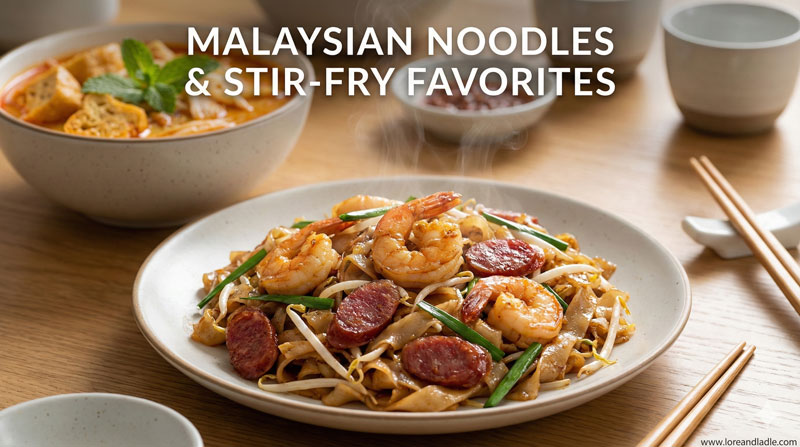
Hokkien Mee Recipe That U.S. Food Lovers Are Craving Right Now invites readers into a celebration of rhythm, aroma, and technique. This dish embodies a lively balance of seafood sweetness, egg richness, and a smoky finish. It is a favorite for people who enjoy meals that feel both comforting and bold. The dish speaks to the beauty of careful wok practice and to the joy of shared dining. It welcomes cooks and eaters to pause, appreciate, and savor the craft behind each bite.
Heart of the Wok: Technique and Texture
The essence of Hokkien Mee lies in the art of wok cooking. A hot pan, a quick stir, and a precise cadence create what chefs call “wok hei” — the breath of the wok. This aroma signals depth and control. The dish blends protein, shellfish, eggs, and noodles with a glossy glaze that carries savory notes from soy sauces and a touch of sweetness. Crisp bean sprouts, slivers of green onion, and a kiss of garlic bring crunch and brightness. The texture dance is deliberate: tender noodles, succulent seafood, silky egg, and a crisp finish that lingers on the palate. In short, every component plays a role, and every bite rewards the maker’s attention to heat and timing.
Regional Expressions and the Cultural Palette
Across Southeast Asia, two popular expressions of Hokkien Mee appear in many kitchens and hawker stalls. One version leans toward a dry, richly lacquered fry with egg and seafood. The other often appears with a fragrant, fuller broth or stock base that steams beneath the noodles. Regardless of variation, both styles honor the same core ideas: balance, speed, and the signature shallow, glossy sauce that binds elements without overwhelming them. These regional expressions showcase how a shared idea can adapt to local ingredients, preferences, and cooking tools, enriching the dish with subtle differences while preserving its soul.
Aromatic Symphony: Herbs, Oil, and Stock
Aromatic components define the first impression of Hokkien Mee. Fresh garlic and shallots, when heated briefly in a hot wok, release a perfume that blends with a savory glaze. A touch of pork fat or neutral oil adds richness, while seafood stock or a light ladle of broth can lift the dish to new brightness. Dark soy and a hint of oyster sauce provide depth, while a squeeze of lime or a dab of sambal offers a lively counterpoint. The result is an aroma that invites you to the table and a flavor profile that stays memorable long after the meal ends.
The Cultural Value of Sharing and Craft
This dish shines when shared. In markets, stalls, and family kitchens, Hokkien Mee brings people together around a single sizzling wok. The act of cooking becomes an exchange: stories, tips, and small tricks pass from one cook to another. The dish supports a culture of craft, where time-honored techniques meet fresh ingredients. It also reflects a sense of place — a link between the sea’s gifts, the pantry’s staples, and the heat of the kitchen. In this way, Hokkien Mee is more than food; it is a living thread in a community’s culinary tapestry.
From Market to Table: The Fresh Ingredient Ritual
Freshness matters. The best Hokkien Mee uses lively shrimp, tender squid, and eggs that hold color and flavor. Noodles, whether thick yellow strands or other regional varieties, should possess a bounce and absorb the glossy sauce without becoming mushy. Every element has a moment: the moment the wok is hot enough, the moment the sauce coats the noodles, the moment the garnish adds a final sparkle. This ritual of sourcing, prepping, and cooking underscores the reverence many cooks feel for the dish and the way it connects a kitchen to the broader food culture.
A Modern Enthusiasm: Hokkien Mee in the U.S.
Today, U.S. food lovers are discovering Hokkien Mee as a passport to Southeast Asian flavor and technique. Restaurants, pop-ups, and Home Cooks introduce the dish with warmth and clarity, emphasizing the craft behind the sizzle. The dish appeals to those who seek bold, well-rounded flavors and appreciate the skill required to balance sweetness, salt, and smoke. Its presence in American menus offers a respectful bridge between traditions and contemporary tastes, inviting everyone to celebrate a dish that respects its roots while inviting new audiences to participate in the cooking and sharing experience.
How to Honor the Dish in Your Kitchen
If you want to bring Hokkien Mee into your home kitchen, start with a plan for mise en place. Have your noodles, seafood, eggs, greens, and sauces ready before you heat the pan. Use a wide, heavy skillet or a proper wok, and preheat until it begins to shimmer. Work quickly, adding ingredients in order to maintain the pace of cooking. Keep a light hand with the sauces to preserve balance, and finish with a fresh garnish to lift the aroma. Remember that the joy of this dish is in the craft as much as the taste.
A simple outline to guide you:
– Prep ingredients: noodles, seafood, eggs, bean sprouts, scallions, garlic, and sauces.
– Hot wok, add fat, then aromatics until fragrant.
– Add proteins and noodles; stir briskly for even coating.
– Introduce sauces and a small amount of stock for shine.
– Finish with greens, a squeeze of citrus if desired, and a final toss.
A Conclusion: A Nurturing Tradition
Hokkien Mee Recipe That U.S. Food Lovers Are Craving Right Now invites readers to appreciate the dish as a beautiful fusion of technique, aroma, and shared experience. It is a reminder that great meals emerge from careful heat, thoughtful ingredients, and the joy of serving others. In every bite, there is a celebration of craft, community, and the timeless pleasure of discovering a regional treasure.