
A Celebration on a Plate
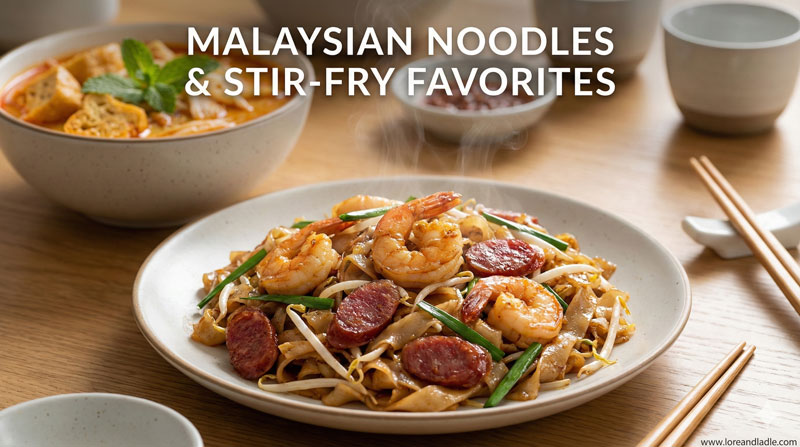
Hokkien Mee That’s Winning Over Foodies Across the U.S. is more than a dish; it is a celebration of technique and balance. Thick, yellow noodles meet a quick, high-heat stir-fry that glistens with a glossy glaze. Shrimp, pork, and squid join with garlic, shallots, and a touch of oil to create a chorus of textures. The aroma invites you in and the plate invites sharing. This dish stands out because it marries comfort with bright, lively flavors that lift the mood of any meal.
The Craft: Wok, Flame, and Flavor
The core magic of Hokkien Mee lives in the wok and the flame. A hot wok sears the ingredients rapidly, creating caramelized edges and a deeper savor. This is the crisp “wok hei” moment—the breath of the wok that lifts the dish beyond ordinary stir-fry. Sauces blend soy, a dash of fish sauce or oyster sauce, and a hint of sweetness to balance salt and savor. The result is a glossy coating that clings to each noodle strand, carrying the savory perfume through the bite. The skill lies in timing: add aromatics first, then proteins, then noodles, so every component hits the palate with clarity rather than crowding the plate.
Flavor Notes: Umami, Color, and Texture
Hokkien Mee offers a lively spectrum of flavors. It balances salty, sweet, and smoky notes with a bright finish from scallions or chives. The noodles gain body from a light starch and absorb the savory glaze without becoming dense. Textures alternate between the chew of the noodles, the tenderness of seafood or pork, and the occasional crunch from onions or vegetables. A squeeze of lime or a final drizzle of hot sauce can lift the dish, revealing new facets with each bite. The result is a versatile, approachable plate that remains deeply satisfying from first bite to last.
Cultural Value in American Kitchens
In American kitchens, Hokkien Mee has become a bridge between flavor curiosity and culinary craft. It invites cooks to practice precise timing, heat management, and balance across ingredients. The dish’s openness encourages Home Cooks to experiment with proteins, vegetables, and level of heat while preserving a core, recognizable identity. Its presence on menus and in Home Cooking signals respect for a vibrant regional cuisine and a willingness to explore flavors with clarity and joy. The result is a noodle dish that feels both comforting and adventurous, honoring craft without demanding high barriers to entry.
Adaptability Across Regions
Across American regions, cooks adapt Hokkien Mee to local ingredients. Some add more seafood for a coastal touch; others spotlight pork or chicken. Vegetarian versions substitute mushrooms and tofu, still delivering the same wisp of fragrance and satisfying bite. Fresh herbs, chili oil, or lime wedges tailor the heat and brightness to personal preference. This flexibility helps the dish express local character while preserving its essential technique and spirit. It remains a versatile platform for creativity within a respected culinary framework.
Sharing the Table: Occasions and Pairings
Hokkien Mee shines in social settings. It pairs well with light, refreshing beverages and can anchor a family-style table or a casual gathering. Its generous portions invite sharing, conversation, and a sense of arrival at the table. Garnishes such as fried garlic, scallions, or sesame seeds add final touches that heighten aroma and color. The dish is not just food; it is an invitation to slow down, savor, and celebrate the joy of well-made cooking.
A Gentle Invitation to Discover
Hokkien Mee That’s Winning Over Foodies Across the U.S. is a bright example of how a traditional technique can resonate with modern palates. It honors skill, respects ingredients, and invites ongoing exploration. If you seek a dish that combines depth with approachability, it stands ready to welcome you into a shared table of flavor, craft, and cultural delight.