
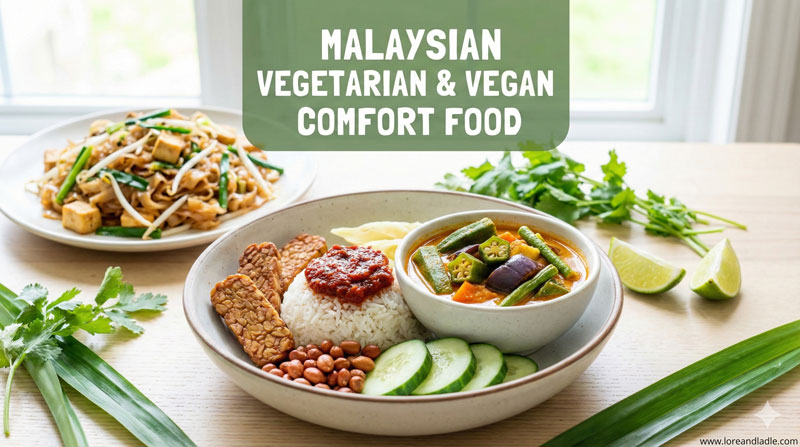
From Malaysia to America: A Home Cook’s Guide to Vegan Char Kway Teow
From Malaysia to America, vegan Char Kway Teow invites Home Cooks to celebrate a street-food favorite with plant-based ingredients. In American kitchens, this dish becomes a canvas for technique, seasonality, and shared moments around the stove. Its cultural value lies in its ability to pair humble Pantry Staples with a bright balance of textures and flavors. The dish thrives on contrast: glossy noodles, crisp bean sprouts, soft tofu, and the perfume of garlic and chives. By choosing plant-based options, cooks honor the dish’s adaptability and hospitality. This guide shows how a single wok fry can carry memory, skill, and joy from one kitchen to another.
Core Flavors that Define Char Kway Teow
Char Kway Teow is a harmony of bold and subtle notes. Garlic shines first, releasing its aroma as oil heats. A touch of sweet soy adds depth and a hint of caramel. A whisper of chili brings warmth without overpowering the other flavors. The star is the wok-fried aroma, a smoky perfume known as wok hei, which signals high heat and precise timing. For vegan versions, mushrooms and miso or mushroom concentrate mimic the umami bite of traditional depth. Bean sprouts and chives contribute fresh, leafy brightness that balances richness. Together, these elements create a plate that feels both familiar and exciting, a cultural canvas that welcomes plant-based cooks to explore.
Techniques that Elevate the Experience
Achieving Char Kway Teow’s signature texture begins with heat and timing. Use a seasoned wok or a heavy skillet and preheat it until the surface lightly shimmers. Have all ingredients prepared and within reach, because the key is swift, continuous motion. Soak or refresh rice noodles just enough to loosen them, then drain. Add oil and garlic to release fragrance, followed by noodles, tofu, and mushrooms in quick, high-heat motions. Stir-fry in short bursts to keep noodles from steaming. Finally, fold in bean sprouts and chives, then finish with a quick splash of soy sauce and a touch of sweet sauce. The result should feel lively, fragrant, and just a touch smoky.
Ingredient Spotlight: Vegan Substitutes That Honor Tradition
- Flat rice noodles (kway teow) as the base
- Firm tofu, pressed and cut into bite-sized pieces
- Mushrooms (shiitake or oyster) for umami and texture
- Bean sprouts for crunch
- Garlic, sliced thinly
- Chives or green onions, cut into short lengths
- Dark soy sauce and light soy sauce for color and balance
- Vegetarian oyster sauce or mushroom sauce for depth
- Palm sugar or brown sugar for a gentle caramel note
This combination honors the dish while staying true to a vegan approach. Fresh herbs and a squeeze of lime can brighten the plate without changing its core essence.
The Cultural Value in Home Kitchens Across the Nation
In American homes, vegan Char Kway Teow becomes a shared ritual of cooking, tasting, and learning. It demonstrates how a dish can travel through techniques and ingredients, evolving with local produce and preferences while preserving its spirit. The recipe invites curious cooks to explore balance—between speed and care, richness and lightness, familiarity and novelty. Families and friends gather to enjoy the sizzling sound of a wok and the layered aromas that fill the room. In this way, the dish serves as a living bridge between culinary traditions, encouraging respectful curiosity and joyful experimentation.
Serving Traditions and Presentations
Serve Char Kway Teow hot, straight from the wok, to preserve its aroma and texture. A light squeeze of lime adds brightness, while chopped chives and toasted sesame seeds offer color and a soft crunch. Some cooks finish with fried shallots for a gentle sweetness, while others prefer a clean, minimalist plate that showcases the noodles and vegetables. Pair it with a simple cucumber salad or a crisp pickled relish to contrast with the rich wok-fried flavors. The presentation should feel inviting, vibrant, and ready for sharing.
A Practical Guide for Home Cooks
- Start with a well-prepped station: mise en place helps you move quickly and confidently.
- Use high heat and a hot wok to achieve the desired smoky aroma.
- Keep the noodle texture in mind; avoid overcooking to preserve chewy bite.
- Balance flavors with a mix of salty, sweet, and a touch of acidity.
- Adapt with plant-based substitutes without losing the core character.
This approach makes vegan Char Kway Teow both accessible and deeply satisfying. It celebrates the dish’s beauty, technique, and the joy of cooking that travels from Malaysia to American kitchens.