
Introduction
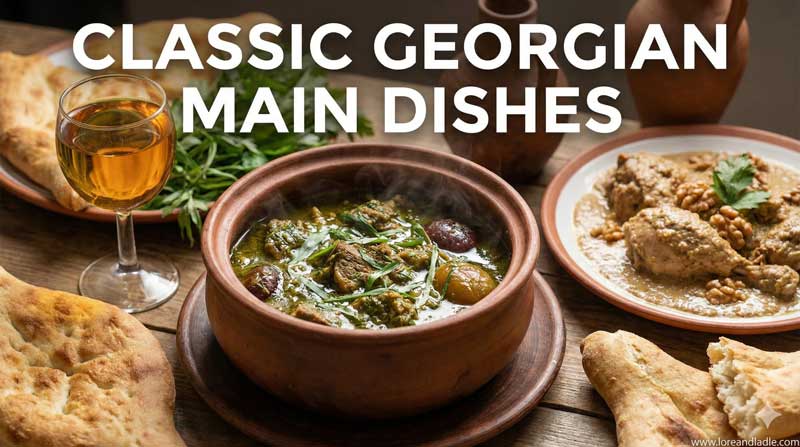
Home-style chakhohbili chicken — Ideas to Bring Georgian Flavors to Your U.S. Table invites you into a kitchen where herbs lead the way. This dish embodies a warmth that Georgian families bring to everyday meals. It centers on fresh greens, bright tomatoes, and tender chicken. The result is a fragrant stew that feels both comforting and bright. In this post, we explore its cultural value and culinary significance, and we share ideas to celebrate its flavors at Home.
The heart of chakhohbili: herb-forward flavor
Chakhohbili is a herb-forward stew. The core is simple: chicken, a tomato base, and a generous bouquet of greens. Readers will notice parsley, cilantro, dill, and green onions weaving through the sauce. Mint and garlic often join in, adding perfume and brightness. This blend mirrors Georgia’s love of fresh produce and seasonal herbs. The herb mix does more than flavor the dish; it defines its spirit. Each spoonful carries a garden-like aroma that elevates humble ingredients into a memorable meal.
Technique and texture: gentle braise, bright finish
The technique is a study in balance. Start with a light browning of chicken to develop depth. Then simmer with tomatoes, onions, garlic, and the herb mix. The greens bloom into the sauce, giving the dish its signature color and fragrance. The result is a tender, juicy chicken coated in a sauce that feels airy yet satisfying. This method highlights patience and care—two values often shared at family tables. When finished, a sprinkle of chopped greens adds a fresh, peppery lift that lingers on the palate.
Cultural value: hospitality, seasonality, and shared meals
Chakhohbili embodies hospitality. In Georgian homes, meals are moments of connection. A herb-rich dish like this invites conversation, sharing, and appreciation for seasonal bounty. The emphasis on fresh herbs reflects a broader respect for the land and what each season offers. Food becomes a canvas for generosity, where a kitchen’s scent welcomes guests and starts a conversation about flavors, memories, and everyday life. The dish’s simplicity also communicates a universal message: good ingredients, treated with care, create warmth around the table.
Georgia’s landscape in a dish: regional pride and flavor
Georgia’s landscapes—mountains, valleys, and coastal air—shape its food. Chakhohbili mirrors this geographic poetry. The bright greens evoke fields and gardens well tended in coastal and inland towns alike. The tomato sauce provides a sun-kissed hue reminiscent of southern gardens. Herbs grown near homes carry stories of little plots and family plots alike. When you cook chakhohbili, you are participating in a culinary tradition that honors place, season, and shared meals. The dish becomes a bridge between fields and the table, a reminder that flavor often travels from soil to simmer to plate.
Bringing Georgian flavors to the U.S. table: practical ideas
- Keep the herb-forward core. Use parsley, cilantro, dill, mint, and green onions generously. They are the dish’s soul.
- Adapt with local produce. If a traditional herb is hard to find, substitute with comparable greens that offer similar brightness, preserving the overall balance.
- Preserve the simple tomato base. A straightforward sauce lets the greens shine. Fresh tomatoes or a quality tomato passata work well.
- Choose a respectful protein option. Chicken thighs keep moisture; chicken breasts can be used if you prefer lean meat. Both work with the herb and tomato notes.
- Plate with care. Garnish with chopped greens and a drizzle of olive oil. A wedge of bread or a light grain like rice or bulgur completes the meal.
- Pair with easy sides. A crisp cucumber salad, pickled vegetables, or yogurt-dill sauce can echo the herb-forward theme without overpowering it.
- Embrace rhythm and pace. Georgian meals often unfold slowly in a welcoming rhythm. Allow time for aroma to rise, flavors to mingle, and conversation to flow.
Plating, sharing, and the beauty of the meal
Serving chakhohbili as a centerpiece invites sharing. A generous spoonful across a warm plate signals welcome. The vivid greens and tomato-red sauce look inviting, encouraging guests to take a second helping. This dish thrives on togetherness, where the act of passing the dish becomes part of the experience. In this spirit, the table becomes a space for stories about flavors, traditions, and family favorites—an everyday celebration of culture through food.
Conclusion
Home-style chakhohbili chicken offers more than a tasty meal. It preserves a cultural approach that honors herb-forward cooking, seasonal abundance, and generous hospitality. The dish’s brightness, balance, and gentle technique celebrate the beauty of Georgian flavors and their capacity to travel to your U.S. table with grace. Whether you cook it as a family staple or share it with friends, chakhohbili invites you to savor heritage, nature-driven ingredients, and the simple joy of a well-made, comforting stew.