
Introduction: A Dish that Bridges Taste and Tradition
Restaurant-Style Pan-Seared Fish with Thieboudienne Flavors Made Simple for Home Cooks invites you to savor a dish that feels both refined and familiar. At its heart, this plate blends the elegance of a well-seared fish with the comforting, bright notes of Thieboudienne. The result is a meal that travels from the best restaurant kitchens to cozy home tables without losing its sense of place. The dish highlights cultural value through technique, balance, and the joy of sharing. It speaks to a tradition of using fresh seafood, ripe tomatoes, and fragrant aromatics to build layers of flavor that endure across seasons. For home cooks, it offers a clear path to a dish that tastes special, yet remains accessible. In short, this recipe celebrates the beauty of combining two worlds: refined cooking methods and home-cooked heart.
The Flavor Compass: Thieboudienne Flavors Explained
Thieboudienne flavors center on a bright, tomato-forward profile with depth from aromatics and herbs. Think ripe tomatoes, onions, garlic, and peppers simmered into a savory sauce. A gentle touch of citrus or tamarind can brighten the finish, while herbs such as parsley or cilantro add a fresh lift. The rice plays a starring role, absorbing the sauce and fish juices to create a cohesive bite. This is not a single-note dish; it moves from the tangy tomato base to the savoriness of the fish, then to the comforting, starch-rich foundation of rice. When adapted for home cooking, the essence remains: balance, clarity, and a kiss of regional flair. The result feels accessible yet distinctly poised, inviting you to notice how each component complements the others.
Techniques that Elevate Home Cooking
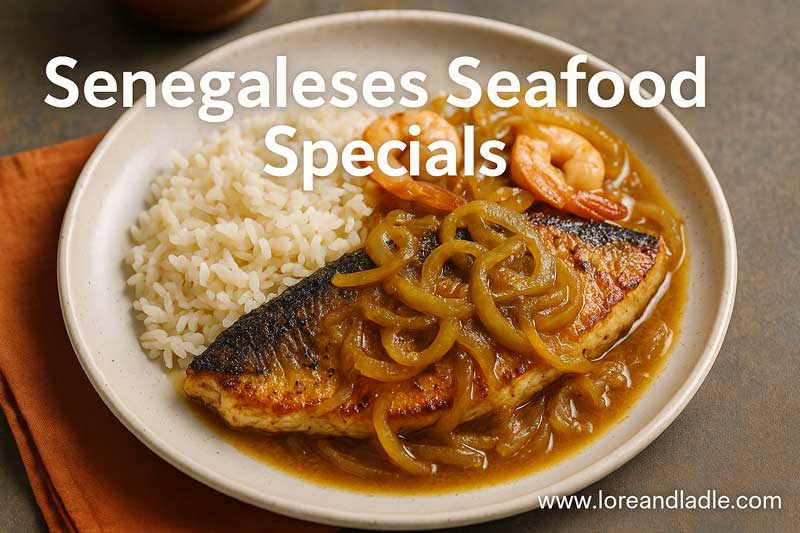
Achieving restaurant-style pan-seared fish at Home starts with a careful crust. A hot pan, a light touch with oil, and a brief, confident sear deliver color and texture without overcooking. Then, the Thieboudienne flavors are woven in with a tomato-onion base that braises gently, creating a sauce that glazes the rice and complements the fish. The trick is to finish with a quick simmer that concentrates the sauce while the fish rests, letting the flavors mingle. This approach makes restaurant-quality taste possible in a home kitchen without specialized equipment. The rice should be prepared with a touch of stock or broth to pick up the sauce’s savoriness, and a final spooning of the aromatic sauce over the plated fish creates a cohesive, inviting plate. In practice, you’ll see how technique supports flavor, turning a simple supper into a memorable experience.
Cultural Value: Hospitality, Craft, and Shared Table
Culturally, this dish embodies hospitality and careful craft. It honors the connection between land and sea, highlighting fresh seafood and garden herbs as everyday treasures. The approach—layering a vivid sauce with a perfectly seared fish and a bed of fragrant rice—reflects a heritage of culinary storytelling. Each bite invites you to slow down, observe the balance of textures, and appreciate the skill that goes into timing, heat control, and seasoning. The dish also demonstrates how regional flavors can be adapted for home cooks without losing their identity. That adaptability is part of its cultural value: a bridge from restaurant technique to family meals, enabling more people to experience a refined plate in daily life. The overall effect is a celebration of food as a unifying craft that brings people together around the table.
Pairings, Garnishes, and Serving Traditions
Serve this dish with fresh citrus wedges or a light herb garnish to lift the brightness. A simple cucumber-tomato salad or a crisp green vegetable side can provide contrast in texture and color. When plating, consider placing a neat crown of rice on the plate, topping it with the fish, and ladling the flavorful tomato sauce over both. This presentation emphasizes harmony and balance, inviting diners to savor the sauce’s acidity and the fish’s tenderness in every bite. For beverages, a light, citrusy white wine or an herb-infused sparkling water complements the dish without overpowering its subtleties. The serving ritual—sharing a well-composed plate with care—reinforces the cultural value of hospitality and thoughtful cooking.
The Place of This Dish in Food Culture
This dish holds a respected place in modern cooking because it respects tradition while inviting experimentation. It demonstrates how classic flavor profiles can be reimagined with accessible techniques, making a restaurant-lean plate approachable for home cooks. Its emphasis on fresh ingredients, balanced seasoning, and precise pan work offers a practical roadmap for culinary growth. By presenting Thieboudienne-inspired flavors in a simple, home-friendly format, the dish honors culinary heritage and encourages people to explore regional tastes with confidence.
Conclusion: A Delicious Journey Home
In the end, Restaurant-Style Pan-Seared Fish with Thieboudienne Flavors Made Simple for Home Cooks is more than a recipe. It is a celebration of taste, technique, and togetherness. It invites you to explore a coastal-inspired flavor world, savor the elegance of a well-seared fish, and enjoy the comforting, tomato-bright foundation of rice. With it, home cooks can create a restaurant-like experience that remains welcoming, respectful, and deeply satisfying. Embrace the process, notice the balance, and welcome the moment when a plate becomes a story shared around a table.