
Introduction: Better-Than-Takeout Curry Laksa Noodles You Can Make in Your Own Kitchen
Better-Than-Takeout Curry Laksa Noodles You Can Make in Your Own Kitchen is more than a recipe. It is a living expression of regional flavors that come together in a single bowl. In homes and markets, this dish speaks to a shared appreciation for balance, aroma, and texture. The broth gleams with warmth, the noodles invite a gentle chew, and the toppings offer brightness and depth. The dish teaches patience, technique, and respect for ingredients. Most of all, it invites cooks to slow down enough to savor aroma, color, and the story those elements tell. In every kitchen that adopts it, the laksa becomes a quiet celebration of culinary craft and cultural nourishment.
The Heart of the Flavor: Cultural Value and Culinary Significance
At its core, this curry laksa is a tapestry of ingredients that come together to create harmony. Coconut milk adds richness without heaviness, while curry paste introduces warmth and a bright, complex backbone. Lemongrass, garlic, turmeric, and chili deliver a lively perfume that lingers in the air. Kaffir lime leaves or lime zest bring citrus brightness, and fresh herbs finish the bowl with a lift that feels almost ceremonial. The broth’s balance—spice, fat, sour tang, and a touch of sweetness—mirrors a broader culinary ethic: a dish should excite the senses without overwhelming them.
Culturally, the laksa speaks to resourceful flavor-building in everyday cooking. It values techniques such as toasting spices for depth, grinding aromatics to release their essential oils, and simmering a stock long enough to soften the bite of raw ingredients. These methods are passed down in families and neighborhood kitchens, where each cook adds their own touch while honoring tradition. The dish also highlights local produce and pantry staples, connecting cooks with seasonal flavors and regional availability. When served, it becomes a moment of shared appreciation for how ingredients can collaborate across time and place.
Craft and Technique: Bringing Flavor Home
The beauty of this dish rests in accessible, repeatable techniques that a home cook can master. Start by warming spices to release their fragrance, then blend them with aromatics to form a fragrant paste. This paste is the heart of the flavor, slow-simmered with coconut milk or a light broth to coax out sweetness and depth. The noodles are a crucial partner; their bite should balance the silkiness of the broth. Finally, the toppings—such as shrimp, sliced chicken, fish cakes, bean sprouts, and fresh herbs—add texture and brightness, making each mouthful a new texture to discover.
In the home kitchen, precision matters, but so does intuition. Taste as you go, adjust with a touch of lime juice or a splash of fish sauce to highlight brightness or rounds of sweetness. The process invites careful attention: simmer time, balance of fats, and the moment when the broth registers as both comforting and exciting. This is how a dish born in regional kitchens becomes a reliable weeknight favorite that still feels festive enough for guests.
Ingredients as Story: Coconut Milk, Curry Paste, and Fresh Herbs
Each component of the dish carries its own cultural storytelling. Coconut milk offers creamy richness that resonates across tropical cuisines, signaling a shared memory of sunny markets and open-air kitchens. Curry paste—whether purchased or home-made—binds a spectrum of spices into a unified, comforting warmth. The choice of paste, its heat level, and the herbs tucked into it can reflect family preferences or regional taste profiles.
Bright elements, like lime juice or preserved lime, counterbalance richness with a clean acidity that lifts the entire bowl. Fresh herbs, such as cilantro or Thai basil, add a vibrant green note and a fragrant finish. Vegetables and proteins—think bean sprouts for crunch, cucumber ribbons for coolness, shrimp or chicken for protein—offer color contrasts that make the dish visually appealing as well as delicious. The result is a bowl that feels both familiar and exciting, a dish that invites cooks to explore flavor layers without losing their sense of place.
Regional Variations and Shared Table Traditions
No single recipe captures every nuance of curry laksa, and that is part of its cultural value. In different regions, cooks adapt the broth, paste, and toppings to reflect local tastes and seasonal ingredients. A thicker, creamier broth may appear in some versions, while others favor a lighter, more aromatic finish. The choice of toppings often reveals local pantry staples or favorite seafood and vegetables. These variations are a testament to flexibility and community, showing how a dish can travel across landscapes while remaining rooted in a common culinary language.
Served at the table, laksa becomes a unifying ritual. Diners squeeze in lime, sprinkle herbs, and adjust heat to their liking. This interactive experience strengthens the sense of hospitality and togetherness that food often inspires. The dish celebrates shared meals, where families, friends, and neighbors come together to enjoy a bowl that is both comforting and expressive. In this way, curry laksa stands as a bright thread in the fabric of everyday food culture.
The Experience of Serving: A Ritual of Fresh Sauce and Textures
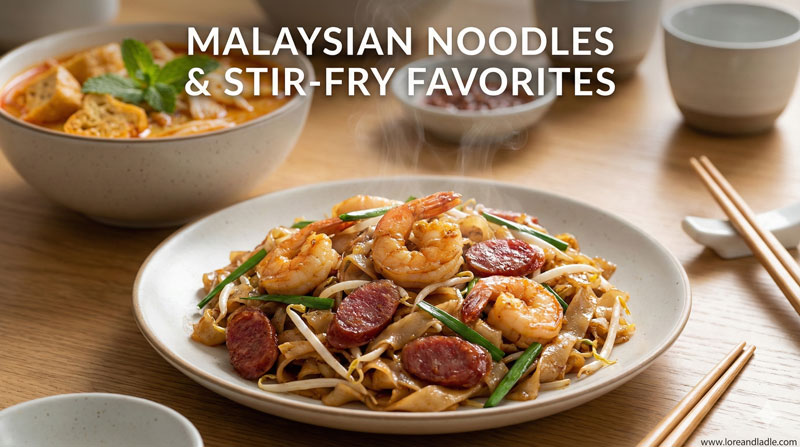
Presenting a bowl of curry laksa is a small ritual in itself. The broth gleams with a sheen of coconut oil and spice, while noodles coil invitingly beneath a colorful crown of toppings. The aroma—warm, slightly sweet, and peppery—invites conversation and curiosity. As napkins unfold and spoons echo softly against bowls, the act of serving becomes an expression of care and hospitality. This moment is not hurried; it asks for a pause to notice aroma, color, and texture.
The tactile experience matters as well. The balance between a tender noodle and a crisp bean sprout, or between a slice of chicken and a plump shrimp, creates a dynamic mouthfeel that keeps the meal engaging. The practice of layering flavors—broth, paste, and toppings—helps reinforce a cultural appreciation for multi-dimensional cooking. In this sense, every bowl is a small, mindful celebration of technique, ingredients, and table-sharing.
Accessibility and Home Cooking: Making Culture Practical
The dish is especially welcoming to Home Cooks, because the core ideas translate across skill levels. Beginners can start with a simple curry paste and a straightforward coconut-mow broth, gradually building complexity as confidence grows. More experienced cooks can elevate the recipe by grinding their own spices, toasting them longer for deeper notes, or customizing the paste with regional peppers and herbs. Either path preserves the cultural value: honoring flavor-building technique while keeping the dish approachable for daily cooking.
Store-bought curry paste can be a practical bridge to a richer home version, provided it is balanced with fresh aromatics and careful seasoning. Fresh herbs, lime, and crisp vegetables brighten the dish and emphasize its celebratory nature. The accessibility of this curry laksa allows many households to engage deeply with a traditional flavor profile without needing specialized equipment or rare ingredients. In this way, the dish becomes an everyday ambassador for culinary curiosity and skill-building.
Conclusion: A Living Kitchen Tradition
Better-Than-Takeout Curry Laksa Noodles You Can Make in Your Own Kitchen embodies a living tradition in which flavor, technique, and hospitality intersect. It invites cooks to explore fragrant pastes, silky broths, and the joyful contrast of textures. It reminds us that a home kitchen can hold the same warmth and energy often found in bustling markets and neighborhood stalls. By embracing the dish, cooks contribute to a culture that values craft, seasonality, and shared meals. The result is not just a bowl of noodles, but a small, meaningful celebration of food as care, culture, and community. If you are curious about flavor, texture, and tradition, this curry laksa welcomes you to the table with openness and respect.