
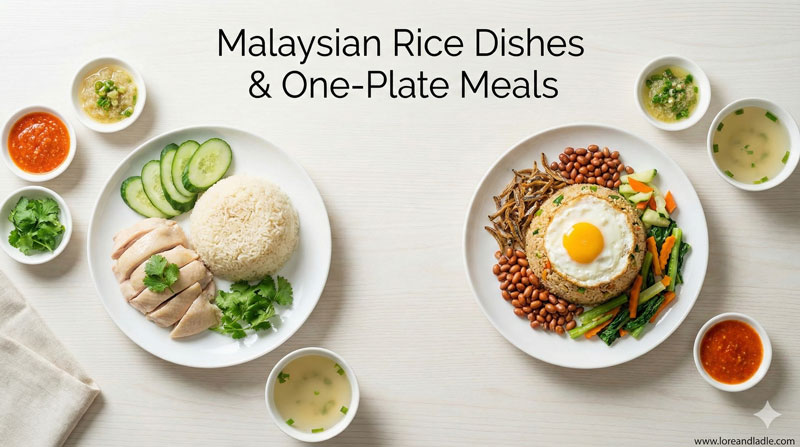
Better-Than-Takeout Nasi Lemak You Can Make in Your Own Kitchen invites you to discover a dish that is both comforting and richly expressive. This is a meal that speaks through aroma, texture, and balance. It is a celebration of everyday cooking that honors family, friends, and shared tables. In this post, we explore its cultural value and culinary significance with warmth and clarity.
A Beloved Staple in the Home and at the Stall
Nasi lemak appears in many kitchens and at many stalls, from quiet neighborhood mornings to festive gatherings. It is a dish that travels easily from casual breakfast to a hearty lunch, always greeting you with a welcoming plate. Its appeal lies in accessibility and variety: simple ingredients become something distinctive when combined with care. The dish invites cooks to honor tradition while making it their own, a hallmark of a living food culture.
Aromas that Tell a Story
The heart of nasi lemak rests in its aroma. Coconut milk infused rice releases a gentle sweetness, and pandan leaves add a floral note that whispers of home and comfort. Frying onions, garlic, and spices builds a warm base for the sambal, the bright, spicy core of the dish. Crunchy toasted peanuts and crisp ikan bilis bring texture and a savory counterpoint. Fresh cucumber slices offer a refreshing balance. Together, these elements create an edible story about place, season, and careful technique.
Crafting Balance: The Culinary Philosophy
Nasi lemak is defined by balance. The creamy richness of the rice must harmonize with the heat and brightness of the sambal. Salt and sweetness play their parts, while a touch of sourness can lift flavors. This equilibrium mirrors a broader culinary approach that values restraint and precision. Every component has a role, and every bite reveals how contrasts can coexist gracefully in a single dish.
Making It at Home: A Ritual of Care
Creating nasi lemak in your own kitchen is more than cooking; it is a mindful practice. Rinse the rice, simmer it with coconut milk and a hint of pandan, and let the aroma guide your pace. The sambal simmers slowly, allowing depth to develop and sweetness to mellow. Frying toppings to a crisp adds texture, and a quick boil of eggs completes the plate. This careful process emphasizes hospitality—taking time to prepare with intention and to share with others.
Diversity in Presentation and Taste
Different households bring their own touches to nasi lemak. Some prefer extra fried onions on top, others add sliced hard-boiled eggs with a dash of soy. Regional preferences influence the heat level, the strength of the sambal, and the size of the serving. Yet throughout these variations, the dish remains a common language of comfort, generosity, and culinary curiosity. It is easy to see how small adaptations can reflect personal history and family traditions.
A Dish of Shared Pleasure
Nasi lemak is best enjoyed with others. It invites conversation about flavors, textures, and memories. Serving it emphasizes hospitality and care, where everyone is welcome to savor a thoughtfully prepared plate. The dish’s beauty lies in its ability to be both simple and sophisticated, a testament to how everyday cooking can elevate ordinary moments into something meaningful.
Keeping Tradition Alive in a Modern Kitchen
In today’s kitchens, nasi lemak continues to evolve while staying rooted in its core values: aroma, balance, and generosity. The dish adapts to different tastes without losing its essence. By making it at Home, you participate in a living culinary tradition—one that values skill, patience, and shared meals. This is what makes Better-Than-Takeout Nasi Lemak You Can Make in Your Own Kitchen a bridge between memory and innovation, a delicious reminder of culture expressed through cooking.