
A Warm Welcome to Better-Than-Takeout Nasi Lemak You Can Make in Your Own Kitchen
This dish invites you to slow down and savor balance. Better-Than-Takeout Nasi Lemak You Can Make in Your Own Kitchen centers on aroma, texture, and shared joy. It celebrates how simple ingredients come together to create something comforting, bright, and memorable. In your kitchen, you can reveal the same warmth you find in a bustling morning stall, with flavors that speak clearly and beautifully.
The Core of the Dish: Coconut Rice and Sambal
Coconut rice forms the heart of the plate. The milk adds creaminess, while the rice stays fluffy and translucent. The aroma carries hints of sweetness and depth. Pair this with sambal, a bright, spicy relish. A good sambal wakes the palate with a clean heat, a touch of sweetness, and a tangy lift. Together, the coconut rice and sambal create a harmony that anchors every bite. The technique is simple, but steady heat and careful timing unlocks the full fragrance and flavor.
Textures and Tastes: The Essential Accompaniments
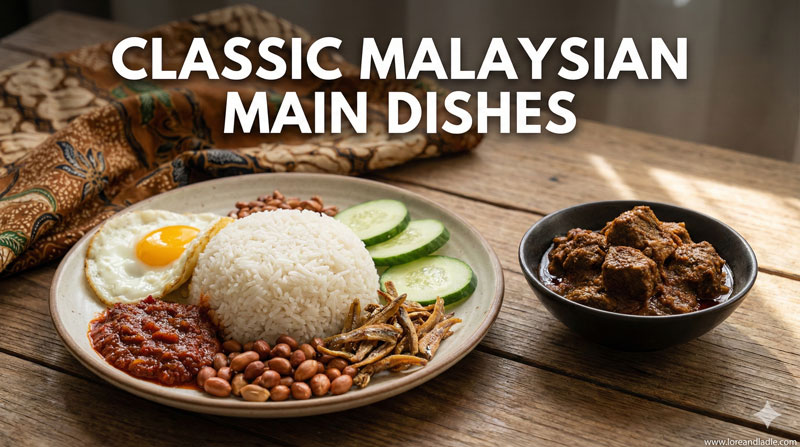
A nasi lemak plate shines when textures join the scene. Typical accompaniments include crispy fried ikan bilis (small anchovies), crunchy roasted peanuts, cool cucumber slices, and a softly cooked boiled egg. Some lovers add fried chicken or marinated tempeh for a heartier bite. Each element adds a distinct texture: crispness, creaminess, crunch, and coolness. The result is a plate that feels complete and satisfying, inviting you to explore contrasts with every mouthful.
The Role of Aroma and Technique
Aromatic elements elevate the dish. Toasting garlic, shallots, and chilies intensifies their sweetness and brightness. Grinding or finely chopping these aromatics releases oils that perfume the kitchen. Simmering the coconut milk with a pinch of salt yields a gentle, rounded base. When you combine the simmered rice with the sambal, the kitchen fills with a lasting fragrance that signals comfort and nourishment. The care you invest in timing—when to fold in ingredients, how long to steam the rice, how long to fry the ikan bilis—transforms a simple meal into a memorable experience.
Cultural Ties: Shared Tables and Everyday Moments
Nasi lemak is more than a dish; it is a staple that gathers people around the table. It appears in early breakfasts, leisurely weekend meals, and casual gatherings. The plate invites conversation, sharing, and appreciation for balance. Across homes and eateries, regional twists appear: a touch more tang in the sambal, a variation in the toppings, or a different cut of chicken. Yet the core idea stays the same—a fragrant, satisfying plate that makes ordinary moments feel special. This universality is a testament to how food can reflect everyday life with grace and simplicity.
Practical Steps for Home C chefs: Making It Your Way
- Start with coconut rice: rinse the rice, then cook with coconut milk, a little water, and salt until the grains are tender and separate.
- Simmer sambal slowly: blend or finely chop chilies, onions, and garlic; sauté in oil with a splash of sugar and a touch of lime or tamarind for brightness.
- Prepare toppings: fry ikan bilis until crisp, toast peanuts, slice cucumber, and boil eggs to your preferred level of doneness.
- Assemble with care: a bed of coconut rice, a spoonful of sambal, and a line-up of toppings. Each bite should offer heat, harmony, and texture.
- Adjust to your taste: if you love more heat, add a little more sambal. If you prefer milder flavors, balance with extra coconut rice.
Craft and Care: Honoring the Dish in Your Kitchen
Attention to detail makes the difference. The order in which you layer flavors matters. The timing of frying keeps textures lively. The way you slice cucumbers for freshness can elevate the whole plate. This is cooking that honors tradition while welcoming your unique touch. The result is a dish that feels both familiar and personal.
A Gentle Conclusion: The Beauty of Home Cooking
Better-Than-Takeout Nasi Lemak You Can Make in Your Own Kitchen offers a vivid look at how culture, craft, and care converge in a single plate. It invites you to celebrate aroma, balance, and texture in everyday cooking. By bringing this dish into the home, you keep a cherished tradition alive in a fresh, approachable form. Savor the fragrance, relish the contrasts, and share the moment with those you care about.