
Introduction
How to Make Authentic Banana Cue at Home in the U.S. opens a window into a simple, comforting treat. This blog post invites you to explore a snack that blends sweetness, warmth, and a touch of caramel together. It is a dish that feels familiar and inviting, ready to be shared with family and friends. You will discover the beauty of its flavor and texture, learn about its subtle charms, and hear ideas for enjoying it in everyday life. How to Make Authentic Banana Cue at Home in the U.S. is not about a single exact moment in time, but about a gentle, approachable way to bring a beloved bite into the kitchen.
Banana cue is a favorite in many kitchens and at casual gatherings. It rises from the idea of a ripe, sturdy fruit on a stick, fried to a crisp edge, and kissed with a warm glaze. The result is a bite that carries both quiet sweetness and a touch of savoriness from the frying itself. In homes across the United States, people of many backgrounds discover its simple joy. The dish invites you to slow down, watch the color deepen, and savor a small, satisfying moment. This post centers on the flavors, textures, and everyday traditions that accompany banana cue, while keeping the tone calm, balanced, and respectful.
What is Banana Cue?
Banana cue is a skewered snack made by pairing a firm banana or plantain with a light coating, then frying it until the exterior is crisp and the inside remains tender. A caramelized sugar glaze forms a glossy layer that clings to the fruit, giving a delicate crunch with each bite. The sweetness is rounded, not overpowering, and the fruit’s natural notes peek through. The result is a handheld treat that travels well from kitchen to plate, from table to picnic blanket, and from a small home kitchen to a cheerful crowd.
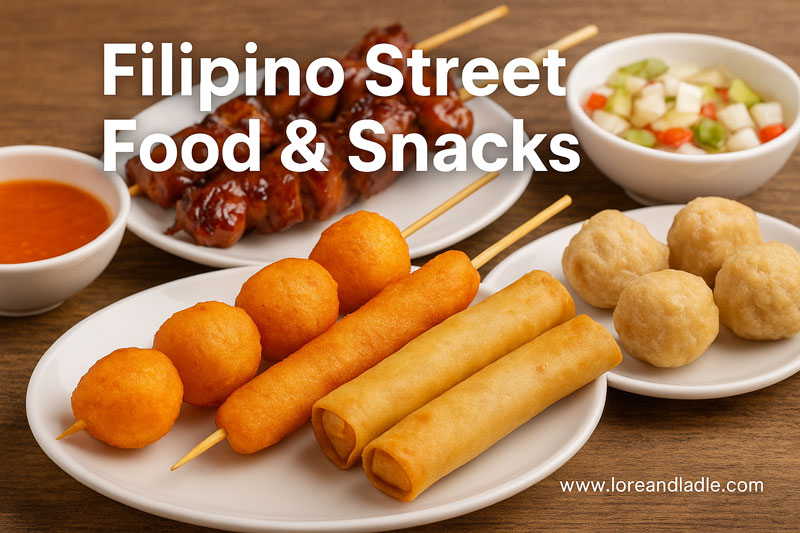
In many places, banana cue appears as street-side comfort food—the kind of snack that brings a quick smile between tasks or after a long day. Yet its appeal is not limited to busy streets. Families often prepare versions of it at home for Weekend brunches, after-school rituals, or simple, quiet evenings when a small dessert feels just right. The dish is adaptable and forgiving, inviting cooks to experiment with fruit ripeness, coating textures, and serving ideas without losing its core character.
Flavor, Texture, and Key Characteristics
The signature flavor of banana cue centers on a gentle sweetness that deepens as the sugar caramelizes. The banana or plantain lends a mild fruitiness, complemented by a crisp outer layer and a soft, velvety interior. The glaze brings a subtle edge of caramel, and sometimes a touch of vanilla, cinnamon, or salt can enhance the balance. The color—golden-brown with a glossy sheen—signals the crisp exterior and the inviting interior inside.
Texture plays a central role. The first contact is a crisp crackle from the fried shell, followed by a soft, yielding bite that reveals the fruit’s natural moisture. The sugar coating offers a light stickiness that clings to the fingers, inviting a light nibble before the next bite. The overall sensation is warm and comforting, with a contrast that keeps the experience engaging from start to finish.
Key characteristics to note include:
– A sturdy, holdable piece of fruit on a skewer.
– A light, even coating that caramelizes into a glossy glaze.
– A balance of sweet fruit flavors and the crisp exterior from frying.
– A aroma that carries hints of caramel and toasty sugar.
– A finish that leaves a gentle sweetness with little aftertaste or heaviness.
Cultural Value and Traditions
Banana cue carries a sense of everyday celebration. It shows up in many homes as a quick, joyful treat, a small reward after chores, or a friendly addition to family meals. The dish embodies warmth, sharing, and the pleasure of a snack that is easy to prepare yet deeply satisfying. It complements a casual day, a quiet afternoon, or a lively gathering where people linger over conversation and good food.
As a familiar fixture, banana cue supports moments of connection. A plate on the table invites conversation, while the skewer becomes a handing-off moment—one person offers a bite, another accepts, and a small exchange unfolds. The dish often accompanies simple rituals, such as a weekend family gathering, a festival booth, or a cheerful picnic at a park. Its uncomplicated nature makes it a comfortable choice for cooks of many levels, from beginners to seasoned home chefs.
How to Make Authentic Banana Cue at Home in the U.S. also highlights how adaptable this snack can be. Slices can be prepared to fit various appetites or occasions, and the approach invites gentle customization. You might pair it with a partner dessert, offer an assortment at a lunch gathering, or simply enjoy a solo treat with a cup of tea. The beauty of the dish lies in its simple ingredients, reliable texture, and the happy, uncomplicated mood it creates.
Occasions and Ways to Enjoy
This snack shines in many settings. At home, a plate of banana cue can brighten a weekend afternoon, a study break, or a cozy movie night. It makes a friendly, easy offering when guests arrive, a warm companion to coffee or milk, and a pleasant finish to a casual dinner. In community settings, you may find the dish at fairs, markets, or school events where people share a bite and savor a familiar flavor.
Banana cue also lends itself to pairing ideas that fit various moments. For a simple pairing, a warm bite goes well with a cup of tea or a glass of cold milk. For a more festive touch, you can present it with a light dusting of cinnamon or a drizzle of a complementary sauce on the side. Some people enjoy it with a scoop of vanilla ice cream, which creates a pleasing contrast between the hot, crisp exterior and the cold, creamy center. The dish can serve as a dessert component or a casual snack, depending on the setting and mood.
If you are planning gatherings, consider offering banana cue as part of a small snack station. A few skewers arranged neatly, alongside other fruits or fried treats, encourage guests to sample and share. The goal is to create an inviting, relaxed atmosphere where the flavors take center stage without complexity. How to Make Authentic Banana Cue at Home in the U.S. can help you envision a cozy, approachable way to present this treat to friends and family.
How to Make Authentic Banana Cue at Home in the U.S.
How to Make Authentic Banana Cue at Home in the U.S. centers on a straightforward idea: fruit on a stick, fried to a gentle crisp, and coated with a caramel-sugar glaze. In practice, you choose ripe but firm fruit, prepare a simple coating or no coating at all, and then fry until the exterior is crisp and the fruit inside remains tender. The glaze comes from sugar that melts and browns, creating a glossy layer that seals in moisture and adds a touch of sweetness.
In this approach, you think about three core elements: the fruit, the coating or absence of one, and the finishing glaze. The fruit should hold its shape through frying, while maintaining a natural sweetness. A light coating helps the outer texture keep its form, but a bare fruit can work well too, letting the fruit’s own sugars take center stage. The glaze or caramelization provides a shimmering, slightly sticky finish that invites a satisfying bite. This framing keeps the process accessible and adaptable to what you have on hand in the U.S. kitchen.
High-level recipe ideas for How to Make Authentic Banana Cue at Home in the U.S. include:
– Using firm bananas or plantains, skewered and fried until the outside is crisp and the inside stays soft.
– A simple glaze made from sugar that caramelizes to a glossy surface, with optional hints of vanilla, salt, or cinnamon.
– Variations that add a light dusting of toasted sesame seeds or shredded coconut for extra texture.
– A pairing concept that invites a small scoop of ice cream or a dollop of whipped cream on the side for a comforting contrast.
– A finish that keeps the treat approachable, avoiding heavy toppings while preserving the core sweet fruit flavor.
These ideas offer a practical framework for How to Make Authentic Banana Cue at Home in the U.S. without requiring specialized equipment or step-by-step precision. They emphasize flavor balance, texture, and a calm, inviting presentation that suits many kitchen setups.
Variations and Creative Twists (High-Level Ideas)
If you enjoy exploring flavors, consider these ideas in a broad, non-technical way:
– Coconut touch: a light sprinkle of toasted coconut or a gentle coating with coconut milk before frying for a subtle tropical note.
– Spice hint: a pinch of cinnamon or nutmeg in the glaze to evoke warmth without overpowering the banana flavor.
– Sesame crunch: a light sesame seed dusting or a sesame glaze that adds a gentle, nutty aroma.
– Chocolate companion: a passing drizzle of melted chocolate on the plate, paired with the warm, crisp fruit for a small dessert twist.
– Creamy balance: serve with a small scoop of vanilla or caramel ice cream to contrast the warm, crisp bite.
These variations stay true to the simple roots of banana cue while offering gentle ways to suit different tastes and occasions.
Practical Tips for Home Kitchen
To help you enjoy banana cue at home in a relaxed, confident way, consider these practical tips:
– Choose fruit that is firm enough to hold its shape during cooking, with a touch of sweetness but not overly ripe.
– Pat fruit dry before any preparation to reduce excess moisture and help achieve a crisper exterior.
– Use a modest amount of oil and moderate heat to allow the fruit to cook evenly without burning.
– Keep the surface of the glaze or sugar smooth to maintain a glossy, even finish.
– Serve while warm to maximize aroma and texture, and offer a simple accompaniment like a light dusting of sugar or a tiny side dip if you like.
– Adjust sweetness and spice to your taste, keeping the core flavors intact so the fruit remains the star.
These tips help ensure you can prepare the dish with confidence, even if you are new to frying or working with fruit on a stick. The key is balance and patience, letting the natural flavors shine through.
A Few Final Thoughts
Banana cue is a gentle, flavorful snack that travels well from a busy kitchen to a relaxed table. It brings a sense of comfort without demanding complexity. The dish invites sharing, conversation, and a moment of quiet enjoyment as you bite into a warm, crisp piece. How to Make Authentic Banana Cue at Home in the U.S. emphasizes accessible technique and flexible approaches, letting cooks adapt to what they have on hand while preserving the dish’s core charm.
If you cradle this snack in your daily routine, you create a small tradition that fits easily into many moments. You may find joy in the simple ritual of selecting fruit, choosing a light glaze, and watching the color deepen as the sugar caramelizes. The result is a delicate balance of flavors and textures that remains friendly to most palates. The dish does not demand grand occasions to shine; it thrives in ordinary days, making ordinary moments a little brighter.
Closing Invitation
Thank you for exploring banana cue with care and curiosity. How to Make Authentic Banana Cue at Home in the U.S. is about appreciating a classic treat that brings people together in warm, uncomplicated ways. May your kitchen feel welcoming as you consider the simple steps, high-level ideas, and playful variations described here. Whether you share a plate with a neighbor, enjoy a quiet night at home, or present a small snack to guests, banana cue offers a soft, reassuring sweetness and a texture that invites another bite. The dish holds a gentle beauty that makes it easy to return to again and again, in any season and in any kitchen.