
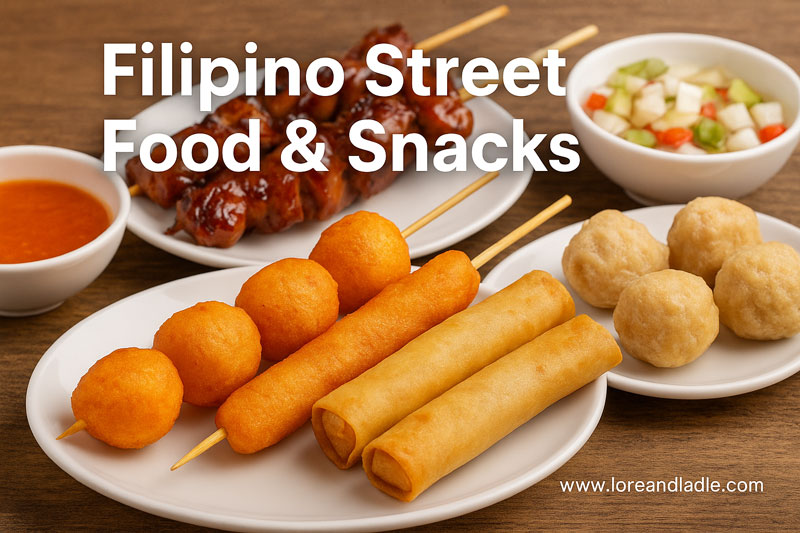
How to Make Authentic Filipino Empanada at Home in the U.S.
This dish shines in homes across the Philippines and has a warm welcome in kitchens in the United States as well. How to Make Authentic Filipino Empanada at Home in the U.S. is not just about a snack; it is about a moment of comfort, a moment of sharing, and a moment of color in the kitchen. The empanada brings together bright aroma, bold flavor, and a satisfying texture in every bite. In this post, you will find high-level ideas that honor the dish while fitting into a home kitchen in the U.S. No matter your skill level, you can approach this classic with curiosity and care.
Flavor and Texture: The Heartbeat of the Empanada
Filipino empanadas offer a balance you will notice from the first bite. The outside shell is crisp and light, with a gentle sheen from a touch of oil. Inside, the filling is tender and juicy, often carrying a savory backbone—meat or vegetables—paired with potatoes, carrots, and green peas for color and texture. A hint of garlic and onion adds warmth, while annatto oil or seeds provide a delicate orange hue that signals aroma and flavor. The texture is a dance between crackly crust and a moist, flavorful center. This combination makes it a snack that feels substantial yet easy to share.
How to Make Authentic Filipino Empanada at Home in the U.S. is all about preserving that contrast. You will notice how the crust yields to a gentle bite, how the filling remains moist and well seasoned, and how the aroma lingers invitingly. When you serve them warm, the experience becomes social—people gather, talk, and enjoy the comforting sizzle in the pan or the satisfying crack of the crust.
Key Characteristics That Define the Dish
There are a few steady traits that mark A Filipino empanada. First, the crust is flexible enough to encase a generous filling, yet sturdy enough to travel well. Second, the color often glows with a warm amber or orange tone, thanks to an annatto-based color and oil. Third, the filling can vary, but it typically contains a mix of protein or vegetables with diced potatoes and carrots. Fourth, the empanada is highly portable, making it ideal for snacks, school lunches, and friendly gatherings. Finally, you can bake or fry the pastries, each method offering its own texture and aroma while preserving the essential balance of crust and filling. These characteristics create a dish that feels both familiar and special, ready for everyday meals or festive occasions.
A High-Level Dough Concept
The dough forms the first impression of the empanada. It is built to be tender yet resilient. In simple terms, the dough combines flour, a little fat or oil, water or broth, and a pinch of salt. Some cooks add a touch of annatto oil or mashed annatto seeds to give that characteristic warm color. The goal is a pliable dough that folds easily around the filling and holds up to frying or baking. It should not be too dry or too sticky. The dough can be adjusted to suit different kitchens and preferences, from a softer wrap to a firmer shell. In the U.S. kitchen, you may find different flour blends or shortcuts, and each choice can still yield a delicious, well-formed empanada with careful handling.
Filling Ideas: Classic and Creative
Filling ideas form the soul of the empanada. Here are high-level concepts that work well and play nicely with the dough:
- Classic pork with potatoes and carrots: a savory mix that feels hearty and homey.
- Chicken with peas and peppers: a lighter, bright option with a gentle sweetness from peas.
- Shrimp or seafood with vegetables: a fresh alternative that still stays savory and satisfying.
- Mushroom or mixed vegetables for a vegetarian approach: full of texture and umami with the right seasonings.
- A small, savory egg and meat blend: a traditional touch that adds richness.
- Sweet variations (for dessert-style empanadas): ripe fruit or coconut with a touch of sugar and a hint of spice.
In every filling idea, the key is balance. Salt supports the flavors, a little sweetness can brighten the mix, and the vegetables add texture. You can tailor fillings to what you enjoy and what’s available in your local market in the U.S., keeping the spirit of the dish intact.
Cooking Methods: Frying, Baking, and Pan-Frying
Empanadas can be cooked in several ways, each with its own character. Frying yields a deeply crisp crust and a rich aroma, with a satisfying crack when you bite in. Baking produces a lighter, more uniform crust that feels cleaner on the palate, while still delivering a pleasant crunch when hot. Pan-frying offers a balance between the two, often producing a well-sealed crust with a slight sear on parts of the surface. In How to Make Authentic Filipino Empanada at Home in the U.S., you’ll find that the method you choose can fit your time, equipment, and dietary preferences. Regardless of the method, the goal remains: a golden shell that nicely encases a flavorful, juicy filling.
Occasions to Share Empanadas
This dish fits many moments. It makes a welcoming addition to family meals, Weekend Gatherings, and casual parties. It travels well for picnics or potlucks, and it can be a fun feature at school events or community gatherings. When you bake or fry a batch, the aroma fills the room and invites people to taste and talk. The empanada often serves as a bridge between meals, a between-snack that satisfies without being heavy. It is ideal for sharing with neighbors, friends, and loved ones, turning a simple bite into a small celebration.
Enjoyment: Dips, Sauces, and Pairings
A supporting cast of dips and sides helps elevate the empanada. A light, tangy vinegar-based dip with chili can cut through the richness and brighten the flavors. A creamy garlic mayo or a simple tomato-based sauce can add smoothness and lift the filling notes. Fresh herbs, like chopped scallions or cilantro, can provide a bright finish. Pairing with a hot cup of tea or a cool beverage can balance the warmth of the dish. These pairings are flexible and inviting, designed to complement the textures and flavors rather than overpower them.
Getting the Right Ingredients in the U.S.
In the United States, markets carry many of the staples needed for empanadas. You can find all-purpose flour or bread flour, a selection of fats or oils, and the common vegetables like potatoes, carrots, and peas. For color and aroma, annatto oil or annatto seeds are widely available in specialty aisles or online. Ground pork, chicken, or shrimp can be sourced fresh or frozen. If you enjoy a longer shelf life, you can explore pre-made pastry dough options, though many cooks prefer a traditional dough for the best texture. Achieving the best results often comes from choosing fresh ingredients and letting the flavors guide the filling and seasoning. In addition, you may find local twists that reflect regional tastes in the U.S., and those twists can inspire new variations while keeping the essence of the dish intact.
Non-Political Traditions Around the Table
Non-political traditions enrich the experience of making and sharing empanadas. Families often involve children in filling and shaping the pastries, turning the activity into a quiet lesson about ingredients, teamwork, and patience. Friends may gather for a hands-on cooking session, trading tips and stories while the kitchen fills with aroma. Neighbors may drop by with a favorite sauce or a bag of fresh greens to complement the meal. The act of sharing empanadas becomes a simple ritual—a small but meaningful way to celebrate ordinary days and create a sense of warmth and belonging. In this spirit, How to Make Authentic Filipino Empanada at Home in the U.S. becomes more than a recipe; it is a shared moment of care and connection.
How to Make Authentic Filipino Empanada at Home in the U.S.
How to Make Authentic Filipino Empanada at Home in the U.S. can be viewed as a practical guide to a cherished dish. The emphasis is on high-level planning, balance, and enjoyment rather than step-by-step instructions. Start with a flexible dough concept and a filling idea that matches your pantry. Consider how you will cook the empanadas, whether you prefer the crispness of frying, the cleanliness of baking, or the speed of pan-frying. Remember to keep the flavors rounded and approachable, so your version remains tasty for a wide audience. You can adapt the dish to suit your time, equipment, and taste, while preserving the heart of the traditional experience.
Closing Thoughts: Embracing a Bright, Simple Favorite
Every bite of an empanada tells a small story of flavor, texture, and shared moments. The dish invites cooks to be thoughtful with ingredients, to honor balance, and to celebrate everyday meals with a touch of warmth. In homes across the U.S., How to Make Authentic Filipino Empanada at Home in the U.S. offers a pathway to create something flavorful and comforting without overcomplicating the process. The result is a portable, satisfying snack that can be enjoyed any time—lunchtime, afternoon bites, or after-school treats—always with friends and family nearby. May your kitchen be filled with color, aroma, and the simple joy of cooking together.