
The Hook
On a rainy afternoon, the kitchen fills with a warm, bright scent as a pot simmers gently. A wooden spoon rests in the broth, and the steam blurs the window just enough to feel cozy. How to Make Authentic Sinigang na Baboy at Home for U.S. home cooks becomes a small ritual here: a choice of meat, a few vegetables, a bright sour note, and a moment to breathe before a meal with family or friends. The dish invites a smile as the pork becomes tender and the broth shines with tangy depth. It is comfort that tastes like home.
The Trust Indicator
- Jump to Recipe: How to Make Authentic Sinigang na Baboy at Home for U.S. home cooks centers on a sour, savory broth built from pork and tamarind. The core idea is simple: create a bright, balancing broth, add tender pork, drop in fresh vegetables, and finish with a splash of fish sauce and a touch of sweetness if needed.
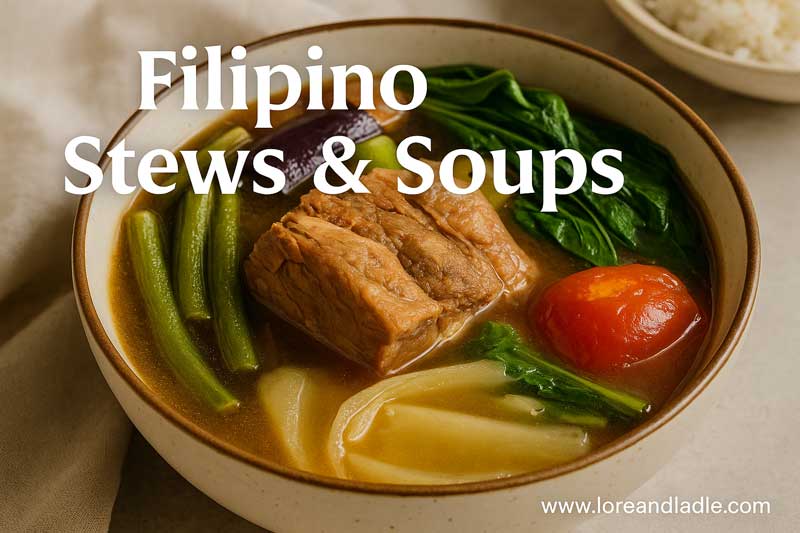
- Key ingredients you typically find: pork (belly or shoulder), tamarind or a tamarind-based souring agent, onions, tomatoes, daikon radish, greens (such as spinach or mustard greens), eggplant or okra, and a little fish sauce.
- Quick overview of the method: simmer the pork to flavor the broth, introduce aromatics, balance the sourness with a gentle amount of seasoning, add vegetables so they retain texture, and serve hot with rice. This guide keeps the steps high level, so you can adapt to what you have on hand in your kitchen.
- Settings and serving: it shines at family meals, weeknights when you want warmth, and any time you wish to share a bright, comforting bowl. How to Make Authentic Sinigang na Baboy at Home for U.S. home cooks stays flexible enough to fit a calm dinner or a festive potluck.
The Deep Dive
Sinigang na baboy is one of the most inviting soups in Filipino cooking. The broth starts tart and clear, then gains body and warmth as pork releases its sweetness. Each sip carries a clean sour note that balances savoriness, letting the pork’s tenderness and the vegetables’ crisp bite come forward. The texture is a key character: meat that falls apart softly, vegetables that hold their shape, and broth that glides across the palate with a bright acidity. This is not a heavy stew; it is a bright, refreshing soup that feels at once sturdy and uplifting.
In many homes, the dish centers around simple routines. A pot simmers on the stove, and a family member cuts daikon or eggplant while another arranges bowls and rice. The sourness comes from tamarind, which gives a citrusy brightness that anchors the dish without overpowering the pork’s savory depth. If tamarind isn’t on hand, cooks might use a tamarind-based mix or a lime-like fruit available locally, keeping the spirit of the dish intact. In every variation, the flavors rise together: the tang from the souring agent, the saltiness from fish sauce, the sweetness from the pork, and the freshness of greens in the final moments.
The dish finds a home in daily life as well as special occasions. It suits quiet weeknights when a family wants something comforting yet bright. It also fits gatherings where friends share a pot of steaming soup and rice around a low table. The experience centers on balance: the sourness should lift the palate, the pork should feel tender, and the vegetables should offer a light snap. This balance is a key characteristic of How to Make Authentic Sinigang na Baboy at Home for U.S. home cooks, guiding cooks to adjust brightness and savor to taste while preserving the dish’s signature spirit.
Traditional accompaniments are simple: plain steamed rice to sop up the broth, a side of fish sauce for dipping, and sometimes a small plate of chili or fresh herbs for added aroma. The dish also showcases a sense of seasonality. As vegetables come into season, their flavors shift, keeping the dish lively through the year. People enjoy it with a sense of calm and satisfaction, appreciating how a single pot can capture a day’s routine, a family’s tastes, and a feeling of nourishment in one bright bowl.
The cultural value lies in its accessibility and its ability to adapt. How to Make Authentic Sinigang na Baboy at Home for U.S. home cooks invites cooks to think about ingredients they recognize, then tweak the balance to their own pantry. It celebrates the idea that a comforting, restaurant-like aroma can come from a simple, well-made broth. The dish also emphasizes sharing: a family sits together, passes the ladle, and makes room for conversation as the steam rises. It is a dish of warmth, shared practice, and everyday beauty.
Sinigang can vary by region and family preference, but the core experience remains constant: a sour, savory broth surrounding tender pork, bright vegetables, and a sense of welcome at the table. In this sense, How to Make Authentic Sinigang na Baboy at Home for U.S. home cooks becomes more than a recipe; it becomes a way to slow down, notice the flavors, and enjoy the moment of eating together.
The Recipe Card
Core ingredients:
– Pork: shoulder or belly, cut into suitable pieces
– Tamarind or tamarind-based souring agent (or a locally available sour fruit)
– Onions and tomatoes for the broth
– Vegetables: daikon radish, eggplant, okra, greens (such as spinach or mustard greens)
– Seasoning: fish sauce (patis), salt, optional a touch of sugar
– Rice for serving
– Optional garnishes: fresh chilies, lime or calamansi for an extra lift
High-level method:
– Simmer the pork with aromatics to create a fragrant base broth.
– Introduce the souring agent to achieve a bright, balanced tang.
– Add vegetables in stages to preserve texture and color.
– Adjust seasoning with fish sauce and salt; balance tartness with a gentle touch of sweetness if desired.
– Serve hot with steamed rice and, if you like, a small plate of chili or fresh herbs on the side.
How to Make Authentic Sinigang na Baboy at Home for U.S. home cooks, with these core elements, offers a comforting, flavorful soup that many households come back to again and again. The dish remains approachable, adaptable, and deeply satisfying, inviting cooks to savor both the process and the final, steaming bowl.