
Hook
How to Make Authentic Ube Halaya at Home to try This Year in the U.S. opens with a quiet moment in a sunlit kitchen. A pot hisses softly as milk warms and purple yam softens into velvet. The color blooms like a dawn ribbon, and a familiar sweetness fills the room. In daily life, this small ritual becomes a warm welcome for family, friends, and anyone who loves a gentle treat.
Jump to Recipe
How to Make Authentic Ube Halaya at Home to try this year in the U.S. is simple and comforting. The dish yields a creamy, jam-like paste that shines with a deep violet hue and a fragrant milk-and-butter aroma. It serves well as a dessert on its own, a topping for other sweets, or a filling for cakes and pastries. A quick glance at the core ideas below shows how approachable this treat can be for home cooks.
- Core idea: simmer and blend purple yam with milk and sweeteners until smooth and glossy, then finish with butter for shine and richness.
- Quick overview: the result is a versatile, velvety paste that cools into a sliceable, spreadable texture. It pairs beautifully with a touch of cheese on the side and works as a flavor foundation for other desserts.
The Deep Dive
Ube halaya, with its lush color and gentle sweetness, carries a sense of daily indulgence that many households cherish. The name itself signals a simple, thoughtful pleasure—a purple paste made from purple yam that invites slow tasting. The flavor sits between nutty, vanilla-y, and dairy-rich notes, with a hint of caramel from the cooking process. The texture is creamy and smooth, yet substantial enough to hold its shape when plated or scooped.
Color is a defining feature. The rich violet hue draws the eye and sparks curiosity, even before the first bite. The aroma is warm and comforting: milk, butter, and a touch of vanilla mingle with the natural sweetness of the ube. In the everyday kitchen, this combination feels like a small celebration—an invitation to pause, share a bite, and savor a moment together.
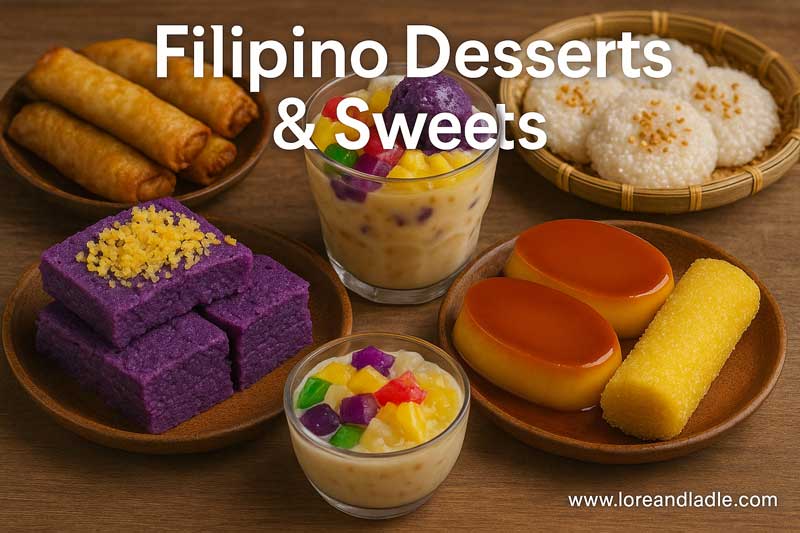
Key characteristics include a glossy finish, a thick but soft paste, and a sweetness that balances without overwhelming. The paste can be spooned onto a slice of bread, spread in a cake filling, or folded into a dessert bowl. It also acts as a versatile component in popular treats such as halo-halo, where a scoop adds color, texture, and a gentle sweetness to the mix.
Traditionally, people make ube halaya to accompany family meals and special gatherings. In many homes, it appears as a featured dessert during weekend treats, after-dinner favorites, and small celebrations. It is common to see it presented in shallow bowls or small jars, ready to be shared with friends and neighbors. Its everyday presence highlights how a single dish can connect ordinary life with moments of delight.
The dish also invites creative serving options. Some people enjoy it with a thin slice of white cheese, which contrasts the sweetness with a mild, salty note. Others fold a little into ice cream, swirl it into yogurt, or place a thin layer inside pastries and cakes. The result remains distinctly comforting, never flashy, and always approachable for cooks at any skill level.
Keeping things simple helps the dish retain its charm. While there are many variations, the core idea stays the same: a velvety, purple paste that brightens a plate and patiently invites a second taste. The spirit of this food lives in daily life as a reminder that small, thoughtful cooking—done with care and shared with others—can bring warmth to any kitchen, whether at a cozy home dinner or a casual weekend gathering.
How to Make Authentic Ube Halaya at Home to try this year in the U.S. centers on balance: the paste should be deeply flavored but not heavy, smooth but still substantial, and pleasantly cool when served. It can be enjoyed alone, yet it also harmonizes with other textures and flavors in a larger dessert spread. This balance makes it a dependable choice for home cooks who want a dish that is both comforting and visually appealing.
Recipe Card
How to Make Authentic Ube Halaya at Home to try this year in the U.S. — core ingredients and a high-level method.
- Core ingredients
- Ube puree or finely grated purple yam
- Sweetened condensed milk
- Evaporated milk or coconut milk
- Unsalted butter
- Sugar (optional, to taste)
- Vanilla extract (optional)
- Pinch of salt
-
Optional serving idea: white cheese slices or a light dairy topping
-
High-level method
- In a wide pan, combine ube with milks and sugar, then cook over gentle heat until the mixture thickens to a glossy, jam-like state. Remove from heat and stir in butter and vanilla until fully incorporated. Blend or whisk until very smooth, then cool completely. Chill until firm and slice or scoop as desired. Serve with a light cheese pairing if you like, or use as a flavor-forward layer in other desserts.
This compact card keeps the essentials in view while preserving a simple, practical approach. The goal is a usable flavor anchor for How to Make Authentic Ube Halaya at Home to try this year in the U.S.—a beloved purple paste you can rotate into many everyday desserts, gatherings, and small treats.