
Introduction
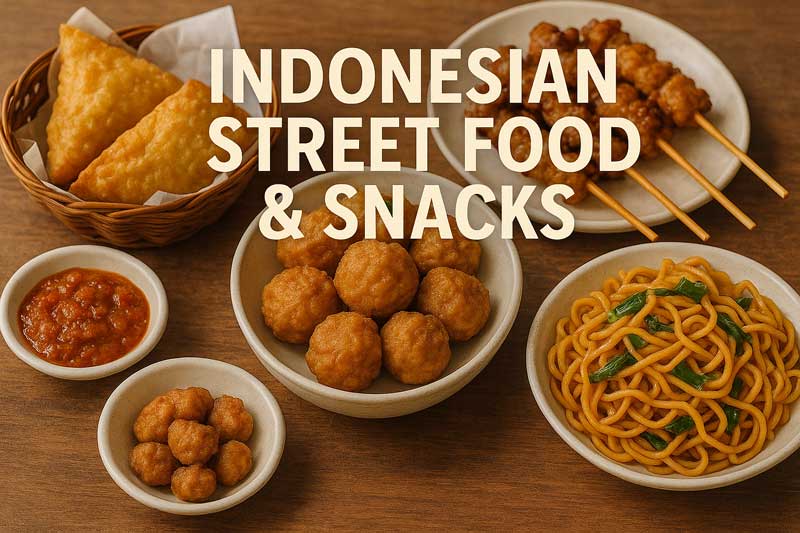
Udang Goreng Tepung, which translates to crispy fried shrimp in a light batter, is a beloved gateway to Indonesian street-food culture. It brings together sweet, briny shrimp, a delicate crunch, and a kiss of warmth from the frying oil. This dish shines in markets and homes alike, where the aroma travels and invites people to pause, share, and savor. In this article, we explore its cultural value and culinary significance. We also offer a home-happy way to recreate an authentic version. The focus is on the beauty of the dish and its place in Indonesian food culture, not on politics or history beyond the kitchen.
Cultural Value and Place in Indonesian Cuisine
Food in Indonesia often travels through streets, homes, and family gatherings. Udang Goreng Tepung is a perfect example of how a simple snack becomes a social glue. Vendors plate it in small portions, ready to dip into chili sauces, and share with friends and family. at Home, families recreate the crisp coating to celebrate everyday moments or invite guests to relax around a table. The dish embodies balance: a quick, satisfying bite, a bright aroma, and a touch of sweetness from the shrimp itself. This balance mirrors a broader Indonesian approach to flavor, where texture, aroma, and color come together to invite conversation and connection. In markets, you can see the technique passed down—from seasoned cooks to apprentices—yet each cook adds a personal touch. That continuity, in the kitchen and stall alike, makes Udang Goreng Tepung a living thread in the fabric of Indonesian street-food culture.
Flavor, Texture, and Culinary Techniques
The magic of this dish lies in its contrast. The shrimp stay juicy inside, while the coating turns to a crackly, golden shell on the outside. A good batter uses a light touch: flour and a bit of starch—such as corn or rice flour—help create crunch without heaviness. A gentle seasoning brings garlic, salt, pepper, and a whisper of paprika or turmeric for color. The process is practical and precise: pat the shrimp dry, season briefly, then dust with the coating mixture so the surface holds well during frying. Frying at a steady, hot temperature ensures an even crust and prevents soggy pockets. The result is a shrimp bite that offers a snap, followed by a tender center. Serve it with a bright dipping sauce—often a chili-based, sweet-savory sauce—or a squeeze of lime to lift the flavors. This dish elevates simple ingredients through technique, balance, and care.
Regional Variations and Personal Touches
Indonesia’s vast archipelago invites small differences that add depth to Udang Goreng Tepung. Some cooks add a touch of rice flour to the coating for extra crispness, while others favor cornstarch for a feather-light crust. The spice mix can vary: garlic and white pepper in one kitchen, a hint of turmeric or paprika in another for color. The dipping accompaniments also vary by region and preference. A bright chili sauce with garlic, a tangy tamarind dip, or a traditional sweet chili sauce each offer a distinct finish. Some households dust the shrimp with sesame seeds or finely chopped scallions after frying for color and aroma. These variations celebrate local pantry staples while preserving the dish’s core identity: a crisp, flavorful bite that honors the shrimp and the cook’s craft.
Making Udang Goreng Tepung at Home
Here is a homestyle approach that invites you to savor the process as much as the result.
- Gather essentials: 500 g shrimp (peeled, tails left on), 1 tsp salt, 1/2 tsp white pepper, 2 cloves garlic (minced), 1 tsp lime juice. For the coating: 3/4 cup all-purpose flour, 1/2 cup cornstarch, 1/4 cup rice flour, 1 tsp baking powder, 1/2 tsp paprika (optional for color), a pinch of salt. Oil for deep frying. Dipping sauce of choice (chili sauce or a sweet chili dip works beautifully).
- Prepare the shrimp: rinse and pat dry. Marinate briefly with salt, pepper, garlic, and lime juice for about 10 minutes. This step wakes up the shrimp without overwhelming the delicate taste.
- Make the coating: whisk the flours, cornstarch, baking powder, paprika, and a pinch of salt. The mixture should feel light and sandy, ready to cling to the shrimp.
- Coat the shrimp: dip each shrimp into the coating, pressing gently so the layer adheres well. A light dusting is ideal; a thick clump can dull the crisp finish.
- Fry: heat oil to about 180°C (350-360°F). Fry in batches for 2–3 minutes, until the coating is golden and crisp. Avoid overcrowding, which can lower the oil temperature and soften the crust.
- Drain and serve: lift with a slotted spoon, drain on paper towels, and serve hot with lime wedges and your chosen dipping sauce. A sprinkle of fresh herbs or sesame seeds adds a final touch.
Tips for success: keep the shrimp dry before coating, maintain a steady oil temperature, and work in small batches to preserve crispness. If you prefer a lighter touch, use a mix of rice flour and cornstarch instead of all-purpose flour alone. For a richer aroma, a tiny splash of sesame oil in the coating can be delightful—use sparingly so it doesn’t overpower the shrimp.
Pairings, Plating, and Serving Ideas
Crisp shrimp thrive with bright accompaniments. Offer lime wedges to finish each bite with a citrus lift. A small dollop of chili sauce or a gentle sweet chili dip complements the heat and sweetness of the shrimp. Fresh herbs, such as chopped cilantro or parsley, bring color and a fresh aroma to the plate. Slender cucumber slices add a refreshing crunch between bites. For a festive touch, present Udang Goreng Tepung on a wooden board or a simple platter with varied dips, so guests can create their own flavor combinations. The dish shines as a snack between conversations or as part of a larger spread that celebrates Indonesian flavors.
The Joy of Sharing and Everyday Hospitality
In homes and markets, Udang Goreng Tepung invites people to gather. A plate passed around the table becomes a small ceremony of sharing. The crisp sound of the coating as shrimp are picked up signals a moment of delight. This simple dish demonstrates how technique, fresh ingredients, and warmth blend to create a memorable experience. The act of frying at home, listening to the sizzle, and tasting the final result builds a bridge between generations—an approachable way to connect with Indonesian culinary traditions. The dish honors the idea that cooking can be a generous, welcoming act.
Conclusion
Udang Goreng Tepung is more than a snack; it is a celebration of texture, aroma, and community. Its popularity in Indonesian street food and home kitchens shows how a few honest ingredients can become a beloved ritual. By embracing the technique, sharing the dish with others, and adapting the coating and dips to taste, you can experience a piece of Indonesian culinary artistry in your own kitchen. May the crisp bite remind you of open-air markets, friendly chats, and the timeless joy of good food shared with good company.