
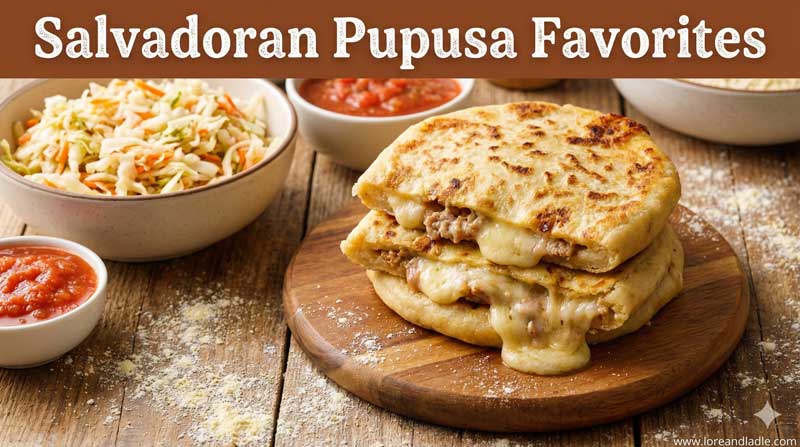
How to Make classic cheese and bean pupusas at Home
Welcome to a tasty doorway into a cherished culinary tradition. Cheese and bean pupusas are more than a dish; they are a quiet celebration of home cooking, shared meals, and family memories. In this guide, you’ll see how these pupusas express culture through simple ingredients, careful technique, and warm gatherings. You will also find practical notes for making them confidently in your own kitchen.
Cultural value: a dish that brings people together
Pupusas hold a special place at many tables. They are a versatile, comforting meal that families prepare for weekends, celebrations, and lively gatherings. The act of making masa, shaping fillings, and sharing hot pupusas creates a rhythm of togetherness. The scent of corn, cheese, and beans invites conversation, eye contact, and smiles. In short, pupusas are more than food; they are a familiar ritual that links generations through everyday cooking and shared enjoyment.
Culinary significance: texture, balance, and craft
The beauty of cheese and bean pupusas lies in balance. The masa provides a soft, malleable shell that yields to a gentle press. Inside, melted cheese mingles with creamy beans, offering a comforting contrast to the crisp exterior. When cooked on a hot skillet or comal, the outside gains a light crisp while the inside stays tender. This duo—silky filling and warm crust—defines the pupusa’s soul. Served with tangy curtido or a bright salsa, the dish becomes a study in harmony: simple ingredients working together to create depth of flavor.
Core ingredients and their meaning
- Masa harina and water: The foundation. The dough should be smooth and pliable, not dry. Salt adds a quiet, savory note that enhances the filling.
- Cheese: A fresh, mild cheese such as queso fresco is classic. It melts gently and provides a gentle, creamy bite.
- Beans: Refried beans or mashed cooked beans bring body and a subtle earthiness. They complement the cheese without overpowering it.
- Optional accompaniments: Curtido (a tangy cabbage slaw) and tomato salsa brighten the plate and refresh the palate between bites.
These choices reflect a preference for clean, bright flavors and a comforting mouthfeel. The result is a dish that feels both familiar and inviting, ready to carry a meal from the stove to the table with warmth.
Step-by-step overview for home preparation
- Prepare the dough: Mix masa harina with warm water and a pinch of salt until a smooth, cohesive dough forms. Let it rest briefly so the flour hydrates fully.
- Make the filling: Blend or mash drained beans with a pinch of salt. Keep the cheese ready in small crumbles or shreds for easy layering.
- Shape and fill: Divide the dough into small balls. Press each ball into a disk, place a spoonful of beans and some cheese in the center, then fold and seal the edges to trap the filling inside.
- Flatten gently: Gently press the filled ball between your palms or with a flat tool to form a thick, even patty. Avoid overly thin edges to keep the filling secure.
- Cook: Heat a lightly oiled skillet or comal over medium heat. Cook the pupusa on each side until the crust is lightly browned and the filling looks soft and inviting.
- Serve: Serve hot, with curtido and salsa on the side if you like. The contrast of cool slaw with the warm pupusa enhances the experience.
Serving tradition and accompaniment
Curtido adds brightness with its tangy, slightly sharp flavors, while salsa brings brightness and a touch of heat. Together, they lift the mildness of the cheese and the earthiness of the beans. This trio—pupusa, curtido, and salsa—creates a balanced plate that emphasizes freshness, texture, and flavor.
Tips for authentic flavor at home
- Hydration matters: If the dough feels stiff, add a few drops of water and knead again. A well-hydrated dough yields tender pupusas.
- Cheese choice: Use a soft, melty cheese for best results. If queso fresco is hard to find, a mild, fresh cheese that melts well works nicely.
- Filling balance: Use enough filling to be flavorful, but not so much that the dough can’t close properly. A careful balance keeps the pupusa intact during cooking.
- Heat control: Medium heat gives a golden crust without burning. Adjust as needed to keep the exterior crisp while the interior warms through.
- Rest and patience: A short rest after shaping helps the dough relax, which improves sealing and texture.
Regional nuances and variations
Across regions, home cooks and pupuserias explore small shifts in technique and filling. Some enjoy a slightly thicker crust for extra bite, while others favor a thinner shell for a more delicate texture. The cheese blend and bean preparation can vary, offering subtle differences in aroma and mouthfeel. These variations highlight how a single dish can carry many small personal touches while remaining distinctly recognizable as a classic cheese and bean pupusa.
A gentle invitation to begin
If you are new to pupusas, start with one or two small batches to learn the rhythm of dough, filling, and heat. With each attempt, you’ll notice the dough becoming more forgiving, the filling more harmonious, and the final bite more satisfying. This is the beauty of cooking as a living tradition: it grows with you, welcome and encouraging at every turn.
Conclusion: a timeless bite with a bright future
Cheese and bean pupusas at Home offer a window into a cultural craft that values warmth, shareability, and thoughtful preparation. The dish invites you to slow down, enjoy simple ingredients, and celebrate the small moments of family and friendship around a hot skillet. As you master the technique, you contribute to a living table of flavors that continues to evolve while honoring a beloved, timeless food.