
A Flavor Story: The Essence of Classic Grilled Coconut Rice Satay
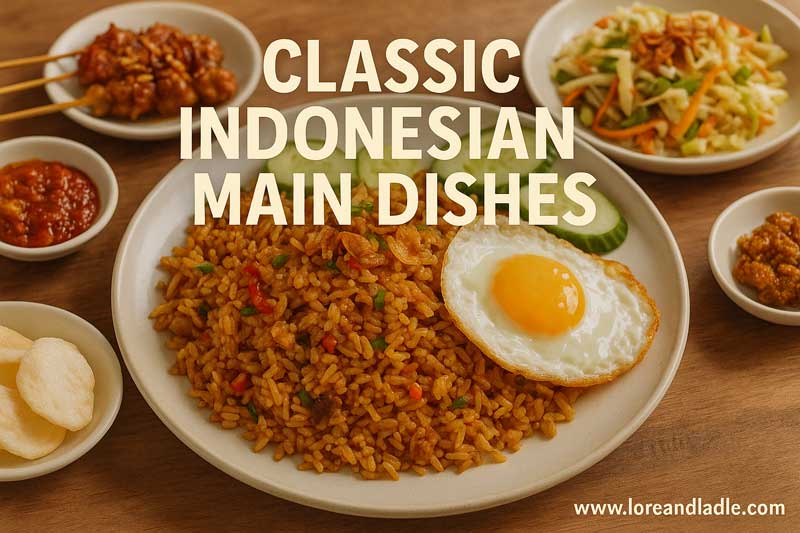
Classic Grilled Coconut Rice Satay is a beloved doorway into Indonesian flavors. It blends creamy coconut rice with smoky, grilled meat or tofu on skewers. The dish invites the senses through aroma, texture, and balance. It celebrates bright coconut notes, warm spices, and a gentle sweetness. The experience is communal, often shared with family and friends. In homes and markets alike, the scent tells a story of place, season, and hospitality. This dish stands as a timeless example of Indonesian main dishes that honor simple ingredients with thoughtful technique. It offers a respectful, delicious reminder of how food can reflect land and craft.
The Heart of Indonesian Table: Rice, Coconut, and Grilled Satay
Rice forms the foundation of many Indonesian meals, and here it meets coconut for a tender, fragrant base. The coconut milk enriches the grains, giving them a glossy, inviting look. Satay adds a parallel journey of flavor: marinated meat or plant-based alternatives are skewered and grilled to a light char. The result is a harmony of creamy rice and smoky, spiced bites. Plated together, they tell a story of balance—soft and bold, mellow and bright. The combination is a signature of Indonesian Home Cooking that travels well to gatherings and celebrations. It invites curiosity and appreciation for the craft behind each bite.
Aromatics that Sing: Spices and Herbs
The aroma comes alive with garlic, shallots, and fresh lemongrass. Ground turmeric and coriander seeds offer warmth and color. A touch of salt and a hint of sugar help reveal natural sweetness. Fresh herbs like cilantro or scallions can brighten the dish at the end. These aromatics are accessible, yet they carry depth that hints at regional variations. The result is a fragrant, inviting profile that elevates ordinary ingredients into something memorable. The careful blend shows how Indonesian cooks layer flavors with intention and grace.
The Grill as Tradition: From Skewers to Smoke
Grilling creates a gentle char and a smoky perfume that perfumes the room. Charcoal provides steady heat and a distinctive aroma that electric grills rarely replicate. The marinated meat or tofu catches a glisten, and the skewers become a visual cue of shared dining. The sizzling sound invites conversation and a sense of slow, attentive cooking. This method highlights patience, timing, and respect for ingredients. It is a small ritual that connects Home Cooks with a larger tradition of Indonesian grilling artistry.
Cooking at Home: A Ritual of Hospitality and Sharing
Preparing this dish at Home centers hospitality. Families gather to wash, chop, and mingle around the kitchen. The act of skewering, grilling, and serving becomes a social moment. Sharing the coconut rice and satay reinforces care for loved ones. The dish travels beyond the plate to teach generosity, mindfulness, and gratitude for good ingredients. In this sense, the cooking process itself is part of the cultural value—the rhythm of a home that nourishes body and spirit.
Serving with Peanut Sauce: A Complement to Balance
Many cooks pair this dish with a creamy peanut sauce. The sauce adds a nutty richness that enhances the coconut and spice notes. It creates textbook contrast: smooth against chewy, sweet against savory. Even when served simply, the pairing demonstrates how Indonesian meals are designed to delight the palate through harmony. The sauce is more than a condiment; it is a shared tradition that many households adapt to their taste.
Variations Across Regions: How Different Provinces Shine
Indonesian cuisine offers regional nuances that enrich this dish. You may find chicken, beef, or tofu on the skewers. Some cooks add palm sugar for a deeper sweetness, while others emphasize chilies for a brighter kick. The coconut rice itself can vary from creamy to lighter, depending on regional preferences and family recipes. Such variations celebrate diversity within a shared culinary language and demonstrate how regional voices contribute to a common cultural palate.
Practical Tips for Home Chefs: Quality Ingredients and Techniques
- Choose fresh coconut milk or a good-quality carton for a clean, fragrant base.
- Rinse rice well, then cook with just enough coconut milk to keep grains separate yet tender.
- For the satay, marinate meat or tofu with garlic, shallots, a touch of turmeric, salt, and a splash of lime.
- Grill over moderate heat to develop color without drying out the center.
- Let the skewers rest briefly after grilling to relax flavors.
- Serve with a simple peanut sauce or a light vinaigrette if you prefer a fresher finish.
- Keep garnishes bright with fresh herbs to lift the plate visually and aromatically.
Final Thoughts: A Colorful Thread in Indonesian Culinary Culture
Classic Grilled Coconut Rice Satay embodies the beauty of Indonesian cooking. It celebrates nourishment, seasonality, and the joy of sharing food. The dish speaks to the artistry found in everyday kitchens and in social meals. Its cultural value lies in how it welcomes guests, honors ingredients, and invites cooks of all levels to participate in a time-tested tradition. By making this dish at home, you join a warm lineage of makers who cherish flavor, hospitality, and the simple joy of a meal well shared.