
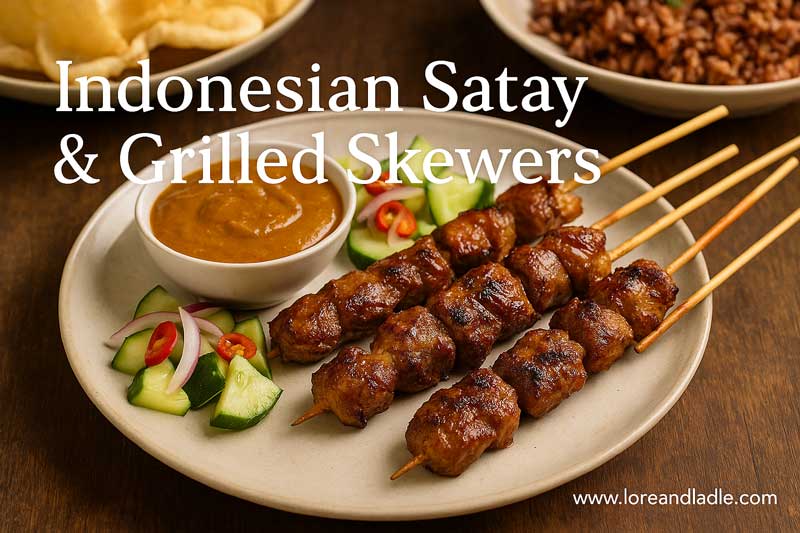
Introduction: A Dish that Lets Simple Ingredients Shine
Tahu Goreng, or fried tofu, is a beloved staple in Indonesian homes and street food carts. Its charm lies in the contrast between a crisp, lightly seasoned crust and a tender, neutral center. This dish invites both kitchen novices and seasoned cooks to celebrate technique, texture, and the quiet beauty of humble ingredients. The version we explore here blends classic fried tofu with a nod to the generous spirit of Indonesian skewers and satay ideas, offering a home cook a way to honor tradition while enjoying a flexible, crowd-pleasing dish.
Cultural Value: Tahu Goreng as Everyday Heritage
Tofu has long held a place in Indonesian cooking as a versatile canvas for flavor. Tahu Goreng is more than a snack; it is a social dish. Families assemble it for midday meals, friends share it during gatherings, and vendors serve it with a welcoming smile. The dish travels easily between breakfast stalls, home kitchens, and festive tables, showing how food becomes a daily unifier. Across the archipelago, cooks adapt the crispiness and seasoning to local tastes, creating a tapestry of regional expressions that all share a common technique: transforming soft blocks of soy—simple, affordable, and nourishing—into something vibrant and memorable.
The preparation signals care and hospitality. Pressing the tofu to remove moisture, dusting it with a touch of starch, and frying until the outside shimmers with gold—all these steps speak to patience and craftsmanship. In this light, Tahu Goreng is a quiet ambassador of Indonesian culinary values: respect for ingredients, joy in technique, and a warmth that welcomes others to the table. When you prepare this dish at Home, you participate in a tradition that celebrates family meals, seasonal markets, and the sharing of sauces and condiments that accompany the tofu’s crisp shell.
Culinary Significance: Flavor, Texture, and Technique
The culinary magic of Tahu Goreng rests on texture and balance. The outer crust should be crisp and light, offering a satisfying crack when you bite. Inside, the tofu remains soft and nearly creamy, a gentle contrast that makes the dish engaging with every mouthful. Flavor comes from a careful respect for the tofu itself, enhanced by a touch of garlic, shallot, and a light coating of starch to promote even browning. This approach keeps the tofu approachable, letting its natural soybean sweetness emerge alongside savory notes.
Sauces are where cultural flavor profiles shine. A classic peanut sauce or a simple soy-based dip can elevate the dish with nutty richness, a hint of sweetness, and a whisper of heat. The pairing mirrors the broader Indonesian pantry, where peanut, chili, palm sugar, and soy combine in harmony. This sauce is not just an accompaniment; it completes the cultural conversation, linking the humble fried tofu to the larger world of Indonesian condiments and dipping traditions.
The dish also lends itself to texture-driven contrasts. Some cooks dust the tofu lightly with rice flour for extra crispness; others prefer a thinner crust with cornstarch. Either choice demonstrates how technique shapes flavor perception. The result is a versatile dish that can stand alone as a snack, serve as part of a larger platter, or be transformed into skewers for a grill-ready presentation that nods to satay-style ideas.
Satay and Grilled Skewers Idea: A Fresh Adaptation at Home
One delightful way to honor Indonesian grilling traditions is to thread fried tofu onto skewers for a satay-inspired presentation. Here is how to adapt Tahu Goreng for a grill-friendly experience while preserving its essence:
- Cut firm tofu into even cubes or thick triangles. A uniform size helps even cooking on the grill.
- Par-fry or shallow-fry the pieces until lightly crisp. This creates a stable surface for skewering and keeps them from breaking during grilling.
- Thread the tofu onto bamboo skewers, spacing pieces so air can circulate and prevent sticking.
- Brush with a light marinade or sauce made from soy, garlic, and a touch of palm sugar. This step echoes the glossy, savory coats you see on classic satay.
- Grill briefly, just until you see inviting grill marks and a touch more color. Rest before serving.
- Serve with peanut sauce or a smoky-chili dip to echo the traditional satay experience.
This adaptation honors the Indonesian love of skewers and grilled flavors while keeping the heart of Tahu Goreng intact: a crisp, joyful bite that shines when paired with a flavorful sauce. It’s a simple bridge between a familiar fried texture and the grilled, social way of enjoying skewered foods.
Serving Ideas: How to Present with Care
- Pair with peanut sauce, sambal, and a squeeze of lime for brightness.
- Serve alongside fresh cucumber or carrot ribbons for a light, crunchy counterpoint.
- Present on a small platter with a few skewers for a balanced, shareable moment.
- Add a sprinkle of toasted sesame or crushed peanuts to heighten aroma and texture.
These accompaniments amplify the dish’s cultural feeling—meals meant to be shared, enjoyed slowly, and appreciated for their layered textures and harmonious flavors.
A Gentle Invitation to the Table
Tahu Goreng at home offers more than a tasty dish; it invites you to participate in a tradition that values simplicity, technique, and generosity. The crisp bite, the soft interior, and the option to present it as classic fried tofu or as a satay-inspired skewer make this dish both comforting and versatile. By selecting fresh ingredients, honoring precise frying times, and embracing a dipping sauce that suits your taste, you honor Indonesian culinary culture in a personal and delicious way.
If you seek a dish that quietly celebrates texture, warmth, and shared meals, Tahu Goreng is a timeless choice. It reminds us that great cooking often begins with modest staples and ends in communal joy. Enjoy the process, savor the flavors, and welcome friends and family to your table with a plate that speaks of care and culture.