
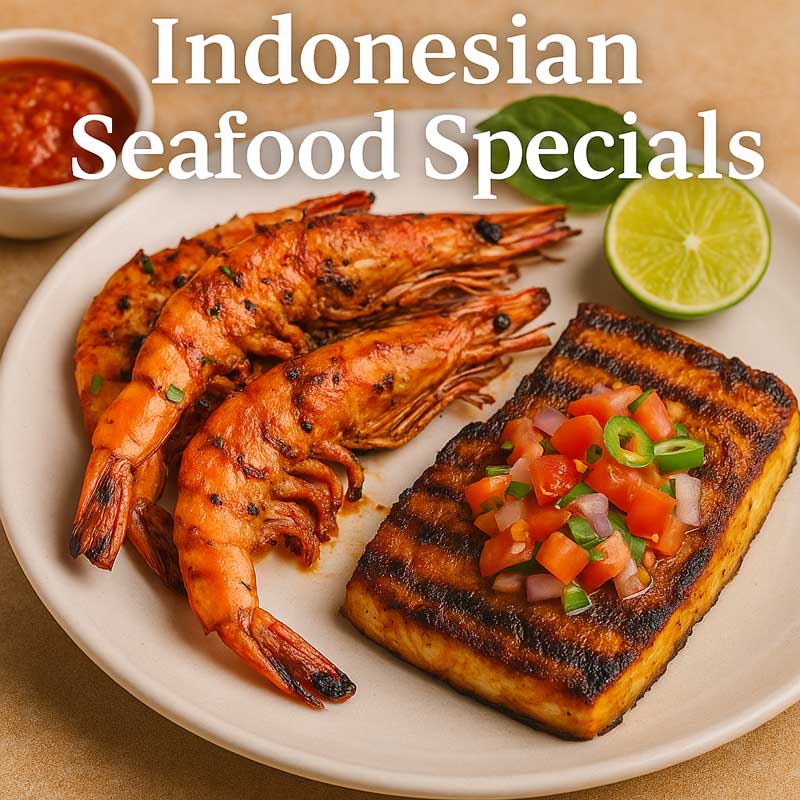
A Taste of Indonesian Heritage
This dish, Classic Grilled Coconut Rice Satay, offers a gentle invitation into Indonesian coastal kitchens. It blends the bright aroma of coconut with the smoky char of grilled skewers. In every bite, you sense a landscape where rice meets sea, and sweetness meets spice. The pairing of coconut rice with satay is more than flavor; it is a quiet celebration of how land and ocean meet in daily meals. The dish reflects a culinary culture that treasures fresh ingredients, careful technique, and a shared table. When we prepare it at Home, we become part of a long line of cooks who first brought fragrant coconut milk and skillful grilling to the heart of the kitchen.
The Core Components: Coconut Rice and Satay
Coconut rice forms the aromatic base. It relies on coconut milk, small grains of rice, and a pinch of salt to coax out a silky, fragrant texture. The coconut milk adds richness and a gentle sweetness that pairs beautifully with savory accompaniments. Satay—skewered pieces of seafood, seasoned and grilled—provides a smoky counterpoint. The peanut sauce that accompanies many satay traditions adds depth, a touch of sweetness, and a nutty finish. Together, these elements honor Indonesian techniques that celebrate balance: gentle sweetness, warm spices, and a finish that invites you to share another bite. The dish remains adaptable, allowing prawns, fish, or other seafood favorites to shine along with the coconut rice.
The Alchemy of Flavor: Techniques and Aromas
The aroma starts with coconut milk simmered into the rice, sometimes with a hint of pandan leaf or lemongrass to lift the fragrance. This creates a tender, slightly creamy grain that carries the coconut’s sweetness without overpowering the palate. For the satay, a simple spice blend—turmeric, coriander, garlic, and a touch of cumin—brightens the meat while leaving room for the natural flavor of seafood. Grilling adds a gentle char and a smoky finish that amplifies the dish’s seaside character. The peanut sauce, if included, connects the pieces with a round, nutty note that harmonizes with the coconut’s creaminess. The technique honors time-honored methods: attentive simmering, careful marinating, and patient grilling over steady heat.
Sea and Soil: The Role of Seafood in Indonesian Cuisine
Indonesia’s coastal regions have a long history of turning abundant seafood into comforting meals. This dish mirrors that heritage by pairing a coconut-rich staple with seafood skewers. The seafood brings a crisp, fresh brightness that contrasts with the rice’s soft richness. Across the archipelago, gatherings often feature simple, well-prepared seafood that respects the ingredient’s natural flavor. Grilling enhances texture and aroma, making every bite feel celebratory yet grounded in daily life. The dish illustrates how Indonesian cooks balance land-produced ingredients with the gifts of the sea, creating meals that feel both nourishing and refined.
Shared Tables: Cultural Significance of This Dish
Food in Indonesian culture often centers on sharing and hospitality. A plate of coconut rice with grilled satay invites conversation, exchange, and gratitude for the cook’s effort. The dish is adaptable to many occasions—from a casual family dinner to a festive weekend gathering—yet it remains rooted in respect for ingredients and craft. By preparing and presenting it thoughtfully, Home Cooks honor regional flavors and the memory of cooks who perfected rice, spice blends, and grill techniques. The result is a meal that nourishes more than the body; it also nurtures a sense of belonging and appreciation for local ingredients and culinary skill.
Home Kitchen, Indonesian Style: A Simple Approach
To bring this dish to your table, start with quality ingredients: fragrant rice, creamy coconut milk, and fresh seafood suited to quick grilling. Soak, rinse, and measure with care, then simmer the rice in coconut milk until it’s tender and rich. For the seafood, a light marinade with turmeric, garlic, and a splash of lime keeps the fish or shrimp bright and juicy. Skewer the pieces and grill until they are lightly charred and just cooked through. Serve alongside a small bowl of peanut sauce or a simple dipping sauce of lime, palm sugar, and roasted peanuts. Plate with a touch of fresh herbs or cucumber slices to echo the dish’s bright notes. This approach emphasizes technique that is accessible to home cooks while preserving the dish’s soul—fresh ingredients, respectful seasoning, and precise grill work.
Ingredient Spotlight
- Coconut milk: The heart of the rice, adding creaminess and gentle sweetness that defines the dish’s character.
- Rice: Long-grain or jasmine rice provides a light, fluffy texture that carries the coconut flavor well.
- Lemongrass, pandan, and lime leaves: Aromatic boosters that lift the dish with fresh, green notes.
- Seafood: The star of the satay component, chosen for freshness and quick, even cooking on the grill.
- Turmeric, coriander, cumin, garlic: Classic spice trio that lends warmth and depth to the skewers.
- Peanut sauce or dipping accompaniment: Adds a nutty finish and a pleasing balance to the coconut’s richness.
- Palm sugar and lime: A gentle sweet-sour balance that rounds out flavors without overpowering them.
Plating and Presentation: A Sensory Experience
Think of the plate as a stage for color and aroma. A bed of coconut rice forms a creamy backdrop for the grilled skewers. Add a bright side—such as citrus wedges or fresh herbs—to echo the dish’s coastal brightness. A small dish of peanut sauce provides a dipping option that invites lingering at the table. If possible, present on a warm platter or bamboo dish to evoke a market-kitchen feel. Subtle garnishes, such as sliced chilies or shredded coconut, can add color and texture without distracting from the main flavors. The presentation should feel inviting, suggesting both craftsmanship and generosity.
Final Thoughts: Celebrating Craft and Community
Classic Grilled Coconut Rice Satay at home is more than a recipe; it’s a doorway into Indonesian culinary craft. It celebrates the harmony of land and sea, the aroma of coconut, and the joy of sharing a slow-grilled meal with friends and family. By focusing on how the ingredients come together—the creamy rice, the smoky seafood, the fragrant spices—we honor a tradition that values balance, skill, and warmth. If you approach the dish with curiosity and patience, you’ll discover how simple components can become a memorable celebration of flavor and culture. This is not only about taste; it is about the beauty of a cooking method that respects ingredients and the pleasure of a table where everyone is welcome to enjoy.