
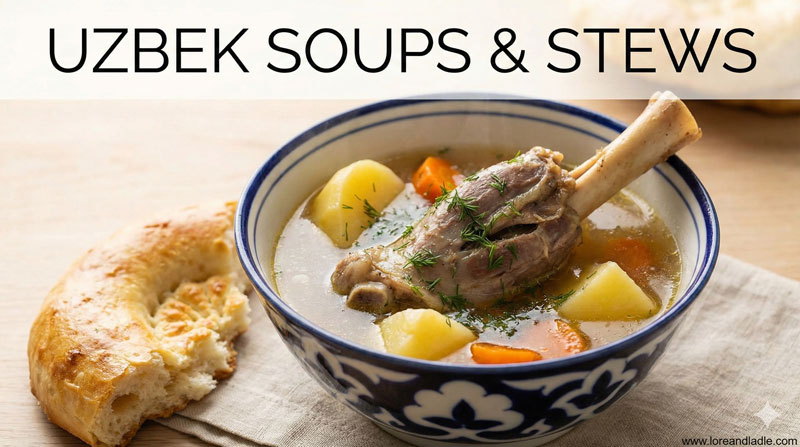
Introduction to How to Make Naryn – Uzbekistani Soups & Stews Flavor You’ll Love
Naryn is a beloved Uzbek dish that brightens tables and gatherings. It blends tender meat with long, silky noodles and a clear, comforting broth. This guide invites you to explore its cultural value and culinary significance. See how simple ingredients become a dish that speaks of home, skill, and shared meals. You will learn why Naryn endures in households and markets alike.
Cultural Value: A Dish at the Center of Uzbek Hospitality
In Uzbek culture, food is a language of welcome. Naryn often accompanies family meals, festive gatherings, and seasonal moments. The act of preparing it is a gesture of care. Sharing bowls of Naryn invites conversation, memory, and mutual enjoyment. The dish connects cooks of all ages, from seasoned home chefs to neighbors who trade tips and noodles. Its warmth comes from patience: a slow simmer, careful noodle handling, and attentive seasoning. Naryn embodies balance, where simple elements come together to create a satisfying, communal experience.
Culinary Significance: Techniques and Traditions in Every Bite
Naryn showcases core Uzbek techniques. It centers on three pillars: broth, noodles, and meat. The broth carries the flavor of the cooking fire and the chosen meat. The noodles, whether hand-cut or carefully dried, provide a tender bite that holds up to the broth. The meat adds richness and depth. Texture is key: noodles should be soft yet distinct, and meat should be tender but not mushy. Spices are kept modest to let the ingredients shine. This restrained approach highlights skill, timing, and the joy of simple, honest cooking. Naryn also reflects regional pride, with subtle regional differences in noodle thickness and meat cuts.
The Core Components: What Makes Naryn Special
- Meat: Lamb or beef yields a rich, comforting broth. Fat and bone add depth, while lean cuts keep the dish clean-tasting.
- Noodles: Long, slender noodles are traditional. Fresh noodles give the brightest texture, but good dried noodles work well too.
- Broth: A clear, aromatic broth forms the backbone. Onion, salt, and gentle simmering build warmth without heaviness.
- Garnish: Fresh herbs, primarily green onion or dill, brighten the dish. A squeeze of fresh herbs ties the flavors together.
Step-by-Step: How to Make Naryn at Home
1) Choose your meat and simmer a clear broth. Add water, meat, a whole onion, and a pinch of salt. Let it simmer slowly until the meat is tender. Skim as needed for clarity.
2) Prepare the noodles. If using fresh noodles, cut them into long strips. If using dried noodles, cook them just until al dente, then drain.
3) Finish the meat. Remove bones and cut the meat into bite-sized pieces. Keep the meat warm in the broth to retain flavor.
4) Assemble the bowls. Place a generous bed of noodles in each bowl. Top with hot meat portions.
5) Ladle broth over the noodles and meat. Serve immediately so the noodles stay tender.
6) Garnish lightly with chopped herbs. A touch of fresh pepper or paprika can be added if desired.
Serving and Social Moments: How Naryn Is Enjoyed
Naryn is often served in generous bowls for sharing. The dish pairs well with fresh bread and a simple salad. It invites conversation and mindful tasting. A warm kitchen, steam rising, and the clink of spoons make the moment feel welcoming. Enjoying Naryn together emphasizes care, balance, and seasonal flavors. The dish can be part of daily warmth or a celebratory touch on special occasions.
Regional Variations: Small Differences, Big Delights
Across Uzbek regions, small differences enrich Naryn. Some cooks prefer thicker noodles; others favor ultra-fine strands. The meat choice and simmer time vary by tradition and taste. Some versions add a hint of pepper or herbs at the end. Yet the core remains the same: noodles that hold up to broth, meat that offers comfort, and a clean, appealing bowl.
Tips for Flavor and Texture: Elevating Your Naryn
- Use a clear simmer to keep the broth bright. Skim fat for a cleaner taste.
- Rest the meat briefly if possible after cutting; it helps retain juiciness.
- If you use dried noodles, rinse them quickly after boiling to stop excess starch.
- Finish with a fresh herb sprinkle to brighten the dish just before serving.
Conclusion: A Timeless Favorite in Uzbek Cuisine
Naryn stands for more than sustenance. It represents hospitality, family, and skilled craft. As you make How to Make Naryn – Uzbekistani Soups & Stews Flavor You’ll Love, you honor a dish with deep roots and generous heart. Simple ingredients, careful technique, and shared tables unite to celebrate the beauty of Uzbek food culture.