
Why Saucy Sate Ayam Matters
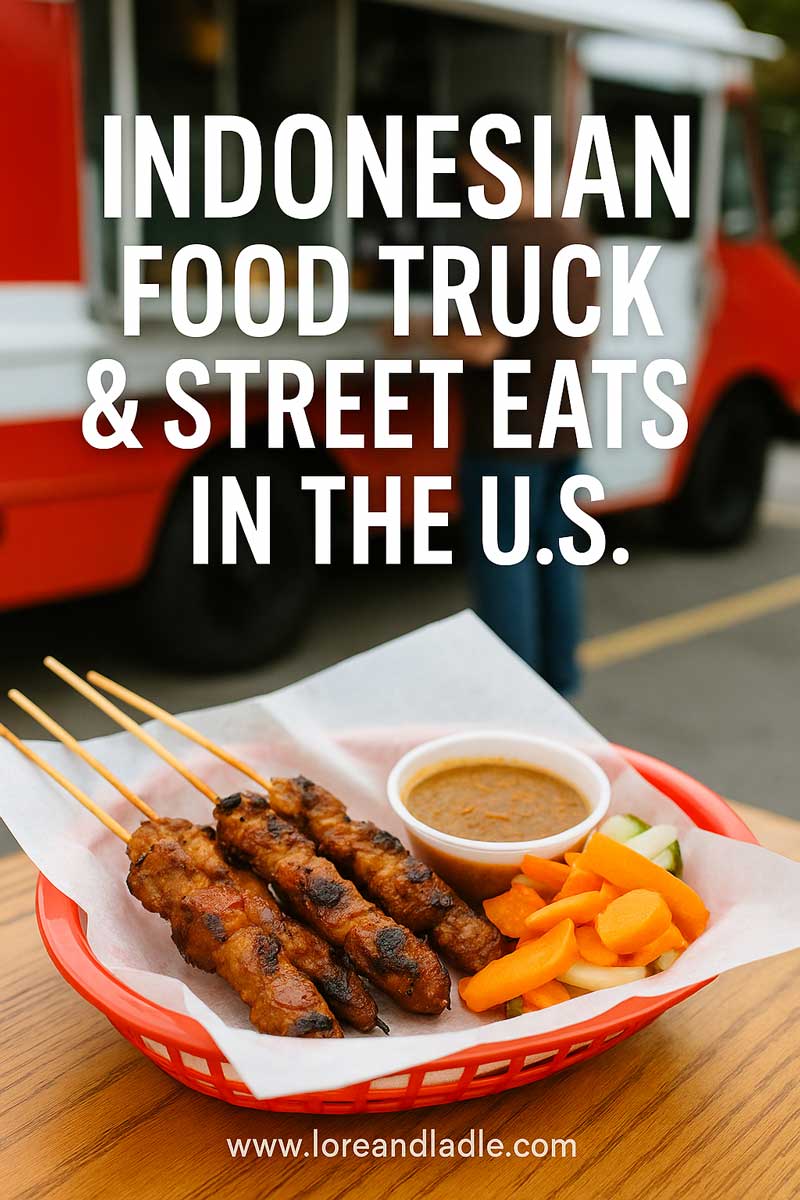
Saucy Sate Ayam holds a special place in Indonesian culinary culture. It captures both street-smart technique and refined balance in flavor. The dish celebrates communal dining, where friends and family gather, share skewers, and savor a single, glossy sauce that ties each bite together. The aroma of grilled chicken, the crackle of the flame, and the nutty, spicy sauce create a sensory memory that travels beyond the plate. Preparing this dish at Home invites a sense of place and tradition, inviting cooks to honor a time-tested craft while making it their own. In this way, Saucy Sate Ayam becomes more than a meal; it becomes a small ceremony of hospitality and skill.
A Peek into Indonesian Street Eats
Indonesian street eats are shaped by vibrant markets, where cooks work quickly and consistently. Satay varieties show regional personality: different cuts, marination notes, and sauce styles all reflect local favorites. The grill is central, offering a smoky edge that lifts the dish. The peanut sauce acts as a universal greeting—creamy, bright, and warmly spiced—meant to complement rather than overpower. This food culture values accessibility, sharing, and the easy joy of walking up to a stall, watching skewers char, and then savoring them with friends. When enjoyed in the United States, Saucy Sate Ayam becomes a bridge to this lively street-food spirit, inviting Home Cooks to recreate the energy of a market corner in their own kitchen.
The Flavor Profile: Peanut Sauce and Spice
The heart of Saucy Sate Ayam is its peanut sauce. Roasted peanuts provide depth, while a touch of sweetness from palm sugar or brown sugar keeps the glaze balanced. A splash of tang from lime or tamarind brightens the mixture, and a measured heat from red chilies or chili paste adds character. The chicken itself contributes aroma and texture: a crisp exterior and juicy interior formed by a thoughtful marinade. The combination—savory, sweet, nutty, and a little spicy—creates a rounded profile that is instantly recognizable and endlessly satisfying.
Ingredients and Marinade: A Cultural Craft
Key elements include chicken pieces chosen for tenderness, such as thighs or boneless portions. For the marinade, cooks often use garlic, shallots, coriander seeds or ground coriander, turmeric, salt, and a hint of sweetness. Some cooks add a whisper of lemongrass or lime zest to deepen the aroma. The technique is as important as the ingredients: a patient mix lets flavors mingle, while a quick rest before grilling helps the meat stay juicy. This craft reflects care, patience, and a respect for the interactions between spice, sweetness, and fire.
From Grill to Table: The Cooking Process at Home
Skewers are assembled with care, then grilled over a steady flame. Turn them evenly to ensure uniform color and a gentle char. Baste with the sauce during cooking to build a lacquered glaze that sticks to the meat. Once cooked through and lightly charred, the skewers rest briefly, sealing juices before serving. The result is a dish that looks glossy, smells inviting, and offers both bite and bite-size storytelling. The simple act of grilling brings people together, echoing the communal spirit of street stalls in a home kitchen.
The Home Kitchen Adaptation in the U.S.
In the United States, ingredients can adapt without losing essence. If peanuts are unavailable, use finely chopped roasted peanuts for texture. If palm sugar is hard to find, substitute brown sugar with a touch of honey to mimic depth. Kecap manis (sweet soy sauce) can enrich the glaze, or a small amount of soy sauce with a pinch of brown sugar can offer a similar sweetness. Chili paste or fresh chilies adjust heat to taste. The key is preserving balance: the sauce should cling to the chicken, not overwhelm it, and the grill impart should sing with a gentle smoke.
Serving and Storytelling: Respectful Presentation
Serve Saucy Sate Ayam with simplicity and care. Arrange the skewers on a platter with fresh accompaniments such as cucumber slices, red onion, and lime wedges. A light sprinkle of sesame seeds can add a touch of color and texture. Offer extra sauce on the side, inviting guests to dip and savor. Presentation matters because it honors the dish’s street-food heritage while inviting a calm, appreciative dining moment at home. Sharing these skewers becomes a small event—one that invites conversation about flavors, technique, and time-honored cooking methods.
A Community of Flavor: Cultural Value in Street Eats
The cultural value of Saucy Sate Ayam lies in its ability to bring people together through flavor. It speaks to the artistry of grilling, the precision of a well-balanced sauce, and the joy of sharing a meal. In markets and stalls, cooks quietly preserve techniques and relationships with ingredients, celebrating local produce and the rhythm of daily life. When recreated at home, the dish promotes culinary curiosity, kitchen confidence, and respect for a cuisine that thrives on community, craftsmanship, and hospitality. The result is a comforting, elegant bridge between tradition and personal expression.
Final Thoughts: Embracing Saucy Sate Ayam at Home
Saucy Sate Ayam is a celebration of Indonesian street eats, captured in a form that travelers can bring into their own kitchens. It highlights how simple ingredients—chicken, peanut sauce, spice, and fire—combine into something that feels timeless and alive. By cooking with intention and sharing generously, you honor a dish that has fed neighborhoods, sparked conversation, and inspired cooks around the world. In every bite, taste the glow of the grill, the warmth of the sauce, and the care that makes a street-food favorite a cherished home dish.