
Introduction: A savory celebration in every bite
Somsa, or samsa, is a cherished treasure in Uzbek culinary life. This pastry pocket carries the warmth of home, the aroma of a busy kitchen, and the smiles of friends gathered around a table. When you hear the sizzle of dough meeting a hot oven, you’re hearing a cultural story unfold. Somsa sits beside plov, the famous Uzbek pilaf, as a beloved staple that marks everyday meals and special occasions alike. It is a dish that invites conversation, shared bites, and a sense of belonging.
Hospitality and the heart of Uzbek meals
In Uzbek culture, food is a generous invitation. Somsa appears at family gatherings, market stalls, and festive tables as a sign of welcome. A tray of freshly baked somsa signals that guests are valued, and conversations begin as naturally as the steam escaping the crust. The pastry’s very form—folded, sealed, and golden—mirrors an ethic of care: each piece is shaped with attention, each sharing is a gesture of friendship. Through somsa, food becomes a language of hospitality, where warmth travels from the kitchen to the first bite and lingers in the memory long after the plates are cleared.
The soul of somsa: dough, filling, and aroma
Somsa earns its character from three living elements. The dough offers a gentle, resilient texture that grows crisper as it bakes. The filling—the heart of the dish—brings savory richness. Most commonly, ground meat is blended with onions, herbs, and spices to create a soulful, umami-rich center. The crust carries a delicate mix of flavors from the filling to the outside, aided by spices such as cumin, coriander, and black pepper. When the somsa bakes, the kitchen fills with a fragrant steam that speaks of patience, skill, and tradition. This aroma announces a moment of connection: a shared bite, a story told, a memory made.
Craft and technique: a culinary dialogue across generations
The process of making somsa embodies a quiet discipline that travels from parent to child and cook to cook. The dough is worked until soft and pliable, then rested so it relaxes and becomes easy to shape. The dough is rolled into circles or triangles, filled with a savory mixture, and carefully sealed. The pastries are placed in a blazing oven, where heat transforms the pale dough into a crisp, golden crust and melts the filling into its fragrant center. Each step is careful, patient, and respectful of tradition. The technique is less about speed and more about harmony—balancing texture, proportion, and the way the outer crust gives way to the tender interior.
Somsa and the Uzbek table: a pairing with plov
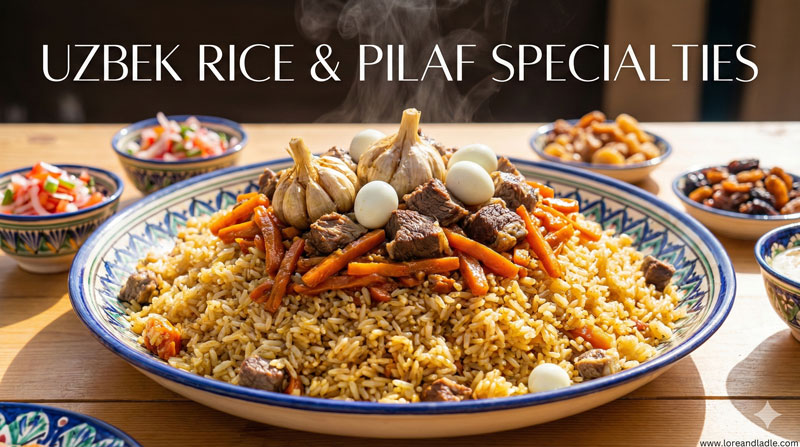
Uzbek pilaf, or plov, is the other heart of a rich culinary landscape. Plov centers on rice, carrots, and meat cooked together to release a comforting, layered aroma. Somsa complements this dish by offering a savory, textural bite that contrasts with the soft grains of rice. Together, they form a balance that invites the senses: the heat of spices, the sweetness of onions, and the smoke of the oven mingle in a feast that feels both rustic and refined. Sharing somsa with plov is a ritual of togetherness, where each bite reinforces a sense of place and tradition.
Regional shapes and fillings: diversity in a common language
Across Uzbekistan and Central Asia, somsa is a language spoken in many dialects. The pastry may adopt different shapes or fillings depending on local taste, season, and family preference. Some regions favor triangular pastries, while others enjoy crescent or cone-like forms. Fillings can vary—from meat and onion to potato, pumpkin, or cheese—yet the underlying idea remains the same: a portable, flavorful bundle that carries the warmth of home. This variety reveals how culture thrives on shared technique while honoring regional preferences. It is a reminder that a single beloved dish can express many local voices within a shared tradition.
Daily life, celebrations, and the social fabric
Somsa is more than food; it is a social artifact. It appears at casual lunch breaks, at weddings, at seasonal fairs, and in street markets where the hum of conversation blends with the crackle of ovens. The act of preparing somsa can be a family or community activity, turning cooking into a social craft. When neighbors exchange warm trays and stories, the dish grows into a memory more vivid than the recipe alone. In this way, somsa contributes to social cohesion, offering a familiar touchstone that anchors people to their daily life and shared heritage.
A respectful approach to making somsa at home
If you bring somsa into your kitchen, you join a tradition rooted in hospitality and care. Start with a simple respect for the dough’s texture and the balance of filling flavors. Listen to the rhythm of the oven and observe how the crust blossoms with color and aroma. Embrace the practice as a way to honor those who taught the craft and to welcome guests with warmth. Cooking somsa invites mindful attention, patience, and gratitude—qualities that elevate the dish from sustenance to a cultural ritual.
The cultural value and culinary significance in one bite
Somsa embodies more than taste. It is a portable emblem of family, tradition, and shared meals. It showcases how a simple pastry can carry memory, regional identity, and social bonds. The dish invites curiosity about Uzbek cooking methods, spice choices, and the artistry of crafting a perfect crust. It stands as a testament to the idea that food can unite generation after generation, turning a single bite into a bridge between past and present.
Conclusion: savoring the beauty of somsa
Somsa invites you to slow down and savor the beauty of a culinary tradition that celebrates hospitality, craft, and connection. Its aroma signals welcome; its texture rewards care; its flavor honors the heritage of Uzbek kitchens. By exploring somsa, you glimpse a culture that values warmth, conversation, and the joy of sharing a well-made dish. In every triangle of pastry lies a story of home, resilience, and delicious solidarity—a story you can taste and carry with you at every table.