
Ikan Bakar and Other Budget-friendly Indonesian Dishes Loved in America
Ikan Bakar is a shining example of Indonesian cooking that travels well and touches many tastes. in America, it invites curious eaters to explore a mosaic of flavors born from simple, fresh ingredients. The dish centers on a fresh fish, grilled to a smoky finish, brushed with a vibrant spice paste. The result is bright, balanced, and deeply comforting. This post celebrates its cultural value and culinary significance, while also highlighting other budget-friendly Indonesian dishes that fans in America cherish.
Ikan Bakar: A Grilled Treasure of Indonesia
Ikan Bakar begins with a whole fish or fillets that are lightly scored and seasoned with a bumbu—the aromatic spice paste that defines many Indonesian dishes. Typical notes include garlic, shallots, chilies, lemongrass, turmeric, and coriander, often blended with a splash of lime or tamarind for brightness. The fish is then grilled, preferably over charcoal, until the skin is crisp and the meat stays moist and fragrant. The aroma tells a story of markets, coastal villages, and home kitchens where fire and spice come together in harmony. The glaze or brush of oil or kecap manis adds a gentle sweetness that complements the heat and acidity. The final plate shines with color, aroma, and a delicate balance of textures. Ikan Bakar is not merely a dish; it is a shared experience—neighbors gathering around a grill, the scent weaving through the air as conversations rise.
Cultural Value and Culinary Significance
The beauty of Ikan Bakar lies in its simplicity and its social spirit. It embodies a cultural tradition that celebrates fresh seafood, garden herbs, and the joy of cooking together. The dish teaches patience and technique in a friendly way: clean, prepare, marinate, grill, rest, and serve with bright accompaniments. Across Indonesian kitchens, marinades are often tailored to local ingredients, making each version a personal expression of place. The dish also highlights a deep respect for nature—choosing the right fish, using versatile herbs, and respecting the balance of flavors. In this sense, Ikan Bakar is both everyday nourishment and a ceremonial pleasure, suitable for quick weeknight meals and festive gatherings alike. Its cultural value shines through the way it invites shared tasting, conversation, and a sense of hospitality that connects cooks and guests through flavor.
Budget-friendly Appeal: Flavor on a Shoestring
One of the most striking aspects of Ikan Bakar is its accessibility. The core ingredients—fresh fish, basic aromatics, and a simple spice paste—are affordable and widely available. The method is forgiving: marinate for a short or longer time, grill on a barbecue or grill pan, and adjust heat to avoid overcooking. Substitutions are common and practical. For example, any firm white fish works well, and herbs can be substituted with what’s on hand. A splash of lime, a drizzle of coconut milk, or a touch of kecap manis can adjust sweetness and brightness without breaking the budget. This flexibility makes Ikan Bakar an inviting option for families, student cooks, and community meals. The dish’s budget-friendliness encourages repeated preparation, which in turn deepens appreciation and mastery of flavor.
Ikan Bakar in America: A Taste of Indonesia
In American kitchens and dining rooms, Ikan Bakar often serves as a gateway dish that introduces Indonesian flavor philosophy with clarity and warmth. Restaurants feature it as a bright, shareable plate, while home cooks adapt the recipe to regional markets. The grilling technique translates easily to backyard gatherings, grilling parties, and weeknight dinners alike. In many settings, the dish is paired with crisp cucumber salsa, lime wedges, and a light chili sauce, echoing the balance of heat, sourness, and sweetness that Indonesians value. This adaptability helps Ikan Bakar fit into diverse menus without losing its essential character. It stands as a respectful ambassador of Indonesian coastal cooking, inviting everyone to savor clean, lively flavors.
Other Budget-friendly Indonesian Dishes Loved in America
-
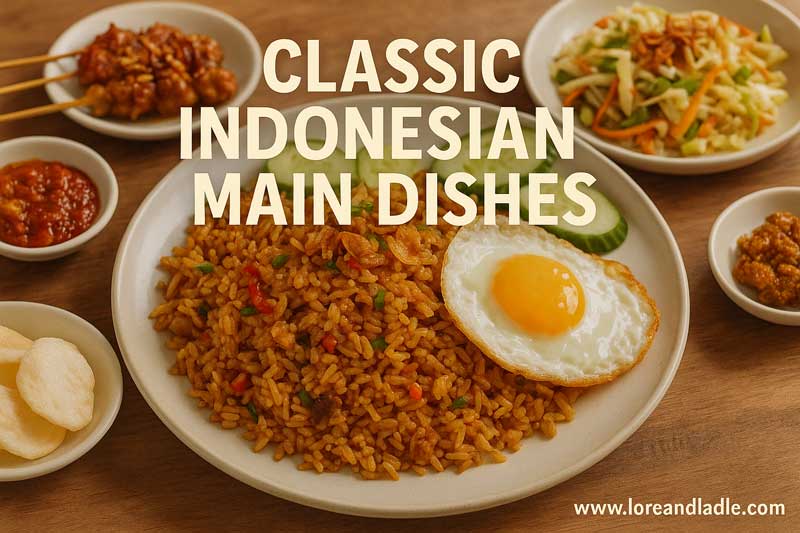
Nasi Goreng: A versatile fried rice that shines with garlic, onions, and a touch of sweet soy sauce. A simple egg on top or a few vegetables enriches the plate. Nasi Goreng celebrates resourcefulness—leftovers become a comforting, full-flavored meal. Its aroma draws people in and creates a sense of Home in any kitchen.
-
Mie Goreng: Stir-fried noodles with vegetables and a savory glaze. The dish can flex with additions like shrimp, chicken, or tofu, yet remains inexpensive and satisfying. The balance of wok aroma, a bit of heat, and a sweet-savory finish makes Mie Goreng a crowd-pleaser.
-
Sate (Satay): Skewered meat—commonly chicken or beef—marinated in a fragrant blend of spices and grilled to caramelized perfection. Served with peanut sauce, Sate is both economical and celebratory, a staple at gatherings and street stalls that fans in America enjoy in bite-sized portions as appetizers or main dishes.
-
Gado-Gado: A vibrant vegetable salad topped with a rich peanut sauce. This dish showcases the generosity of Indonesian vegetables and the joy of a savory-sweet sauce that ties all the components together. It is nourishing, colorful, and budget-friendly.
-
Tempe Goreng: Crunchy fried tempeh that offers protein at a low cost. Tempe’s nutty flavor and satisfying texture pair well with simple chili sauces or dipping greens, making it a popular staple in many kitchens.
-
Sayur Asem: A tangy soup with tamarind and vegetables. Its bright, refreshing character makes it a comforting choice for lighter meals and cozy gatherings, underscoring how Indonesian cooking can be both uplifting and economical.
How to Enjoy: Serving Ideas and Pairings
To savor these dishes fully, pair them with fresh herbs, lime wedges, and a crisp cucumber salad. A mildly spicy sambal can brighten the plate without overwhelming delicate fish or vegetables. Rice or light noodles can accompany dishes like Nasi Goreng and Mie Goreng for a satisfying, balanced meal. For beverages, a cool lime-infused water, a jasmine tea, or a light coconut drink complements the flavors beautifully. The goal is to let the natural brightness of the ingredients shine, while the spice blends provide depth and character.
A Friendly Invitation to Flavor
Indonesian budget-friendly dishes like Ikan Bakar invite kitchens to explore colorful, uplifting flavors. They celebrate harvest, sea air, and careful technique, all while keeping meals accessible and enjoyable. In America, these dishes become a bridge between taste and tradition, offering nutritious options that honor the craft of cooking. Whether shared with family, friends, or neighbors, they create moments of connection through aroma, texture, and taste.
Conclusion: The Beauty of Indonesian Flavor in Everyday Life
Ikan Bakar and its companion dishes demonstrate how simplicity and care can yield remarkable flavor. The cooking tradition honors fresh ingredients, thoughtful preparation, and generous servings for all. In American kitchens and communities, these dishes stand as warm reminders that good food can be affordable, delicious, and culturally rich at the same time. By embracing these recipes, home cooks experience the authentic joy of Indonesian culinary artistry and its enduring appeal.