
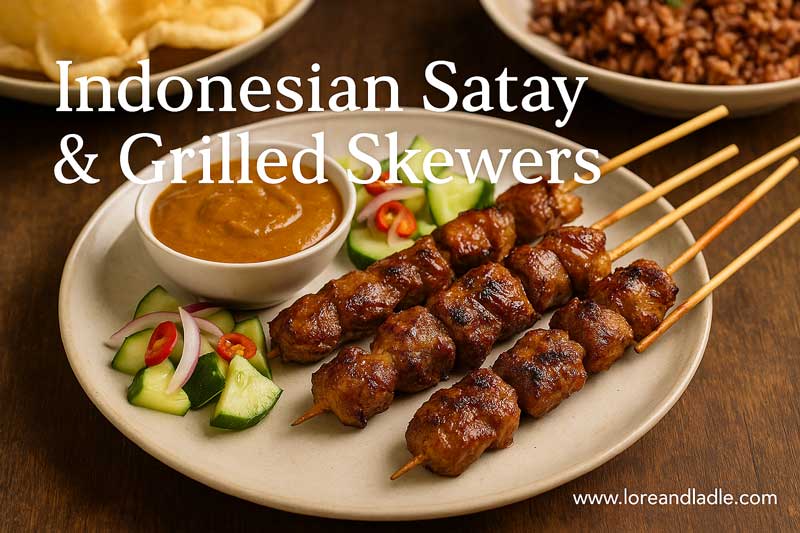
Ikan Bakar and Indonesian Satay & Grilled Skewers Favorites for Indonesian Food Fans in the U.S.: A Look at Flavor, Culture, and Craft
This post introduces Ikan Bakar and Indonesian Satay & Grilled Skewers Favorites for Indonesian Food Fans in the U.S. It invites readers to savor how these dishes carry cultural value and culinary meaning. The focus stays on warmth, technique, and shared meals.
The essence of Ikan Bakar
Ikan Bakar centers on fresh fish kissed by fire and bright, fragrant spices. The fish is coated with a bumbu—the spice paste—that blends garlic, shallots, turmeric, lemongrass, and lime leaves. Then it grills over charcoal until the skin is crisp and the meat stays moist. The aroma tells a story of open markets, morning fish, and a grill that welcomes friends and family. The ritual is simple yet powerful: clean fish, a lively paste, a hot grill, and the pause that follows as everyone waits for the first bite. This dish celebrates freshness, balance, and the joy of a shared table.
Satay and grilled skewers: a versatile favorite
Indonesian Satay and Grilled Skewers cover many regional styles, from the charcoal finish of meat skewers to skewers with vegetables or tofu. The core idea is universal: bite-sized pieces grilled on skewers, then served with a sauce that brightens and ties flavors together. In many homes and stalls, peanut sauce—often creamy with a touch of tamarind and palm sugar—becomes the signature accomplice. The variety is its beauty: chicken, beef, lamb, or fish; different spice blends; and sauces that range from nutty and sweet to tangy and spicy. This diversity shows how a single cooking method can express many local tastes while keeping a shared spirit of social eating. For Indonesian food fans in the U.S., these skewers offer a familiar yet exciting bridge to home flavors found on grills and in kitchens across the country.
The marinade craft and grilling technique
The heart of both Ikan Bakar and Satay lies in careful seasoning and precise grilling. The bumbu for Ikan Bakar often includes garlic, shallots, coriander, turmeric, and kaffir lime. For Satay, the marination may feature coriander, cumin, turmeric, garlic, and chili, with a hint of palm sugar. The goal is to permeate the meat or fish with aroma and depth, then finish with a smoky edge from the grill. The grilling itself matters: steady heat, a bit of oil on the surface to prevent sticking, and turning at just the right moments to keep the interior tender while developing a caramelized exterior. When done well, the dish carries a soft heat, a kiss of sweetness, and a bright finish from lime or fresh herbs. The technique connects cooks with centuries of practice, yet remains accessible to home kitchens.
Flavor profiles and culinary significance
Listen to the flavors. Ikan Bakar offers a smoky, citrusy, and herbaceous profile that honors the sea. Satay brings a nuttiness and a balance of salt, sweet, and heat, with the sauce acting as a unifier. Together, these dishes illustrate how Indonesian cuisine uses fire and spice to create harmony. They teach a respect for texture—crisp edges, juicy centers, and a sauce that gleams against the meat. They also reflect hospitality: a pot of sauce, skewers arranged for sharing, and the moment when each bite invites conversation and laughter. The culinary significance lies in how technique and flavor invite togetherness, turning a simple meal into a cultural ritual.
In the United States: a place for these flavors to shine
In the U.S., Indonesian restaurants and Home Cooks present Ikan Bakar and Satay as vibrant expressions of Indonesian food culture. Fresh fish or chicken is common, but the core ideas travel well to other proteins and even vegetables. Ingredients like lemongrass, galangal, and palm sugar are increasingly available in specialty markets, while modern supermarkets offer convenient substitutes that keep the recipes faithful in spirit. The result is dishes that feel both exotic and approachable, inviting new diners to explore Indonesian flavor profiles. For fans, these dishes become a comforting reminder of home cooking and an exciting invitation to try something new.
Serving ideas and best pairings
Serve Ikan Bakar with white rice, a squeeze of lime, and a side of crisp cucumber relishes to brighten the palate. Satay shines with a generous spoon of peanut sauce and a small plate of pickled vegetables. Both dishes pair well with fresh herbs, a bright chili kick, and a light salad to balance the richness. For a balanced table, offer steamed rice, a simple sambal, and a cooling yogurt or cucumber component. The combination highlights texture, aroma, and the interplay of sweet, sour, and spicy notes.
Practical tips for home cooks in the U.S.
- Choose fresh fish with clear eyes and firm flesh for Ikan Bakar. If you use chicken or beef for skewers, cut uniform pieces for even cooking.
- Massage the bumbu well into the protein. Let it rest for at least 30 minutes, up to a few hours for deeper flavor.
- Use a charcoal grill if possible for authentic smoky notes. If indoors, a grill pan or broiler offers a close parallel.
- Keep sauces at hand. A good peanut sauce should be slightly thick, with a hint of tamarind or lime to lift the flavors.
- Experiment with availability. If lemongrass or pandan is hard to find, citrus zest and a touch of vanilla can offer a gentle, complementary aroma.
A welcoming invitation to the table
Ikan Bakar and Indonesian Satay & Grilled Skewers are more than dishes. They are a celebration of fire, spice, and shared moments. They invite cooks to honor fresh ingredients, to respect technique, and to welcome others to the table with warmth and curiosity. In the United States, these foods carry a proud sense of place and purpose: to connect diners with the beauty of Indonesian flavors through accessible, social, and joyful meals. Enjoy the aroma, savor the textures, and relish the culture that cooks begin anew with every grill.