
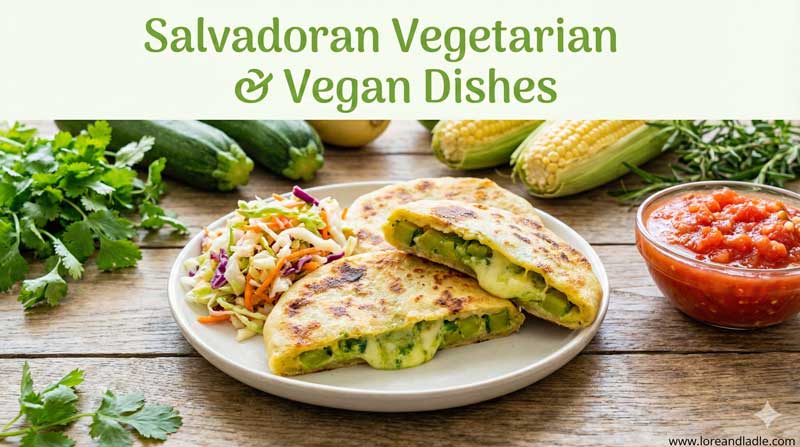
Hosting Friends? Impress Them with vegan bean and veggie pupusas
This dish invites friends to share in a warm moment of flavor and craft. The name itself signals a promise: approachable, flavorful, and inviting. Each bite blends earthy beans, fresh vegetables, and a kiss of corn aroma. The method is simple, yet the result feels celebratory. The hands shape them, forming a small ritual that builds care. They fit into a casual gathering or a festive table with equal grace. The vegan fillings highlight plant-based cooking as a celebration of color and texture. In many kitchens, making pupusas becomes a social activity that sparks conversation.
A dish rooted in community and craft
Pupusas anchor Salvadoran street and home cooking. The dough, made from finely ground corn, carries a bright corn aroma. The filling transforms everyday Pantry Staples into a comforting meal. Families pass down kneading and sealing techniques with quiet pride. The act of sharing pupusas echoes the rhythm of gatherings and celebrations. Each batch reflects the region’s seasonal produce and local flavors. The recipe adapts to vegan demands, proving versatility without losing soul. The dish stands as a bridge between simple ingredients and soulful taste.
Filling the Pupusa: vegan beans and vegetables as heart
The filling centers on beans, vegetables, and a hint of herbs. Black beans add creaminess and protein, while onions bring sweetness. Peppers, corn, and leafy greens introduce color and crunch. Spices, garlic, and a touch of salt bind the flavors without overpowering them. The result Is a compact pocket with a rich inner glow. When the pupusa cooks, the filling steams gently, releasing aroma. The vegan approach honors dietary choices while preserving depth. It demonstrates how humble ingredients can compose a satisfying, balanced dish.
Masa and texture: the heart of the craft
The masa forms the cradle for the filling and sets the structure. Corn flour, water, and a pinch of salt create a pliable dough. The dough must be soft yet firm, never crumbly or stiff. Hands press and rotate to shape a neat circle without tearing. The seal must hold, revealing a smooth seam when cooked. When the pupusa hits the hot surface, the outside crisps while the inside stays tender. A gentle flip ensures even browning on both sides. The technique earns quiet admiration as a craft passed along by cooks.
Serving rituals: curtido, salsa, and hospitality
Pupusas arrive with curtido, a tangy cabbage slaw, and a tomato sauce. Curtido adds brightness, crunch, and a breath of acidity. The sauce provides a mellow, peppery warmth that balances richness. The pairing elevates the meal beyond a simple snack. Hosts arrange a warm platter, inviting guests to share and choose. The act of serving becomes a moment of connection and care. The color contrast—golden pupusas, pale curtido, red sauce—pleases the eye. This trio creates a sensory cue that marks a thoughtful gathering.
A modern table: making it yours
The vegan bean and veggie pupusas adapt to many menus and seasons. They welcome guests of varied diets without slowing prep. The dish invites curiosity about regional flavors and techniques. You can swap fillings while preserving the core craft and texture. A pupusa bar gives guests a chance to participate and customize. Fresh toppings spark conversation and shared joy. The experience values tradition while inviting personal style. In modern kitchens, this dish shines as a symbol of hospitality and craft.