
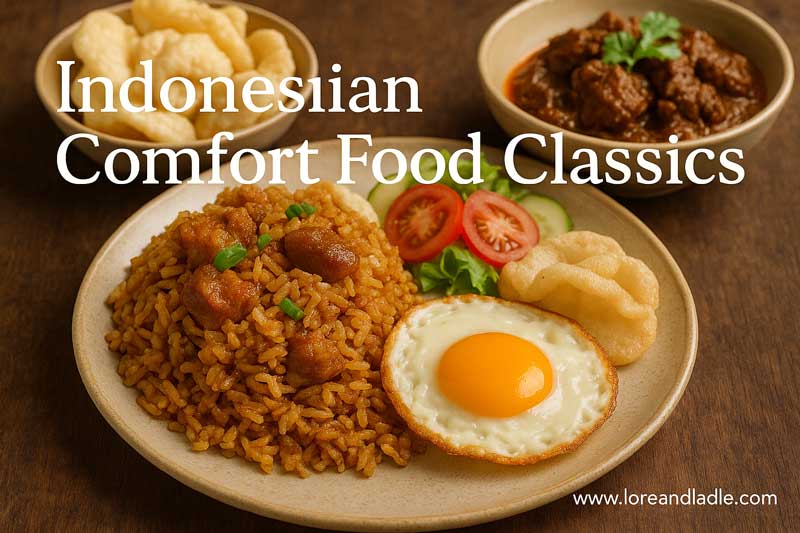
Chicken Coconut Curry and Other Family-friendly Indonesian Dishes Loved in America invites readers into a warm corner of Indonesian cooking. These dishes bring creamy richness, bright aromatics, and comforting textures to family meals. They are celebrated for their approachable flavors and the sense of togetherness they nurture around the table.
The Chicken Coconut Curry: A Comfort in a Bowl
This dish centers on tender chicken bathed in a silky coconut curry sauce. The velvety coconut milk mingles with garlic, onion, ginger, and a gentle blend of spices to create a sauce that coats rice and vegetables beautifully. In American kitchens, this curry often becomes a weekly staple because it is easy to prepare, adapts to family sizes, and fills the kitchen with an inviting aroma. The dish embodies hospitality: a bowl shared among loved ones becomes a small ceremony of care and nourishment. The balance of creamy sweetness and savory depth makes it welcoming to young palates while still rewarding curious palates with layers of flavor.
Core Ingredients and Techniques
Key components include coconut milk, chicken (usually thighs for tenderness), garlic, shallots, and fresh ginger. Turmeric adds a warm glow, while coriander and cumin lend gentle earthiness. Lemongrass and kaffir lime leaves bring citrusy brightness, and a touch of chili or chili paste offers subtle heat. Many home cooks in America find it simple to source these ingredients in mainstream markets. The technique centers on building flavor in stages: sauté aromatics, bloom spices, simmer with coconut milk, and finish with a quick reduction to thicken the sauce. This method showcases a classic Indonesian principle: patience in cooking yields depth in every bite.
A Cultural Canvas: How Flavor Tells a Story
Indonesian flavor is known for balance. Sweet coconut, savory aromatics, bright citrus, and a gentle warmth come together to tell a story of everyday life and hospitality. The method of simmering allows the sauce to thicken and the chicken to absorb the spice’s warmth. Fresh herbs and aromatics lift the dish, giving it a lively aroma that signals a welcome meal. In homes across America, the curry becomes more than food; it becomes a reminder of shared meals, careful preparation, and the joy of inviting others to the table. The dish also demonstrates how Indonesian cuisine embraces creamy textures without heaviness, making it satisfying at any family table.
Regional Notes: Java, Sumatra, Bali
Indonesia’s culinary landscape offers regional variations that still honor a common technique. Java tends to favor a balanced, slightly sweeter profile with gentle heat. Sumatra may lean toward a deeper, more robust spice and a richer coconut layer. Bali emphasizes vibrant aromatics and a bright finish from citrus leaves and fresh herbs. In America, cooks often blend influences from their preferred region or simply embrace a flexible, home-friendly approach. These adaptations highlight the dish’s versatility and its capacity to be customized while preserving its core character.
Family-friendly Qualities: Texture, Aroma, Balance
Creamy coconut and tender chicken create an inviting mouthfeel that appeals to kids and adults alike. The sauce is fragrant but not overpowering, thanks to the careful use of spices. The dish offers a gentle heat that can be controlled to suit the family’s preference. Served with rice or steamed vegetables, it forms a complete meal that is easy to portion for children. The aroma—coconut, citrus, and warm curry—becomes a signal that a comforting, thoughtful meal is ready.
Pairings and Presentation
Serve the curry over steamed jasmine or basmati rice for a clean backdrop that lets the sauce shine. Add a crisp side of steamed greens or a simple cucumber salad for contrast. A squeeze of lime enhances brightness, while fresh cilantro tops the dish with a cheerful green note. For little ones, a milder version can be prepared with reduced heat and a thicker sauce. Presentation matters too: a bright dish in a warm bowl invites sharing and conversation.
Beyond the Plate: Food as Shared Experience
Food communicates care and culture. When families gather to enjoy Chicken Coconut Curry, they participate in a ritual of nourishment and connection. The process—measuring ingredients, simmering, and dipping with a spoon—becomes a shared activity that fosters conversation and togetherness. This sense of community is a hallmark of Indonesian cooking and is echoed in American homes that welcome friends and relatives to the table. The dish therefore serves as a bridge between flavors and friendships, inviting conversation and mutual appreciation for skill, warmth, and hospitality.
Other Family-friendly Indonesian Dishes Loved in America
- Nasi Goreng (Indonesian Fried Rice): A versatile, crowd-pleasing dish. Gentle soy seasoning, vegetables, and a touch of sweetness make it approachable for all ages. It demonstrates how simple pantry staples can become a satisfying one-pan meal.
- Ayam Goreng (Indonesian Fried Chicken): Crispy on the outside, tender inside. This dish highlights the joy of crisp textures and a comforting, familiar crunch that appeals to Family Dinners and casual gatherings.
- Soto Ayam (Chicken Soup): A clear, fragrant broth with shredded chicken, herbs, and noodles. Its lightness and balance of flavors make it a soothing option that families can enjoy any time.
- Gado-Gado (Peanut Sauce Salad): A colorful plate of vegetables with a creamy peanut dressing. The dish celebrates balance—crisp vegetables, savory peanut sauce, and a touch of lime brightness—encouraging healthy choices without sacrificing taste.
- Tempeh or Tofu Dishes (as plant-based options): Indonesian cooking offers satisfying plant-based choices that pair well with coconut-based sauces and fresh herbs, appealing to diverse family meals.
Conclusion
Chicken Coconut Curry and its family-friendly companions reveal a cuisine rooted in warmth, balance, and thoughtful preparation. The dishes honor simple ingredients and practical techniques while offering depth that invites curiosity and delight. In American homes, these plates become more than meals; they become weekly rituals that nourish the senses and strengthen the sense of togetherness. By embracing the flavors, textures, and aromas, families celebrate Indonesian culinary heritage in a way that is accessible, respectful, and deeply enjoyable.