
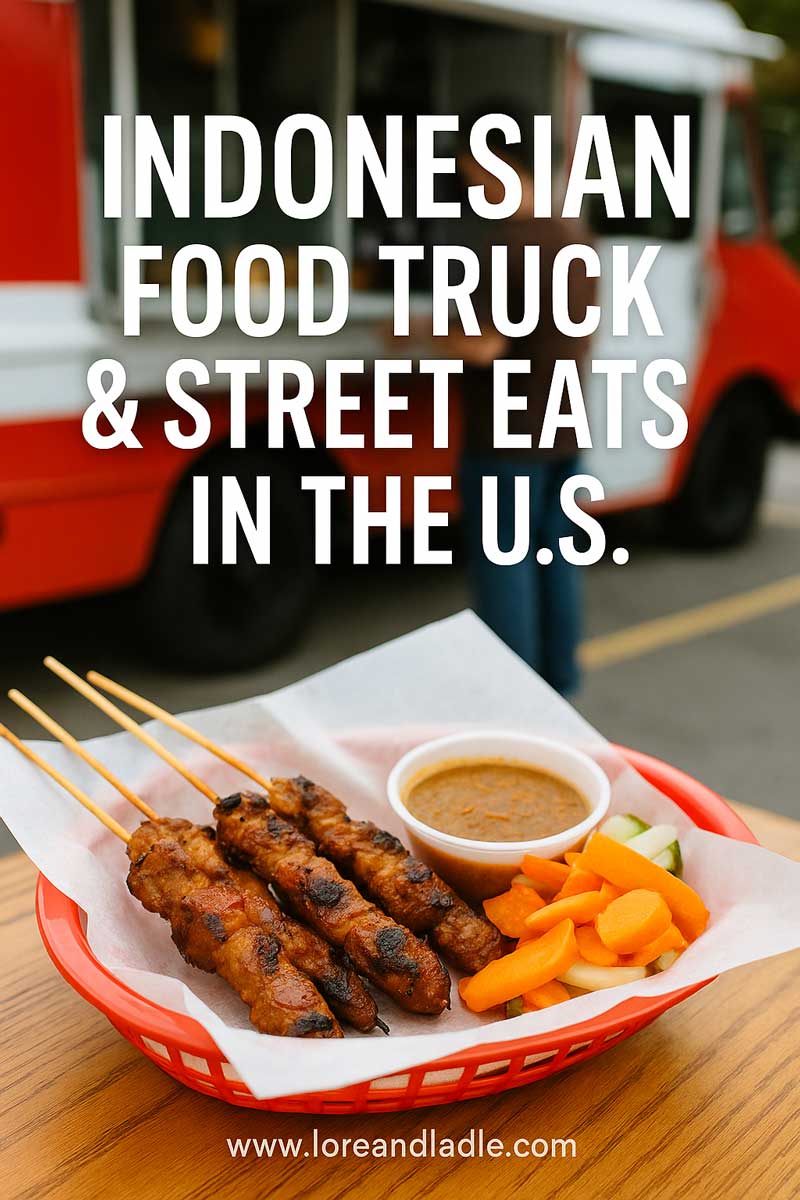
A Window into Indonesian Street Eats
This post introduces a dish with a memorable name: Easy Indonesian Indonesian Food Truck & Street Eats in the U.S.: Sambal Shrimp and More to Impress Your Friends. The dish stands out for its cultural value and culinary significance. It celebrates Indonesian flavors in a form that travels well, delivering warmth, brightness, and a sense of community to any table. The approach is simple yet profound: bold flavors, careful technique, and a spirit of sharing that makes street food both a daily delight and a special treat. Read on to explore how this dish embodies a living food culture that welcomes everyone to taste and appreciate.
The Sambal Soul: Heat, Freshness, and Depth
Sambal is the heart of this dish. It blends chili heat with fresh aromatics, balancing tang, sweetness, and savoriness. The aim is not to overwhelm but to illuminate the ingredients beneath. Fresh garlic and shallots bring aroma, while citrus elements add lift. A touch of shrimp paste or fermented elements can deepen the savory backbone without dominating the plate. This combination creates a bright, multi-layered sauce that carries the shrimp from the pan to the plate with grace. The result is a sauce that respects technique and patience, letting each component sing in its own time. In this way, sambal becomes more than a condiment; it is a seasoning philosophy that unites heat, aroma, and umami in a single, memorable pulse.
Shrimp on the Grill: Craft and Texture
Shrimp serves as a delicate canvas for Indonesian flavors. The cooking method emphasizes short, high-heat sears that caramelize the exterior while preserving juicy tenderness inside. Marinade ideas are simple: a whisper of salt, a dash of sugar or palm sugar for caramel, and a splash of lime or vinegar for brightness. The goal is to create a light crust that captures the sambal’s tangy, spicy character. When cooked well, shrimp offer a quick, clean bite that contrasts beautifully with the saucy, vibrant sauce. This balance—snappy texture with open, juicy flavor—speaks to a universal appreciation of seafood treated with respect and precision. The technique honors tradition while inviting home cooks to participate in a shared culinary moment.
Street Eats as Cultural Expression
Food trucks and street stalls are dynamic stages for Indonesian flavors. They bring rapid-fire technique, aroma, and hospitality directly to streets, parks, and markets. In this setting, the dish becomes a conversation between cooks and guests. People gather, share, and ask for seconds, and the experience becomes more than a meal. It is a micro-celebration of flavor exploration, curiosity, and community. The dish travels with the wind and blends with local produce, inviting improvisation without losing its core identity. This portable, accessible form of Indonesian cuisine demonstrates how street food can carry cultural value into everyday moments, weaving tradition into contemporary dining.
Indonesian Techniques, Modern Palates, in the U.S.
The dish bridges culinary worlds by showcasing Indonesian technique in a flexible setting. The use of aromatics, fresh herbs, and a bright, peppery sauce demonstrates how traditional flavor principles translate across continents. Even in a food truck or street stall setting, careful balance remains essential: the heat should wake the palate without overpowering the shrimp; acidity should lift the dish; sweetness should gild rather than dominate. This thoughtful balance teaches new eaters about Indonesian seasoning logic—where elements harmonize to create a cohesive bite—while offering a taste of home for those who grew up with similar flavors. The result is a respectful, inviting portrait of Indonesian cooking that travels well and endears itself to diverse audiences.
Pairings, Presentation, and Social Enjoyment
What accompanies Sambal Shrimp on a plate matters as much as the sauce itself. A simple bed of steamed rice or coconut-inflected rice creates a comforting base that soaks up the sauce and carries the dish forward. Crisp vegetables or pickles provide a refreshing contrast and color. A lime wedge invites a final brightness, and fresh herbs such as cilantro or scallions add a green lift. The presentation should be clean and inviting, highlighting the glossy shrimp and the vivid red-orange hue of the sambal. This emphasis on balance—color, aroma, texture—reflects a broader culinary value: food that stimulates the senses while inviting conversation and appreciation. The dish thus becomes an anchor for shared meals, playful tasting, and respectful enjoyment among friends.
A Bridge Between Kitchens: Indonesian Methods in American Settings
The dish demonstrates how Indonesian cooking can be interpreted with flexibility and warmth in American street-food environments. It honors the essence of Indonesian flavor without strict rigidity, allowing cooks to adapt to local ingredients and preferences. In doing so, it teaches improvisation with reverence: use fresh chilies when possible, adjust heat to taste, and stay attentive to texture. This adaptability is a cultural strength, showing that Indonesian culinary values—freshness, balance, and hospitality—can thrive wherever there is curiosity and good company. The dish thus functions as a cultural ambassador, welcoming new diners to the joys of Indonesian street cuisine.
Tips for Home C chefs: Bringing the Experience Home
- Start with fresh ingredients: bright chilies, garlic, shallots, and a splash of lime set the stage for a vibrant sambal.
- Build the sauce in layers: sauté aromatics, then fold in chili with a touch of salt and sugar, finishing with a fresh squeeze of citrus.
- Cook shrimp quickly: a hot pan, quick turn, and a seasoned finish keep texture lively and succulent.
- Taste and adjust: a little sugar can soften heat; a splash of vinegar or lime can sharpen the brightness.
- Pair thoughtfully: serve with plain rice, crunchy vegetables, and a simple herb garnish to balance the heat.
- Keep it accessible: use bottled sambal as a base if desired, then customize with fresh aromatics to add personality.
In Closing: Celebrating Flavor, Craft, and Community
Easy Indonesian Indonesian Food Truck & Street Eats in the U.S.: Sambal Shrimp and More to Impress Your Friends offers more than a tasty dish. It reveals a philosophy of cooking that blends careful technique with generous hospitality. It invites home cooks to explore Indonesian flavors in a friendly, approachable way, while reminding diners that food is a shared experience. The dish honors tradition through technique and ingredients, and it invites innovation through setting, pairing, and presentation. In doing so, it becomes a memorable expression of culinary culture—rich, welcoming, and confidently crafted for today’s table.