
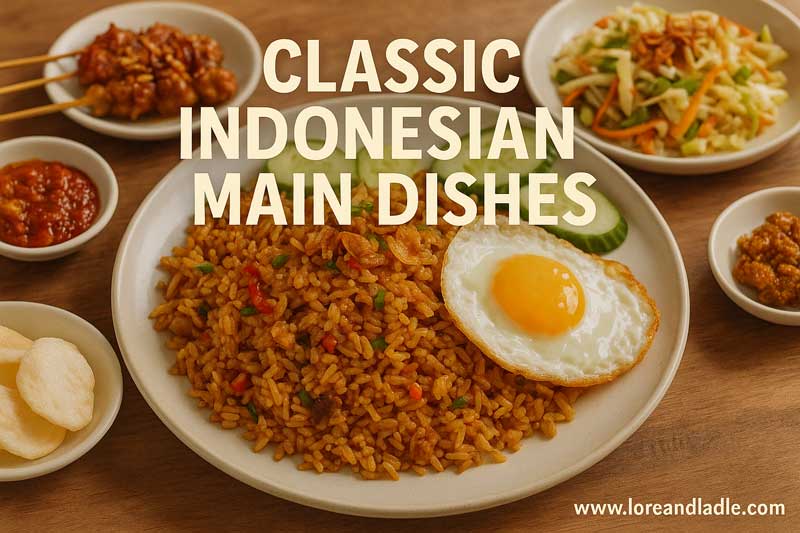
Introduction to a beloved Indonesian classic
Indonesian Fried Chicken Wings: An Restaurant-style Indonesian Classic to Try in the U.S. invites you to experience a beloved dish that blends bold flavors with precise technique. This dish shines in both casual meals and refined menus, offering a glimpse of Indonesian cooking through a familiar, crave-worthy form. The wings arrive crisp and glossy, and they carry a balance of sweet, savory, and spicy notes that showcase the country’s skill at layering flavors. This post highlights the cultural value and culinary significance behind the dish, inviting you to savor its artistry in a restaurant setting or at Home.
What makes this dish special
What makes Indonesian fried wings stand out is how simple components work in harmony. A bright, glossy glaze derived from kecap manis creates a sweet-soy backbone. Garlic, shallots, and pepper give aromatics that wake the senses. A touch of chili adds warmth without overwhelming the palate. The result is a wing that carries depth from the seasoning and a crisp, satisfying finish from careful frying. The beauty lies in the balance: a lively glaze, a delicate crunch, and a juicy interior. This combination has earned wings a respected place on the Indonesian table, both in street stalls and in more formal dining rooms.
Flavor, technique, and texture
The technique centers on a two-step approach. First, the wings are seasoned and allowed to rest, inviting the aromatics to permeate the meat. Next, the wings are fried to a golden crust, then given a final glaze that clings to every surface. The glaze often blends kecap manis with soy, garlic, and a hint of lime juice, producing a lacquer that shines as you bite. Sesame seeds or sliced chilies may finish the plate, adding color and a final warm note. The texture sequence—crisp exterior, succulent interior, and a glossy glaze—delivers a satisfying contrast that fans of Indonesian cooking seek in restaurant servings.
Regional voices within Indonesian cuisine
Indonesia’s diversity shines in how this dish appears across regions. In Java, you may find a brighter glaze with a subtle sweetness that mirrors local palates. On Bali or Sumatra, additional aromatics and peppery notes can brighten the profile. Though the core technique is consistent, cooks adapt the spice mix and glaze to reflect local herbs and seasonings. This variety is a testament to Indonesian culinary versatility: a single preparation can take different forms while preserving its essential identity. The wings thus tell many regional stories in a single dish.
The restaurant-style experience
In a restaurant setting, Indonesian Fried Chicken Wings are often presented as a focused tasting plate or as a lively shareable option. The crisp exterior and lacquered glaze invite you to savor first the aroma, then the first bite. Garnishes such as sesame seeds, a lime wedge, and fresh herbs heighten aroma and balance. The dish pairs well with a simple side of steamed rice or a crisp cucumber salad, which cut through the glaze’s richness. In many menus, chefs layer the plate with intention, making each wing look as inviting as it tastes. The result is a refined version of a familiar favorite, served with the hospitality and care that define Indonesian dining.
Cultural value and social joy
This dish embodies a spirit of hospitality. It represents how a family recipe or a chef’s adaptation can bring people together around a shared plate. The act of frying and glazing becomes an expression of craft, patience, and pride in technique. The aroma—garlic, sweet soy, and a hint of heat—draws people to the table, inviting conversation and appreciation. Sharing wings creates a moment of connection, where friends and family exchange stories while enjoying a dish that is both comforting and exciting. In this way, the wings are more than a meal; they are a celebration of Indonesian culinary craftsmanship.
Enjoying Indonesian Fried Chicken Wings in the U.S.
Across the United States, you’ll find Indonesian wings on menus that emphasize authentic flavors and thoughtful execution. When you order, look for the lacquered glaze and a crisp crust as signs of a well-made wing. If you’re cooking at home, you can recreate the spirit by marinating with garlic and shallots, then finishing with a kecap manis glaze. Serve with a bright salad or pickled vegetables to balance the sweetness. For a complete Indonesian dining experience, pair the wings with a simple rice dish and a cooling cucumber relish. The dish travels well, carrying a sense of place and care that resonates with kitchens far from Indonesia.
A concise guide for home cooks and readers
- Start with a gentle spice rub that includes garlic, shallots, and black pepper.
- Fry carefully to achieve a crisp exterior without drying the meat.
- Create a glossy glaze with kecap manis, a splash of lime, and a touch of chili.
- Finish with sesame seeds or fresh herbs for aroma and color.
- Plate with a light accompaniment to balance richness, such as rice or vegetables.
Conclusion: inviting exploration
Indonesian Fried Chicken Wings: An Restaurant-style Indonesian Classic to Try in the U.S. offers a delicious doorway into Indonesian flavors and technique. The dish embodies balance, craft, and hospitality—the hallmarks of great Indonesian cooking. Whether you enjoy it in a restaurant setting or recreate it at home, you’re witnessing a celebration of texture, aroma, and savory-sweet harmony. It’s a dish that invites curiosity, respect, and shared enjoyment at the table.