
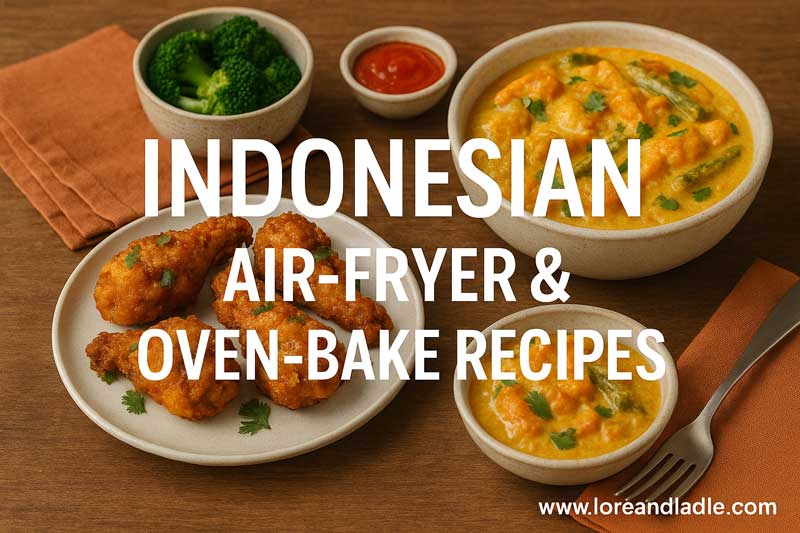
A Flavorful Introduction to the Dish
Indonesian Peanut Noodle Bowls and Indonesian Air-Fryer & Oven-Baked Recipes Favorites for Indonesian Food Fans in the U.S. invite readers into a dish that blends warm, nutty sauce with crisp vegetables and fragrant herbs. This bowl is a natural expression of Indonesian hospitality, where a single plate balances sweetness, salt, brightness, and heat. In homes and cafes across Indonesia, these flavors tell a story of everyday life: quick meals that please the palate, shared with friends and family, and adapted to many kitchens. For Indonesian food lovers in the United States, the dish becomes a familiar yet adventurous bridge between tradition and modern convenience.
The Core Elements of Indonesian Peanut Noodle Bowls
A well-crafted peanut noodle bowl rests on a few core elements, each chosen to harmonize texture and taste:
- Noodles: usually a neutral base such as egg noodles or wheat noodles, cooked to just al dente for a lively bite.
- Peanut sauce: a creamy, roasted-peanut foundation enriched with sweet soy or kecap manis, garlic, chili, and a touch of palm sugar or brown sugar. A splash of lime or tamarind adds tang.
- Fresh vegetables: cucumber, bean sprouts, shredded cabbage, and herbs brighten the bowl with crunch and aroma.
- Protein options: roasted chicken, tofu, or tempeh offer substance while keeping the dish approachable for many diets.
- Finishing touches: fried shallots, chopped peanuts, scallions, and lime wedges heighten aroma and texture.
In every region, cooks adjust the sauce’s sweetness and sourness to suit local palates. The result is a versatile canvas that welcomes personal touches without losing its distinctive Indonesian essence.
Techniques that Shape Texture and Aroma
Technique defines the appeal of these bowls. Begin with roasting or frying peanuts to deepen their flavor, then grind them into a paste that becomes the sauce’s backbone. Simmer the paste with garlic, chilies, and a hint of tamarind or lime for brightness. Meanwhile, boil noodles until they are just tender, then rinse lightly to keep a firm bite. Crisp toppings—fried shallots or roasted peanuts—provide welcome contrast to the creamy sauce.
Balance also matters. The sauce should cling to the noodles, not overwhelm them; vegetables should stay crisp; herbs should lift the aroma. Finally, assemble the bowls with care: place noodles in bowls, scatter vegetables, drizzle sauce, and crown with crunch. The act of plating reinforces a cultural idea of sharing a well-rounded, nourishing meal.
Regional Inspirations Within Indonesia
Indonesia’s vast archipelago offers a mosaic of flavors that influence peanut noodle bowls. In urban centers, cooks blend street-food speed with home-cooked warmth. Some regions favor a sweeter note from kecap manis, while others lean toward a tangy brightness from lime or tamarind. The sauce may carry a whisper of roasted peanuts, sesame, and garlic, with chili giving just enough heat to awaken the senses. Toppings vary by neighborhood and season, but the guiding principle remains: balance the creamy richness with fresh crunch and a lively aroma.
Modern Twists: Air-Fryer and Oven-Baked Favorites
A contemporary approach brings Indonesian flavor into modern kitchens with air-fryer and oven-baked methods. Air frying shines in two practical ways: it crisps tofu or chicken bites for protein, and it browns fried shallots and peanuts for extra crunch without deep fat. Oven-baking offers a reliable path to uniform texture: bake marinated chicken or tofu until juicy inside and lightly caramelized outside, then nestle them atop noodles with generous sauce and vegetables. These methods preserve the dish’s essential aroma and texture while catering to Home Cooks seeking convenience and consistent results.
Making It Possible in the United States
In the United States, fragrant ingredients travel easily into the kitchen. For authenticity and flexibility, consider these tips:
- Peanut sauce base: use roasted peanuts, peanut butter, or a blend; add kecap manis if available, or replace with a mix of soy sauce and a touch of molasses.
- Sweetness and tang: palm sugar can be substituted with brown sugar; tamarind can be swapped for a squeeze of lime with a pinch of sugar.
- Texture: keep noodles slightly firm and crisp toppings handy for last-minute add-ons.
- Substitutions: tofu and tempeh offer plant-based protein; chicken remains quick and familiar for many cooks.
With these adjustments, the dish retains its Indonesian character while staying accessible to cooks across the United States.
A Shared Table: Cultural Significance and Everyday Joy
This peanut noodle bowl celebrates a spirit of sharing. It invites families to gather, set out bowls, and customize each plate with preferred toppings. The dish’s color, aroma, and balance invite conversation and curiosity about flavors. It also stands as a testament to culinary pragmatism: a comforting, nourishing meal that fits busy days and invites experimentation. For Indonesian food fans in the U.S., it offers a reliable way to honor tradition while embracing home kitchen convenience. In every bite, the bowl communicates hospitality, warmth, and the joy of good company around a shared meal.