
A Welcome to Grilled Coconut Rice Satay and Indonesian Noodle Favorites Favorites for Indonesian Food Fans in the U.S.
This dish duo invites you to explore two emblematic flavors from Indonesian cooking. Grilled Coconut Rice Satay and Indonesian Noodle Favorites Favorites for Indonesian Food Fans in the U.S. celebrate fragrant rice, smoky skewers, and lively noodles. The result is a feast of texture and aroma that feels both comforting and bright. In every bite, you sense a culture that values balance, craft, and shared meals.
Grilled Coconut Rice Satay: Fire, Fragrance, and Creamy Rice
Grilled Coconut Rice Satay centers on a creamy, coconut-infused rice and a tray of grilled skewers. The rice is cooked with coconut milk and a touch of pandan, which lends a gentle vanilla-like aroma. The result is a soft, glossy bed that soaks up sauces and enhances each bite. Satay skewers bring a smoky depth. Marinades use garlic, shallots, turmeric, coriander, and a touch of palm sugar to create a warm, inviting glaze. The skewers can feature chicken, beef, or tofu, allowing cooks to adapt to preferences while preserving the dish’s characteristic savor.
The accompanying sauce—often a savory peanut glaze—binds the meal with a toasty sweetness. You’ll find roasted peanuts, a hint of chili, and a whisper of lime to brighten the glaze. Together, the grilled meat, the fragrant coconut rice, and the peanut sauce offer a harmony of creamy, nutty, spicy, and smoky notes. The textures matter too: the tender meat, the soft rice, and the thick, glossy sauce create a satisfying contrast that keeps the palate engaged.
Indonesian Noodle Favorites: A Colorful Tapestry on a Plate
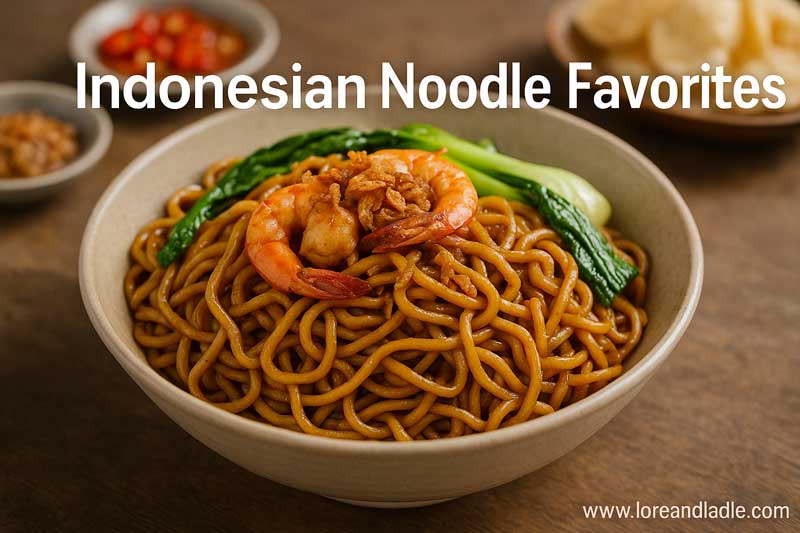
Indonesian Noodle Favorites Favorites for Indonesian Food Fans in the U.S. highlights the country’s beloved noodle styles. Mie goreng and kwetiau goreng are common stars, turning into quick, vibrant dishes when cooked in a hot wok. Noodles meet a savory-sweet balance from kecap manis (sweet soy), garlic, shallots, and a kiss of chili. Vegetables—carrots, cabbage, scallions, and bean sprouts—provide color and crunch, while proteins like chicken, eggs, or shrimp add depth.
This noodle tradition favors speed and precision. The wok heats quickly, allowing noodles to seize a touch of caramelization while staying slippery and bright. Finishing touches—crushed peanuts, fried shallots, or slices of cucumber—add texture and freshness. The result is a lively plate that feels casual yet crafted, a reminder of street-side stalls and family kitchens where meals come together with speed and care.
Cultural Value: Hospitality, Balance, and Shared Moments
These dishes embody a spirit of hospitality. A simple meal becomes a ceremony of care when shared with friends and family. The coconut rice’s gentle sweetness and creamy texture reflect a love of comforting warmth, while the grilled satay adds a communal, social element through shared skewers. The noodles showcase versatility and regional character, with different ingredients and sauces signaling local preferences and seasonal offerings.
In Indonesian cooking, balance is essential. Sweet, salty, sour, spicy, and umami notes meet in harmony. The coconut milk provides richness without heaviness; the peanut sauce introduces depth and brightness; the chili adds a friendly spark. This balance translates into everyday life as well: a meal that invites conversation, appreciation, and a sense of belonging.
Techniques and Key Ingredients: Craft That Brings Flavor to Life
Mastery here comes from thoughtful technique and well-chosen ingredients. For the rice, coconut milk heightens aroma and flavor while a pandan leaf or a lime leaf subtly perfumes the steam. The satay skewers rely on a well-rounded marinade that respects the meat’s natural taste while introducing warmth and aroma. Grilling over charcoal or a hot grill adds a desirable char and smoky nuance that no other method fully replicates.
For the noodles, a blazing wok and a quick, well-timed stir fry deliver fragrance and texture. Kecap manis anchors the dish with sweetness and depth, while garlic, shallots, and chilies build a backbone of flavor. Fresh herbs, crisp vegetables, and optional proteins finish the plate with color and balance.
Serving Suggestions: Presenting the Duo with Care
To present Grilled Coconut Rice Satay and Indonesian Noodle Favorites beautifully, start with a generous bed of coconut rice. Arrange skewers alongside the rice so diners can dip or spoon sauce as they wish. For the noodles, place a neat mound or a generous serving on the side, with the sauce lightly coating the strands. Offer cucumber slices, tomato, and a small handful of fried onions or crushed peanuts for texture. A lime wedge or a touch of lime juice brightens the plate just before tasting. The overall presentation should feel inviting, with warm colors and a sense of abundance.
A Lasting Impression: Indonesian Food in the U.S.
This pairing showcases Indonesian flavors in a way that travels well and remains deeply rooted in its origins. The dishes invite curious cooks to explore ingredients, techniques, and textures that define Indonesian cuisine. They celebrate the beauty of seasonal produce, the craft of grilling, and the joy of sharing food with others. The result is a culinary experience that feels both intimate and expansive, a reminder of how food can bridge tastes and traditions.
If you are new to these flavors, start with the coconut rice and a small plate of satay, then gradually explore the noodles and their sauces. With each bite, you’ll discover the thoughtful balance at the heart of Indonesian cooking. Enjoy the warmth, the aroma, and the satisfaction of a meal made to be shared.