
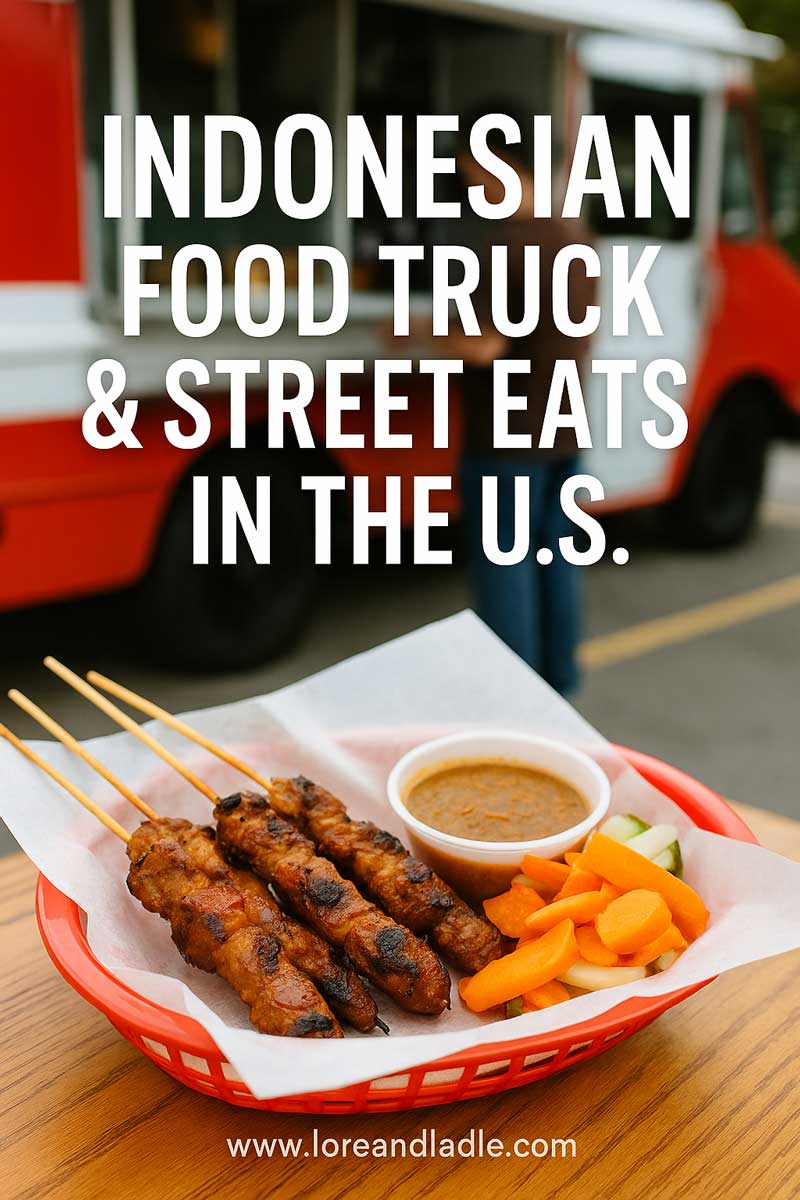
Introduction: A Bold Taste Tour of Indonesian Street Eats in America
This piece introduces the concept behind the dish “11 Indonesian Food Truck & Street Eats in the U.S. to Try If You Love Bold Indonesian Flavor.” It invites readers to explore how Indonesian flavors travel from home kitchens and markets into U.S. streets. The focus is on cultural value and culinary significance. These street eats offer a living expression of regional dishes, techniques, and shared meals that travel with cooks and communities. The experience is welcoming, respectful, and centered on the beauty of Indonesian food and its place in everyday life.
The Cultural Value of Indonesian Street Food
Indonesian street food is a tapestry woven from many islands, languages, and home kitchens. Each bite reflects memory, craft, and place. Vendors carry forward time-honored recipes, adapting them to local markets while preserving core flavors, textures, and methods. The street scene becomes a classroom where curious eaters learn about balance—sweet, spicy, sour, and salty—through aroma and taste. Sharing a plate or a pair of skewers creates a sense of community and connection, turning a quick meal into a cultural moment. In this way, the 11-item concept becomes more than a list; it is a curated invitation to understand how food can carry tradition, skill, and care from one city to another.
The Culinary Significance of Bumbu and Sambal
Two pillars anchor Indonesian street cuisine: bumbu (spice pastes and seasoning blends) and sambal (chili-based condiments). Bumbu combines aromatics such as shallots, garlic, galangal, turmeric, coriander, and candlenut with herbs like lemongrass and kaffir lime leaf. When heat is applied in a hot wok or clay pan, these ingredients release layers of fragrance that signal the dish’s depth before a single bite is taken. Sambal brings heat, brightness, and character. It varies by region and cook, from bright, fresh-chili notes to smoky, fermented contrasts. Together, bumbu and sambal guide the eater through a spectrum of flavors and textures, revealing how Indonesian cooks harmonize sweetness, spice, acidity, and savoriness in each dish. The culinary significance lies in technique and balance, echoing the careful attention paid to sourcing ingredients, tempering heat, and layering flavors for a lasting impression.
The Role of Food Trucks in Preserving Techniques
Food trucks and street stalls act as mobile kitchens that showcase craft in action. They preserve time-tested methods while inviting adaptation to new markets. The sizzle of a wok, the rhythm of a griddle, and the aroma of frying batter tell a story of skill honed over generations. Menus change with seasons and suppliers, yet the core techniques endure: searing meat for a gentle crust, blistering vegetables for brightness, slow-simmering sauces for depth, and crafting crisp crackers or emping to accompany dishes. This mobility allows cooks to share nuanced methods—how to achieve perfect nasi goreng with a hint of smokiness, or how to balance sambal with a bright citrus note—while keeping recipes approachable for people encountering Indonesian flavors for the first time. The result is a respectful celebration of technique, accessibility, and cultural pride.
Highlights from the 11 Dishes Concept: A Taste of Indonesian Street Eats
The concept of a curated list of 11 bold Indonesian street eats captures a wide spectrum of dishes commonly found at U.S. food trucks and stalls. While each truck adds its own twist, several familiar anchors often appear:
- Nasi goreng, the iconic Indonesian Fried Rice, which balances savory soy, aromatics, and a touch of sweetness.
- Sate or sate ayam, skewered grilled meat served with a fragrant peanut or sweet soy dipping sauce.
- Mie goreng, a wok-tossed noodle dish that emphasizes caramelized edges and bold seasoning.
- Rendang, a slow-cooked beef or coconut sauce dish that embodies depth and patience in cooking.
- Bakso, a comforting meatball soup with clear broth and chewy textures.
- Gado-gado, a vibrant salad bathed in a peanut dressing that mingles crunchy vegetables with tender greens.
- Soto ayam, a clear chicken soup enriched with spices and fresh herbs.
- Pempek, a fish cake from Palembang, often served with tangy vinegar or sweet sauce.
- Pepesan ikan, fish steamed in banana leaves with a fragrant spice paste.
- Ayam penyet, smashed fried chicken paired with chili-cucumber sambal for bold contrast.
- Kerupuk and bright sambal accompaniments that invite the palate to explore texture and heat.
These selections illustrate how Indonesian street food blends technique, seasonality, and regional pride into portable, shareable meals. The emphasis is on vivid flavors, crisp textures, and balanced seasonings that remain approachable to diners in American cities.
How These Flavors Shape American Palates
These bold Indonesian flavors offer more than novelty; they expand the culinary conversation in the United States. They introduce diners to a spectrum of spices, aromatics, and textures that complement local ingredients. The experience encourages curiosity about regional Indonesian cooking, from sweet-sour tamarind notes in certain sauces to the subtle earthiness of turmeric and galangal. By presenting familiar formats—rice bowls, noodles, skewers, soups—alongside distinctive seasoning blends, the dishes invite experimentation while delivering comfort. In this way, the flavors act as cultural ambassadors, fostering appreciation for technique, ingredient sourcing, and kitchen craft.
Practical Guidance for Experiencing Bold Indonesian Flavor
To truly savor the 11-item concept, approach the tasting with attentiveness and openness:
- Start with a small sample to gauge heat and aroma. Then, proceed with a fuller portion to experience balance.
- Notice the role of sambal. A dab can shift a dish from mild to bright and lively. Adjust according to your tolerance and preference.
- Observe texture contrasts. Crunchy toppings, tender meat, and silky sauces all contribute to the overall experience.
- Consider pairings. Fresh cucumber, lime, or herbal notes can lighten richer dishes. A cool beverage can refresh the palate between bites.
- Engage with cooks if possible. Learning about fresh ingredients, regional inspirations, and preparation methods adds depth to the tasting.
The Social and Cultural Value of Sharing Indonesian Food
Sharing Indonesian street eats creates a social ritual. Plates are often meant to be shared, inviting conversation about flavors, memories, and family recipes. The communal aspect reinforces hospitality, a core value in Indonesian food culture. Vendors often tailor offerings based on feedback, creating a dynamic exchange that respects tradition while welcoming new audiences. This creates a living dialogue between chefs, customers, and communities—an ongoing celebration of taste, technique, and storytelling.
Conclusion: A Respectful Celebration of Culinary Heritage
The idea behind “11 Indonesian Food Truck & Street Eats in the U.S. to Try If You Love Bold Indonesian Flavor” is to illuminate cultural value and culinary significance. Through bumbu and sambal, through craft and technique, and through the shared joy of tasting, Indonesian street food becomes a vibrant link between homes and cities. The street cart becomes a classroom; the kitchen, a stage where tradition and innovation meet. In welcoming these flavors into the American food scene, we honor the careful work of cooks, the richness of Indonesian culinary heritage, and the beauty of flavorful, well-made dishes. This is more than a list of foods; it is a celebration of culture, craftsmanship, and the universal delight of good food shared with friends.