
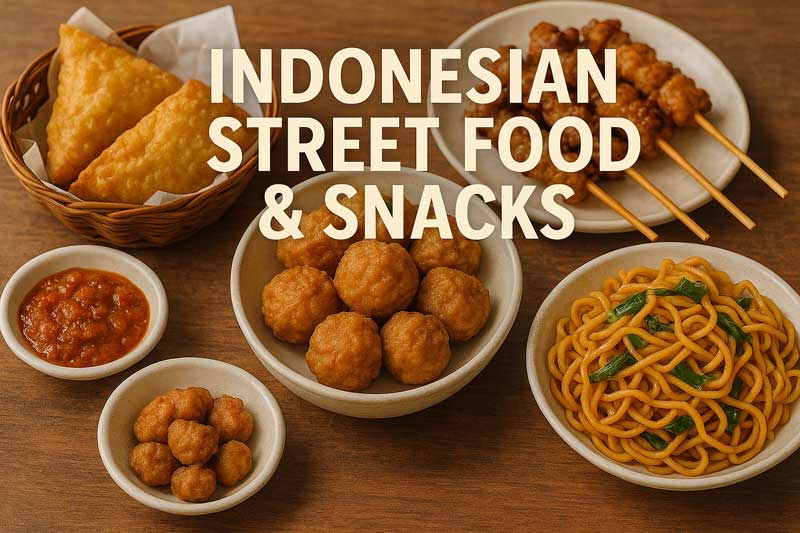
Discovering Easy Indonesian Indonesian Street Food & Snacks: Cap Cay Stir-Fried Vegetables and More for Takeout Lovers
This post invites you to explore a dish that shines in Indonesian street food culture. We focus on its cultural value and culinary significance, not on politics or history outside the kitchen. The dish we celebrate is Cap Cay stir-fried vegetables, celebrated here as part of Easy Indonesian Indonesian Street Food & Snacks: Cap Cay Stir-Fried Vegetables and More for Takeout Lovers. Its appeal lies in color, technique, and the way a simple pan of vegetables can carry a shared story of everyday meals.
What Cap Cay Is: A Simple Profile
Cap Cay is a lively stir-fry that brings together a rainbow of vegetables. Crunchy peppers, cabbage, carrots, mushrooms, and green beans often share the wok with a few slices of onion and garlic. Sauces bring depth: soy for savor, a touch of sweetness, and sometimes oyster sauce or a hint of mushroom sauce. In many stalls or home kitchens, cooks add herbs and a dash of sesame oil to lift the aroma. The result is a dish that feels fresh, balanced, and inviting. Cap Cay sits comfortably in the world of street snacks and takeout foods because its flavors travel well and its textures stay crisp with the right technique.
The Culinary Language of Cap Cay
Cap Cay speaks a clear culinary language. First is color: vibrant vegetables that sing on the plate. Next is texture: a balance of tender greens with a crisp bite. Third is aroma: garlic and sesame oil lifting the senses. The fourth is sauce: a glossy veil that coats every piece without overwhelming it. Finally, the dish is adaptable. Depending on the stall or home cook, you may find bamboo shoots, snow peas, bok choy, or mushrooms joining the mix. This flexibility reflects a core value in Indonesian street food culture: celebrate what’s fresh and in season, and adapt to what is available. Cap Cay succeeds because it respects the vegetables and honors a quick, skilled stir-fry technique.
A Cultural Value: Shared Meals and Everyday Craft
Cap Cay embodies a daily craft found in markets, street stalls, and family kitchens. It reflects a Love for vegetables as the stars of a hearty, satisfying meal. In many communities, meals are moments of shared enjoyment. A plate of Cap Cay arrives with friends or family gathered around a table, or as a warm container carried home from a street vendor. The dish demonstrates care for balance: the cook negotiates heat, timing, and sauce so every bite feels harmonious. This harmony is a hallmark of Indonesian street foods, where quick, flavorful cooking meets the daily rhythms of life.
The Takeout Advantage: Why Cap Cay Travels So Well
Cap Cay is well suited to takeout for several reasons. The dish uses a single skillet process, which keeps cooking simple and efficient. Vegetables retain a satisfying bite, while the sauce clings to each piece, preserving flavor even after a short rest in transit. The result is a meal that feels bright and complete when you unwrap it at home. The versatility is a boon for takeout lovers: you can pair Cap Cay with steamed rice, fried noodles, or even a light soup. The takeout experience becomes a small ritual—unpacking, aroma lifting from the container, and the first colorful bite that signals a comforting moment.
Regional Flavor Pairings and Influences
Cap Cay blends influences from Chinese cooking with Indonesian flavors. The technique—rapid, high-heat stir-frying—is common in both traditions. Sauces often merge soy-based elements with sweeter notes, sometimes achieved with kecap manis, the Indonesian sweet soy sauce. This creates a gentle caramel sweetness that balances the savory and the vegetable freshness. The dish can also carry subtle chili heat, which is a nod to Indonesian palate preferences. In this way, Cap Cay becomes a bridge between cooking styles, a testament to how culinary language travels while remaining rooted in local taste.
Variations You Might Encounter
Because Cap Cay is widely prepared in markets and homes, you’ll notice gentle variations. Some cooks add slices of chicken, shrimp, or tofu for protein. Others keep it strictly vegetarian. The vegetable mix can change with seasons: cabbage and carrots are common, but bell peppers, snap beans, or baby corn may appear. Each version preserves the core idea of a fast, flavorful stir-fry that shines with fresh vegetables and a glossy, savory sauce. The variation is part of its charm, inviting curiosity about how different stalls interpret the same concept.
Serving Ideas: Elevating Cap Cay at Home
To honor the dish’s cultural significance, consider serving Cap Cay with simple accompaniments that respect its flavors. Plain steamed rice or fragrant jasmine rice makes a classic pairing. A side of cucumber pickles or a light tomato-based salad can provide a refreshing contrast. For those who enjoy heat, a small dollop of sambal on the side lets each person tailor spice to taste. The beauty of Cap Cay lies in its ability to shine as a single-serve plate or as part of a larger spread that reflects everyday Indonesian street food culture.
The Market and Kitchen Voice: Where the Dish Lives
Cap Cay lives in bustling markets, street stalls, and home kitchens. In markets, cooks practice quick cook-fire techniques, keeping the vegetables crisp and the colors bright. At home, families recreate the dish to welcome guests or to fuel a busy evening. In both places, Cap Cay celebrates the appetite for fresh produce and efficient cooking. Its presence in everyday meals reminds us of how street foods become familiar, comforting neighbors to our daily routines.
A Note on Craft and Respect in Cooking
The beauty of Cap Cay lies in careful technique. Stir-frying requires a hot pan, swift motions, and precise timing. The cook keeps vegetables moving so they cook evenly while staying vibrant. Respect for ingredients shows in the finish: a dish that conveys care, balance, and clarity of flavor. This respect for craft is a cornerstone of Indonesian street food culture, where skilled hands turn simple ingredients into a memorable meal.
In Closing: Cap Cay as a Living Craft
Easy Indonesian Indonesian Street Food & Snacks: Cap Cay Stir-Fried Vegetables and More for Takeout Lovers invites us to savor a dish that is at once humble and sophisticated. It honors vegetables as the heart of a meal, elevates quick cooking into an art, and offers a flexible experience for takeout lovers. By appreciating its colors, textures, and layered flavors, we glimpse how street food can reflect daily life, regional flavors, and the joy of sharing food with others. Cap Cay stands as a bright thread in the tapestry of Indonesian cuisine, a reminder that good meals come from speed, balance, and respect for the ingredients we love.