
Introduction
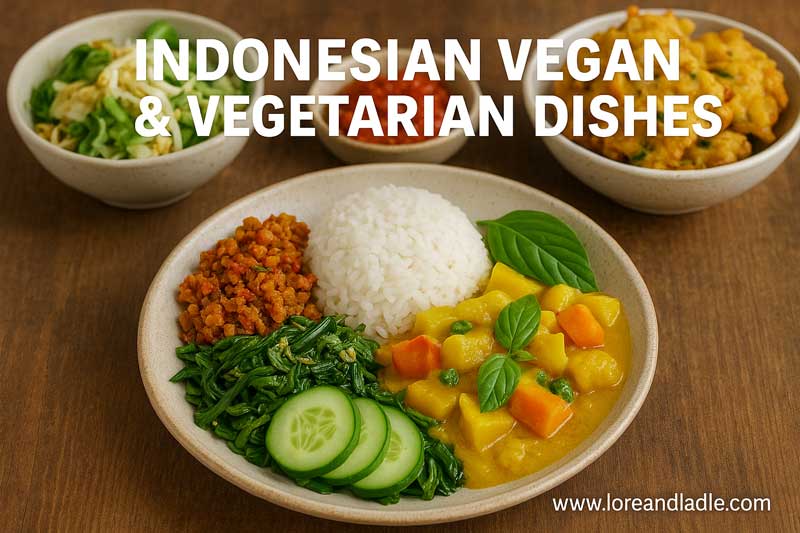
This post invites you to explore Easy Indonesian Vegan & Vegetarian Dishes, with Grilled Coconut Rice Satay and More for Date Night at Home. The focus is on cultural value and culinary significance. Here, food becomes a shared language of care, craft, and color. The dish brings together plant-based ingredients, bright aromatics, and a gentle balance of textures. It is a celebration of Indonesian cooking as a living tradition, enjoyed in homes and kitchens around the world.
The Heart of Indonesian Flavor
Indonesian cuisine centers on balance. Sweet meets savory, bright meets earthy, hot meets cool. Coconut milk adds creaminess, while lemongrass, turmeric, and garlic layer vibrant aromas. Rice plays a central role, often treated as a canvas for flavor. In this tradition, simple ingredients are transformed through technique and timing. The result is comforting yet exciting, familiar yet new with each bite. Grilled Coconut Rice Satay embodies this harmony by marrying coconut-fragrant rice with grilled, flavorful plant-based skewers. The dish invites cooks to respect seasonality, adjust heat, and honor the natural sweetness of fresh ingredients.
Satay as a Grilled Highlight
Satay is a technique and a style that travels across many Indonesian dishes. Skewering and grilling unlocks a smoky aroma and an inviting caramelized surface. In plant-based versions, tofu, tempeh, or vegetables take the center stage. The key is building a depth of flavor through a thoughtful marinade and a clean grilling process. The result is a bite that carries both tenderness and a hint of char. This balance mirrors the Indonesian culinary emphasis on technique—how heat, timing, and seasoning work together to reveal personality in a dish. Grilled Coconut Rice Satay uses this proven approach to create a vivid, crowd-pleasing experience that can be shared on a date night.
Grilled Coconut Rice Satay: A Closer Look
Grilled Coconut Rice Satay blends two beloved elements. First, the coconut rice, cooked with coconut milk and a touch of salt, offers a creamy, fragrant base. Second, the skewered proteins—typically tofu or tempeh—are marinated in a mix of garlic, shallot, turmeric, coriander, and a splash of soy or tamari. Grilling then adds a smoky, caramelized edge that sings with Indonesian character. A peanut sauce, if kept vegan, adds a nutty, bright finish that complements rather than overpowers. The interplay of soft rice and crisped edges creates a texture profile that delights the palate and echoes the careful balance found in many Indonesian meals. This dish is approachable yet deeply rooted in tradition, making it a meaningful centerpiece for date night at home.
Cultural Value in Home Cooking
In Indonesian homes, cooking is often a gesture of care and togetherness. Preparing a meal like Grilled Coconut Rice Satay invites partners to collaborate, share tasks, and savor the moment. The act of cooking together mirrors the communal spirit found in many Indonesian kitchens, where recipes are handed down with stories and tips. Even when made with modern conveniences, the dish preserves a sense of place—of a land where herbs, spices, and fresh produce come together to tell a story through aroma and flavor. For a date night, this food becomes more than sustenance; it becomes an expression of hospitality, respect, and attention to detail. The result is a dining moment that feels both intimate and culturally rich.
Craft, Technique, and Sensory Joy
The craft behind this dish lies in careful preparation and mindful grilling. Selecting firm tofu or tempeh ensures bite and sturdiness on the skewer. A gentle marinade deepens flavor without overpowering the coconut notes. The coconut rice benefits from rinsing the rice until the water runs clear, then cooking with coconut milk for a lush texture. Grilling should be steady and moderate, allowing the surface to caramelize while the inside stays tender. Sensory joy comes from the aroma—coconut, garlic, and roasted peanut mingling in the air. Each element supports the others, reflecting a culinary philosophy that celebrates harmony and precision.
Ingredients and Adaptability
The dish welcomes adaptation. Common ingredients include rice, coconut milk, garlic, shallots, turmeric, lemongrass, turmeric, and a protein source like tofu or tempeh. A peanut sauce offers a classic companion, though a simple soy-lime dressing can also shine. Fresh herbs, such as cilantro or Thai basil, provide bright finishing notes. Spices can be adjusted to suit heat tolerance, while vegetables like bell peppers or zucchini on the skewers add color and variation. This flexibility shows how Indonesian-inspired cooking can honor tradition while inviting personal expression in the home kitchen.
A Welcome Table for Date Night
Date nights benefit from a dish that feels considerate and celebratory. Grilled Coconut Rice Satay delivers that experience through its layered aromas, comforting texture, and striking presentation. Plating can emphasize color contrast: pale coconut rice beside glossy skewers, a drizzle of peanut sauce, and a sprinkle of chopped peanuts or sesame seeds. The meal invites conversation about flavors and techniques, turning dinner into a shared learning experience. In this way, the dish becomes a bridge between cultures and a gentle invitation to explore Indonesian culinary art together.
The Significance of Plant-Based Indonesian Cuisine
Plant-based dishes showcase Indonesian cuisine’s adaptability and generosity. The cuisine routinely centers on plant ingredients, herbs, and spices that highlight freshness and balance. Even when meat is present in many traditional dishes, plant-based interpretations demonstrate how flavorful and satisfying Indonesian flavors can be with simple substitutions. This emphasis on plant-forward cooking aligns with broader culinary values of sustainability, versatility, and respect for natural ingredients. Grilled Coconut Rice Satay stands as a beautiful example of how vegetables, grains, and nuts can carry a full and satisfying dining experience.
Final Reflections
Grilled Coconut Rice Satay and its companion dishes offer a window into Indonesian food culture that is inviting, precise, and heartwarming. The dish celebrates how rice, coconut, and spices come together to tell a story of place and craft. It honors the craft of grilling and the care of Home Cooking, while presenting a sensory, family-friendly experience that suits a quiet date night at home. By embracing these flavors, cooks can connect with a tradition that values balance, technique, and shared delight. This is how food becomes a cultural celebration—delightful, respectful, and deeply satisfying.