
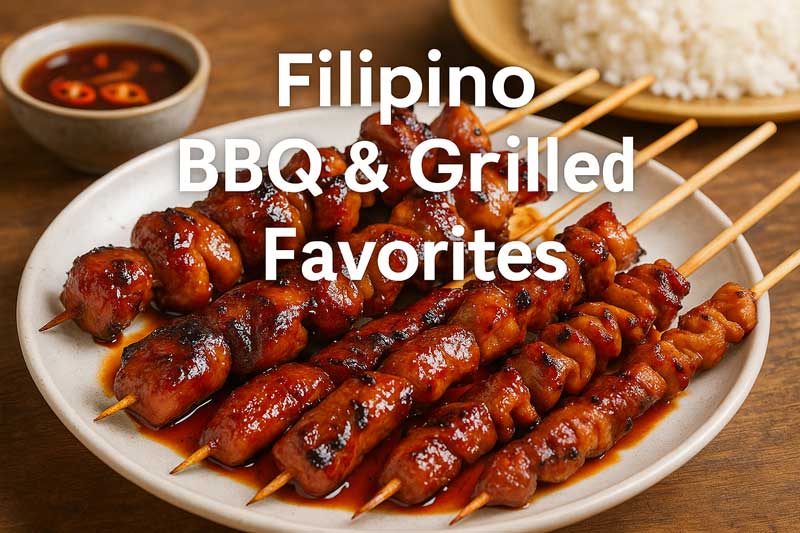
Why Inihaw na Manok Is a Must-Try Filipino Dish in the U.S.: An Introduction
Why Inihaw na Manok Is a Must-Try Filipino Dish in the U.S. is more than a plate of grilled chicken. It is a doorway into a shared dining experience that many families bring to weekend gatherings, street fairs, and neighborhood cookouts. This dish radiates warmth, a bright balance of flavors, and a tactile pleasure in every bite. It invites people to slow down for a moment, savor the aroma, and connect over food.
Inihaw na Manok is simple in its core idea: chicken that is marinated, grilled, and served with a friendly smile. The magic comes from the way heat and smoke accent the meat, while the marinade adds layers of savory, tangy, and slightly sweet notes. In the United States, it has found a place in many Filipino-owned eateries, pop-up grills, and family kitchens. It travels well, too, offering thing you can share with friends and neighbors who are curious about flavors from another table. Why Inihaw na Manok Is a Must-Try Filipino Dish in the U.S. invites readers to explore that generosity of flavor and spirit.
As you read, you will notice how this dish stays inviting, clear, and grounded. The texture is part of the story—juicy inside with a lightly crisp, charred exterior. The flavors are not heavy, and they adapt well to different palates. The preparation emphasizes balance: salt, acid, sweetness, smoke, and a hint of garlic. The result is a dish that tastes like a familiar comfort food but with a bright, aromatic edge that brightens a table. Why Inihaw na Manok Is a Must-Try Filipino Dish in the U.S. returns to this idea again and again: great food in good company, prepared with care.
In the sections that follow, you’ll find a clear portrait of the dish’s character, how it fits into everyday meals and special occasions, and high-level ideas for variations that keep the core experience intact. You will see how the flavors, textures, and aroma work together. You will also see how people in the United States enjoy Inihaw na Manok in different settings, from home kitchens to community events. This article strives to be informative, warm, and balanced as it celebrates a beloved Filipino classic. Why Inihaw na Manok Is a Must-Try Filipino Dish in the U.S. is a guiding thread, signaling the delight of a well-grilled chicken that travels well and feels at Home almost anywhere.
Understanding the Dish: What Makes Inihaw na Manok Distinct
Inihaw na Manok centers on chicken that is marinated and grilled, with the grill bringing out depth, scent, and texture. The marinade is a key driver of flavor. Common elements include soy sauce for salt and savor, a splash of vinegar or citrus for brightness, garlic for aroma, and a touch of sugar or honey to balance the tang. Some cooks add pepper, peppercorns, or chili for a gentle kick. The result is a savory-sweet profile that remains approachable for new listeners while delivering familiar comfort to fans of Filipino flavors.
Inihaw na Manok is also about the method. The chicken is laid on a grill and cooked over direct heat, often with an inviting, smoky scent that rises from the coals. The skin becomes lightly crisp, and the meat remains juicy. The technique favors even grilling, with care given to avoid drying the interior. When done well, each bite carries a gentle char and a saturated, well-rounded flavor. The dish is flexible enough to adapt to different grills and fuels, which helps it thrive in homes and pop-up stalls across the United States.
In this spirit, bold but accessible ideas can guide high-level experimentation without overwhelming detail. For example, you can explore different bases for marinades, such as citrus-forward, soy-forward, or sweet-and-savory profiles. You can also vary the marinating duration to tailor tenderness and intensity. The goal remains consistent: a balanced bite that shows off grilled technique and thoughtful seasoning. Why Inihaw na Manok Is a Must-Try Filipino Dish in the U.S. invites you to consider how a few core choices—quality chicken, a respectful marinade, and attentive grilling—shape a dish that records a warm memory at the table.
Aromas and Textures: What You Feel When You Take a Bite
The first impression of Inihaw na Manok often comes from aroma. The marinade and the grill mingle in a fragrance that is inviting and bright. You might notice garlic and soy notes softened by a hint of sugar, with a smoky edge that signals outdoor cooking. The scent is not overpowering, but it fills the room with a sense of welcome and anticipation. This aroma invites conversation and a sense of celebration around the table.
Texture plays a central role in the enjoyment of Inihaw na Manok. The exterior should offer a slight crunch or crispness from the grilled skin, balanced by a tender interior. The meat remains moist, with the juices richly flavored by the marinade. A well-prepared piece delivers a satisfying contrast: a crisp exterior that gives way to juicy, flavorful meat. Some bites may reveal subtle caramelization on the surface, a sign of careful heat control and a patient approach to grilling.
The mouthfeel of Inihaw na Manok contributes to its approachable character. The tenderness of the chicken, the gentleness of the smoke, and the savory-sour-sweet profile create a familiar yet uplifting experience. The texture and aroma work together to keep the dish memorable without becoming heavy. This balance makes it easy to pair with other dishes and keeps it versatile for different meals and occasions. Why Inihaw na Manok Is a Must-Try Filipino Dish in the U.S. underlines how sensory appeal enhances a dish’s appeal across cultures.
High-Level Ideas for the Marinade: Keeping the Core, Exploring Variations
A high-level approach to marinating Inihaw na Manok centers on simple, well-balanced ingredients. The core concept is to bring saltiness, brightness, a touch of sweetness, and a gentle savory note to the meat. From there, cooks can explore variations that suit different palates and occasions.
- A soy-forward base with garlic and citrus provides a classic profile that many people recognize. The saltiness from soy and the acidity from citrus lift the chicken without masking its natural flavor.
- A brighter, tangier version uses calamansi juice or lemon in place of or alongside vinegar, maintaining balance while pushing aromatic brightness.
- A sweeter, caramelized version uses a hint of brown sugar or honey, which adds depth and a gentle glaze during grilling.
- A spiced version introduces a touch of pepper or chili for a warm, mild heat that complements the chicken rather than overpowering it.
- A herbal or garlic-forward variant emphasizes fresh aromatics with less sugar, delivering a clean, savory experience.
The method remains straightforward. Marinate for a period that allows flavor penetration, then grill over steady heat, watching for a balanced color and moist interior. The exact times depend on the cut and the grill, but the principle stays the same: a careful, even approach yields the best results. Why Inihaw na Manok Is a Must-Try Filipino Dish in the U.S. can apply to any of these variations, inviting you to choose a flavor path that suits your table.
Pairings and Dips: Enhancing the Experience
Inihaw na Manok shines when paired with the right sides and dips. A classic accompaniment is rice, which acts as a neutral base that lets the chicken’s flavors stand out. White rice is common, and a slightly warm, fluffy texture helps balance the tang and the salt in the marinade. In some homes, steamed jasmine or garlic-scented rice adds a fragrant dimension that harmonizes with the smoky profile.
A fresh, crisp accompaniment such as achara—pickled green papaya—offers a bright, tangy contrast. The acidity cuts through the fat and elevates the juicy character of the chicken. Other fresh salads or light slaws can also work well, providing crunch and color to the plate.
A simple dip made from soy sauce, vinegar, and a touch of chili or garlic offers a familiar, savory-sour note that complements the meal. You can tailor dips to taste, adding lime juice, crushed pepper, or sesame oil for new dimensions. The right sides and dips can awaken additional textures and flavors, making the meal feel complete. Why Inihaw na Manok Is a Must-Try Filipino Dish in the U.S. can guide you as you assemble a balanced plate with contrasts that delight.
Occasions: When People Enjoy Inihaw na Manok
Inihaw na Manok shows its best self in moments of sharing and togetherness. Families often prepare it for weekend meals, creating a pattern of warmth and routine around a grill. Friends may gather for a casual cookout where this dish takes center stage, letting people relax and talk over smoky scents and bright flavors.
Community events and neighborhood festivals can also become playgrounds for Inihaw na Manok. Food stalls might feature the dish alongside other Filipino staples, inviting passersby to explore a cohesive meal built around grilled chicken. The dish travels well in catering menus or family potlucks, where it becomes a reliable option that appeals to a wide range of tastes.
Seasonality can influence the pace and style of serving. In warmer months, grilling outdoors fits naturally with the weather and social energy. In cooler seasons, kitchens or indoor grills can carry the same flavor-forward experience with a comforting warmth. Why Inihaw na Manok Is a Must-Try Filipino Dish in the U.S. remains relevant across these moments, guiding hosts and guests to enjoy the dish wherever the table is set.
The Flavor Map: Regional Insights and Global Adaptations
Within the Philippines, regional variations around grilled chicken exist, and these nuances contribute to the broader appeal of Inihaw na Manok when it appears in the United States. Some regions emphasize a stronger garlic presence, while others highlight citrus brightness or a sweeter glaze. These regional touchpoints demonstrate how a dish can evolve while staying rooted in a shared technique: a well-marinated, well-grilled chicken that preserves moisture and aroma.
When Inihaw na Manok travels beyond its place of origin, cooks adapt based on available ingredients and local tastes. In the United States, you may encounter versions that lean into milder or spicier profiles, depending on the kitchen or the audience. The core concept remains recognizably Filipino: a savory, smoky chicken with careful balance. This adaptability helps the dish fit in diverse culinary scenes while retaining its distinctive identity. Why Inihaw na Manok Is a Must-Try Filipino Dish in the U.S. can be a reminder of how traditions travel with respect and simplicity.
A Closer Look at the Grill: Techniques Without Steps
If you want to think about the grilling approach in a high-level way, consider heat, timing, and texture. The goal is to maintain moisture while achieving a light crust and grill marks. A steady flame and even heat distribution help prevent uneven cooking. Turning the meat ensures both sides are flavored and colored uniformly. The outside should show a gentle char that adds aroma, not a burnt flavor. The inside should stay juicy, with the marinade’s character evident in every bite.
A well-executed grill session also means paying attention to the kitchen environment. Good airflow and a clean grill surface make it easier to achieve even color and avoid sticking. Practical tips at this level include preheating the grill, oiling the grate lightly, and giving the chicken space to cook rather than crowding it. When you keep these principles in mind, you can enjoy reliable results that celebrate the dish’s essence. Why Inihaw na Manok Is a Must-Try Filipino Dish in the U.S. emphasizes the importance of thoughtful technique as part of the overall experience.
Hosting Ideas: Making an Inihaw Night Special
If you are planning a casual gathering, an Inihaw Night can be a memorable highlight. A focused menu around grilled chicken, rice, a bright achara, and a few dips can anchor the event. The preparation can be shared among family members or friends, turning the meal into a social activity as well as a meal. You can offer a couple of marinade options to accommodate different preferences, adding a small slate of toppings or garnishes for guests to personalize their plates.
Setting the scene with simple décor and warm lighting helps evoke the grill’s atmosphere, even indoors. Music or conversation topics can enhance the sense of togetherness. A relaxed pace allows guests to appreciate the dish’s aroma and texture as they move through the food. Why Inihaw na Manok Is a Must-Try Filipino Dish in the U.S. can inspire hosts to design an experience that is welcoming, balanced, and enjoyable for all participants.
Closing Thoughts: A Dish That Welcomes and Delights
Inihaw na Manok offers a combination of savory depth, smoky aroma, and tender texture that resonates across kitchens and dining rooms in the United States. The dish invites people to share a meal with care, to respect a traditional technique, and to enjoy a practical yet uplifting culinary moment. The high-level ideas offered here provide a framework for exploring flavor without getting lost in steps. They encourage curiosity while keeping the focus on balance and quality.
Why Inihaw na Manok Is a Must-Try Filipino Dish in the U.S. has appeared throughout this article as a touchstone. It helps keep the reader oriented toward the core appeal: a grilled chicken dish that can illuminate a table with warmth, aroma, and texture. Whether you cook at home, dine at a Filipino restaurant, or attend a community event, this dish can offer a simple, engaging, and satisfying experience. May your next meal featuring inihaw na manok be a moment of shared flavor and friendly conversation, a small celebration of food’s ability to connect us across differences. Why Inihaw na Manok Is a Must-Try Filipino Dish in the U.S. serves as a gentle reminder of that shared joy.