
Introduction
Inspired by Tukhum Barak – Uzbekistani Soups & Stews Flavor You’ll Love is more than a dish; it is a celebration of hospitality, seasonality, and the quiet artistry found in Uzbek kitchens. This bowl invites you to taste a culture that honors family meals, shared bowls, and steady, patient cooking. It channels the warmth of a home kitchen and the skilled hands that coax depth from simple ingredients. In every ladle, you’ll sense a respect for tradition and a curiosity for how flavors can weave together across generations.
The Cultural Heart of Uzbekistani Soups and Stews
Uzbekistan’s soups and stews are a staple of daily life and festive occasions alike. They serve as a practical, nourishing centerpiece for gatherings and as a comforting ritual during quiet evenings. The technique is often patient: heat, aroma, and layering flavors over time. A well-made broth becomes a living map of a region’s climate, markets, and memories. This dish, inspired by Tukhum Barak, honors that map by balancing meat, vegetables, and herbs in a way that feels both timeless and newly inviting. It is a culinary conversation between clay pots and modern kitchen tools, between home-cooked care and restaurant-inspired polish.
Flavor Profile and Culinary Technique
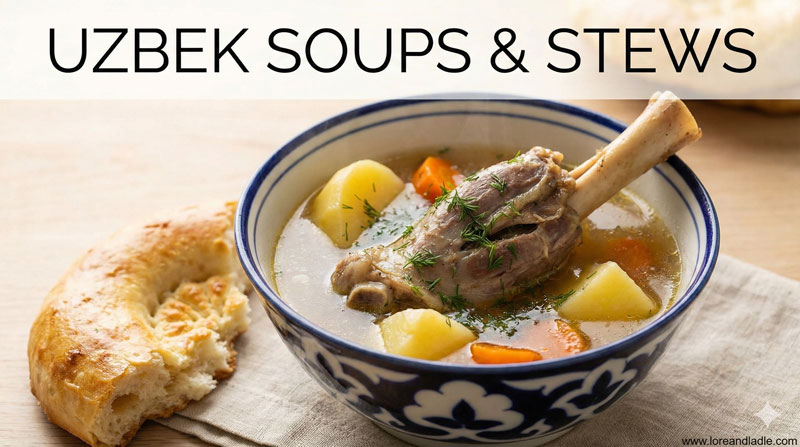
At the core, this dish blends tender meat with a chorus of aromatics. Think fragrant onions sweated to velvet sweetness, garlic and herbs releasing their bright notes, and vegetables like carrots and potatoes adding body and color. A touch of tomatoes or tomato paste enriches the broth, while spices such as cumin, coriander, and a pinch of dried mint lift the fragrance without overpowering the palate. The dish may include dumpling-like pockets or soft pasta shapes, echoing Tukhum Barak’s comforting texture while embracing a broader stew technique. The result is a clear, nourishing broth with lasting depth, supported by the tenderness of meat and the gentle bite of vegetables. This careful balance demonstrates how Uzbek culinary sensibilities honor both simplicity and refinement in every bite.
Regional Expressions and Personal Touches
Every Uzbek region brings a distinct voice to soups and stews. In one area, the broth might lean toward a brighter acidity with a tomato-forward profile; in another, a deeper, meat-forward essence with toasted spices. Some cooks favor dumplings or hand-rolled wrappers that melt into the broth, while others emphasize strands of noodle or barley for a heartier experience. Fresh dill, cilantro, or green onions finish the dish with a bright, herbal lift. These regional expressions show how culture can adapt techniques to local markets and family preferences, all while preserving the essence of a shared culinary language.
Cultural Value: Hospitality, Family, and Shared Meals
The cultural value of Uzbek soups and stews lies in their capacity to bring people together. A pot on the stove invites neighbors, friends, and relatives to share in nourishment and conversation. Preparing a dish inspired by Tukhum Barak becomes a gesture of welcome, a way to say that everyone is cared for and included. The act of pouring, garnishing, and serving fosters connection—an everyday ritual that reinforces trust, memory, and belonging. The dish stands as a testament to careful cooking as an act of generosity, where time spent in the kitchen translates into warmth at the table.
The Dish in Modern Kitchens: Adaptation with Respect
Today’s cooks can honor tradition while embracing contemporary techniques and ingredients. The dish inspired by Tukhum Barak invites flexible interpretation: choose lamb or beef according to preference, swap seasonal vegetables, or adjust the level of spice to suit taste. Yet the core remains: a slowly simmered, nourishing broth crowned with tender morsels and comforting textures. This approach respects the original spirit—generosity, patience, and harmony—while welcoming new flavors, sourcing, and kitchen tools. In this way, the dish continues to teach us how culinary heritage can stay vibrant in a modern home.
Serving, Presentation, and Accompaniments
Serve the stew with a generous loaf of flatbread or lepeshka, inviting diners to scoop and savor. A fresh herb garnish brightens the pot, and a squeeze of lemon or a dollop of yogurt can add a tangy contrast that lifts the entire dish. Consider offering a simple cucumber-tennous salad or a light tomato and onion relish on the side to echo the dish’s brightness. The presentation emphasizes warmth, hospitality, and the tactile pleasure of sharing food from a common bowl—an invitation to linger, talk, and enjoy.
Tips for Crafting Balance and Depth
- Build flavor in stages: sweat onions first, then add meat to render its richness, followed by vegetables and spices.
- Skim foam gently during the simmer to keep the broth clear and refined.
- Taste and adjust: a touch more salt or a hint of acidity can elevate the whole pot.
- If using dumplings, add them toward the end to preserve their texture without overcooking.
- Finish with fresh herbs right before serving to preserve their aroma and color.
Conclusion
This dish, inspired by Tukhum Barak, offers a journey into Uzbekistani soups and stews that places culture, craft, and care at the forefront. It honors a tradition of generous, family-centered meals while inviting modern cooks to explore, adapt, and celebrate. The result is a comforting, flavorful bowl that speaks of hospitality, regional character, and the timeless pleasure of a well-made stew. In every spoonful, you’ll discover not just taste, but a shared love of food that connects generations through the universal language of good cooking.