
Introduction
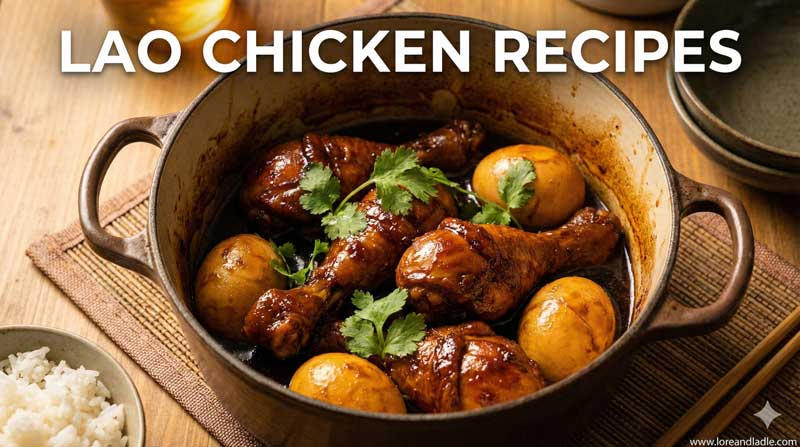
Instant Pot Lao Chicken Recipes for Faster Lao Flavors invites you to explore a dish that stands at the heart of Lao cooking. It blends speed with tradition, letting home cooks honor Lao culinary values in a modern kitchen. This post focuses on cultural value and culinary significance. It celebrates flavors, seasons, and the shared joy of a comforting meal.
What makes Lao flavors special
Lao cuisine is built on balance. The most beloved dishes blend four notes: sour, salty, spicy, and aromatic. Fresh herbs brighten every bite. Heat comes from chilies, while depth arrives through fish sauce, garlic, and citrus. Sticky rice anchors the meal and invites hands-on sharing. In Lao traditions, meals are social events that honor harvests, rivers, and markets. Food speaks the language of daily life, ceremony, and gratitude. This Instant Pot recipe captures that language in a faster, accessible format while preserving the quiet elegance of Lao flavors.
The Instant Pot as a gateway to Lao cooking
The Instant Pot makes Lao flavors easier to reach on busy days. First, sautéing aromatics builds the base quickly. Next, the pressure cook seal preserves fresh herbs and tender chicken. The result is a fragrant, saucy dish with a glossy finish. The tool helps you emphasize freshness without sacrificing depth. In Lao cooking, technique matters as much as ingredients. This method invites cooks to practice patience in one pot, with clear steps and reliable timing. The outcome is a comforting, culturally rooted meal that respects tradition while embracing convenience.
Core ingredients and their cultural resonance
- Chicken: A versatile protein in Lao home cooking. It soaks up brightness from citrus and salt from fish sauce, creating a harmony that feels both everyday and celebratory.
- Lemongrass and galangal: These aromatic roots define much of Lao Southeast Asian cuisine. They offer citrusy perfume and peppery warmth that wake the palate.
- Garlic and shallots: Foundations that deepen flavor and connect to family kitchens where garlic and onions are staples.
- Fish sauce (nam pla): A salty, umami-forward seasoning that is a cultural touchstone in Lao meals. It carries the sea’s memory into the dish.
- Lime or tamarind for sour notes: Sourness can brighten the dish and cut through richness, a hallmark of Lao-balanced plates.
- Chilies: Fresh or sliced, they bring warmth and a clear focal point for the spice profile.
- Fresh herbs: Cilantro, mint, and Thai basil brighten the finish and echo garden-vine rituals in Lao cooking.
- Sticky rice: While not always served in every recipe, it remains the defining partner for Lao meals. The soft, chewy grains offer a quiet counterpoint to bold seasonings and encourage dipping and gathering.
These ingredients are more than flavors; they are a reflection of Lao markets, gardens, and daily life. Even in a quick version, the dish invites you to sense seasonal produce, regional varieties, and the joy of family cooking.
Techniques that honor Lao culinary logic
- Sauté first, then simmer: Building aroma with garlic, shallots, and herbs mirrors traditional steps in Lao kitchens. The pot trap intensifies the essential perfume.
- Layer sour, salty, and aromatic notes: Add lime juice near the end to preserve brightness. Balance with a touch of sugar or palm sugar if needed. This mirrors Lao habits of balancing tastes in a single plate.
- Use high-heat sear for texture: A brief browning adds depth that echoes the grilled or fried finishes common in Lao cooking.
- Finish with fresh herbs: A last sprinkle of mint or cilantro lifts the dish and connects it to the garden.
- Serve with sticky rice or fresh vegetables: The serving style reinforces cultural rituals of sharing and togetherness.
These techniques keep the dish faithful to Lao principles while remaining practical for home cooks. The result is a meal with clarity of taste and a respectful nod to tradition.
How this dish speaks to Lao daily life
In Lao homes, meals reflect a cycle of work, harvest, and family time. A weeknight dish that tastes like a festival supports nourishment and connection. The Instant Pot version honors this idea by:
– Offering a quick route to a flavorful dish without compromising comfort.
– Encouraging home cooks to experiment with fresh herbs and seasonal produce.
– Keeping seafood and plant-based notes accessible through Pantry Staples like fish sauce and lime.
– Promoting shared meals, as the dish pairs with sticky rice and simple salads, inviting conversation and togetherness.
Cultural value shines through the act of cooking with intention. This recipe is not just about taste; it is about why Lao flavors matter—how they evoke memory, community, and gratitude for the harvest.
Pairings, presentation, and serving traditions
- Sticky rice: The classic accompaniment that carries sauces from the plate to the mouth. Its texture invites slow enjoyment and conversation.
- Fresh herb garnish: Cilantro and mint provide a bright aroma that enhances the dish’s aroma profile.
- Lime wedges or a splash of fresh juice: A final zing that brightens the plate and reveals the dish’s sour note.
- A cucumber or cabbage side salad: Light, crisp counterpoints balance heat and richness.
- A simple chili-ginger oil drizzle (optional): For those who love a more pronounced aromatic finish.
Imagining the table set with these elements helps convey the cultural context: a meal that honors land, harvest, and family. The dish becomes a small ceremony of flavor, color, and scent.
Authentic adaptation without losing Lao identity
- Maintain key aromatics: Lemongrass, galangal, lime, and fish sauce should remain central. They anchor the flavor profile to Lao cuisine.
- Respect balance: Keep the sour, salty, spicy, and aromatic harmony intact. Adjust heat gradually to match your tolerance without sacrificing balance.
- Use local produce: Fresh herbs and vegetables available in your region will still evoke Lao freshness and seasonality.
- Preserve plating cues: Serve with sticky rice or a simple vegetable side to maintain the traditional feel.
This approach allows cooks to adapt the dish to their pantry while preserving its Lao essence. The result stays true to cultural flavor principles while offering practical accessibility.
The cultural value of sharing and memory
Food in Lao culture often carries memory and meaning. A family might prepare a meal to celebrate a simple achievement or a season change. Even a quick soup or stew becomes a thread that links generations. This Instant Pot Lao Chicken recipe honors that intention by inviting everyone to participate in the cooking process. It becomes a small ritual of care, patience, and mutual respect. The dish stands as a doorway to slower, mindful eating—within a faster method.
Practical tips for best results
- Start with a clean mise en place: Wash herbs and chop aromatics before turning on the pot. This keeps the process calm and efficient.
- Taste and adjust at the end: A quick spoonful can reveal if you need a touch more lime, salt, or sugar. Let the final notes sing.
- Let the dish rest briefly after cooking: A short rest lets the flavors settle, improving balance and aroma.
- Don’t rush the garnish: Fresh herbs added just before serving keep their brightness intact and elevate the dish’s scent.
These tips help ensure every batch embodies the intended Lao flavor profile while remaining accessible to cooks of any experience level.
Conclusion
Instant Pot Lao Chicken Recipes for Faster Lao Flavors offers more than a quick dinner. It is a mindful practice that highlights the beauty and depth of Lao cooking. By honoring balance, fresh ingredients, and communal eating, the dish reveals how tradition can thrive in a modern kitchen. The Instant Pot becomes a bridge to Lao culinary heritage, delivering nourishment, aroma, and a sense of belonging. In every serving, you taste a culture that cherishes simplicity, care, and shared meals.