
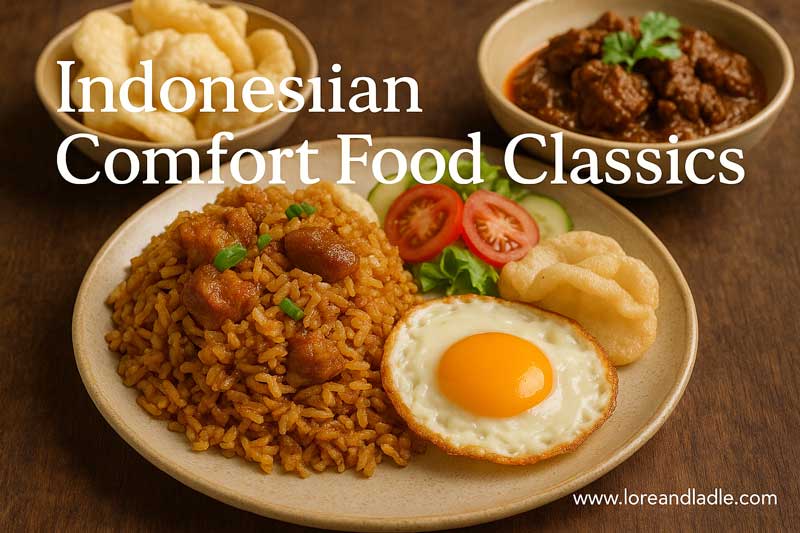
From Jakarta to Your Kitchen: Rawon Beef Soup Made Simple
Rawon is more than a soup. It is a warm thread that ties a bustling city to quiet, home kitchens. From Jakarta’s lively streets to a family dining table, this dish carries a calm, fragrant charm. The title invites you to explore a recipe that is accessible, yet deeply rooted in tradition. It is a celebration of flavor, technique, and the everyday joy of cooking.
The Soul of Rawon: Color, Aroma, and Comfort
Rawon earns its name from the deep, dark broth that surrounds tender beef. The color comes from a rich nut paste that adds mystery and depth. When the pot warms, the air fills with a sweet, resinous aroma. Spices mingle with the meat, creating a harmony that feels both familiar and special. The soup itself is comforting, and its texture—silky broth, soft beef, and a touch of crunch from crackers or vegetables—offers contrast that is satisfying to the senses. This is the kind of dish that turns a meal into a moment of shared warmth.
Jakarta’s Food Rhythm: Markets, Home Cooking, and Gatherings
Jakarta is a city of contrasts, and its food speaks to that diversity. Street stalls, family kitchens, and modern eateries all contribute to a living culinary tempo. Rawon finds its voice in this rhythm: it is at Home in a quiet family meal and still carries the energy of a street corner where shopkeepers chat over bowls of soup. In homes, Rawon becomes a canvas for personal touch—how spicy you want it, whether you add lime, and what you serve on the side. The dish grows with the eater, moving easily from casual supper to a centerpiece for special occasions, while always preserving a sense of place and memory.
The Bumbu: A Harmonious Blend
A standout feature of Rawon is its bumbu, the spice paste that carries aroma and character. Common elements include shallots, garlic, lemongrass, galangal, and coriander. The key touch is the keluak paste, which gives that signature dark color and a distinctive, earthy flavor. In a simple kitchen, you can honor this tradition by using a prepared keluak paste or a good equivalent, then enriching the mixture with fresh herbs and a splash of lime. The result is a pot that speaks of careful balance: savory beef, nutty depth, and a bright finish that lifts the palate.
Simple Path to the Table: Making Rawon Easy
Even with a straightforward approach, Rawon remains true to its essence. Start with a good beef base, either bone-in for body or cut pieces for speed. Blend a bumbu that includes shallots, garlic, and spices, then fold in the keluak paste to achieve that celebrated dark broth. Simmer gently until the beef is tender and the flavors have mingled. The beauty of a simplified method is this: you keep the heart of the dish while removing complexity that can feel daunting. In a home kitchen, you can streamline by using a blender for the paste, and you can use a modern stove or a slow simmer to coax tenderness from the meat. The result is a soulful soup that remains faithful to tradition, yet entirely approachable.
Pairings and Serving: The Experience
Rawon shines when it is served with thoughtful accompaniments. A small plate of emping crackers adds a satisfying crunch. Steamed rice provides a neutral counterpoint that lets the broth shine. Fresh herbs, lime wedges, and a dab of sambal give bright, finishing notes. Each bite blends earth, brightness, and texture, offering a complete moment of tasting and feeling. The presentation is simple and inviting, inviting guests to savor the layers of flavor rather than just the surface.
A Respectful Look at Craft and Craftsmanship
This dish embodies a craft that is passed down through home kitchens and cooking spaces across Jakarta. It speaks of patience, balance, and care in selecting ingredients. To cook Rawon well is to honor time-honored methods while welcoming modern, convenient approaches. The end result is a bowl that feels generous, inviting anyone to pause, breathe, and appreciate the beauty of a well-made soup. By embracing the dish’s cultural value and culinary significance, we celebrate not only flavor but the shared joy of cooking and eating together.
Closing Thought: A Dish that Travels with Us
From Jakarta’s vibrant streets to the calm of a kitchen, Rawon moves with a quiet dignity. It is a dish that invites curiosity, offers comfort, and showcases how thoughtful seasoning can elevate simple ingredients. Made simple, it remains a meaningful expression of Indonesian culinary heritage. If you approach it with care, Rawon becomes more than a meal—it becomes a memory in the making, a reminder of how food can connect place, people, and recipes in warm, delicious ways.