
Hook
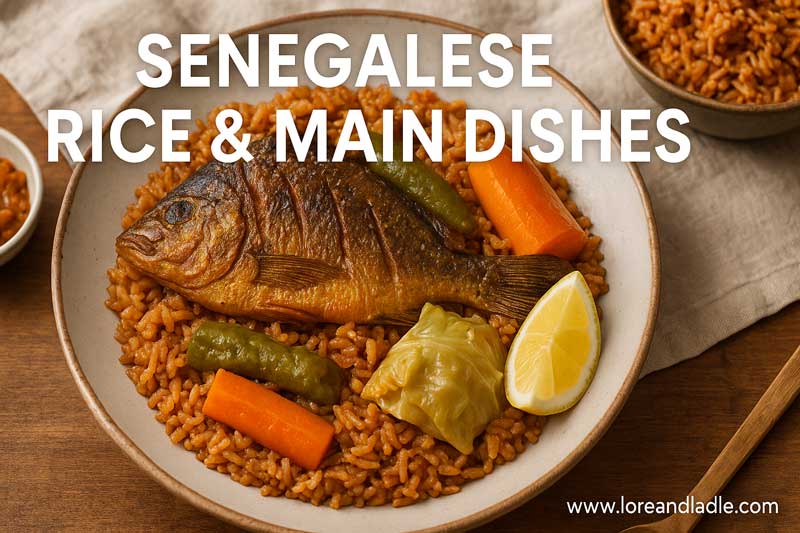
On a bright afternoon, the kitchen fills with a warm, tomato-berry scent and a gentle simmering rhythm. A grandmother hums a soft tune while the pot of Jollof-Style Senegalese Party Rice: What to Know Before You Order It in the U.S. opens a little window to today’s gathering. The rice shines ruby-red in the light, glossy and inviting. A plate passes around, along with stories, laughter, and the tiny rituals that turn a simple meal into a celebration. This dish invites everyone to share a moment of comfort and color, a reminder that flavor can be both bold and familiar at once.
Jump to Recipe
Jollof-Style Senegalese Party Rice: What to Know Before You Order It in the U.S. is a vibrant, tomato-forward rice dish that often carries a gentle warmth from peppers and herbs. It is usually cooked in a single pot, producing tender grains that stay separate and a flavorful sauce that clings just enough. Core ingredients typically include rice, tomatoes or tomato paste, onions, peppers, garlic, and a fragrant mix of herbs and spices. The texture blends a soft, saucy base with grains that are distinct yet coated with rich flavor. The dish is commonly served with a protein on the side or integrated into a larger spread, giving it a place at family meals, weekend gatherings, and festive tables. In brief, Jollof-Style Senegalese Party Rice: What to Know Before You Order It in the U.S. offers a bright, satisfying balance of bright acidity, warmth from spices, and a comforting, homey mouthfeel. Look for a glossy surface, a balanced tomato aroma, and a gentle, lingering heat when you sample a completed plate of Jollof-Style Senegalese Party Rice: What to Know Before You Order It in the U.S..
- What you’ll typically taste: tomato-rich depth, onion sweetness, peppery lift, and a savory finish.
- Texture cues: each grain is soft but separate, with a slightly saucy coating.
- Common serving ideas: pair with fried plantains, grilled fish or chicken, or a fresh salad; garnish with fried onion threads or herbs.
- Simple flavor anchors: tomato base, garlic, onion, thyme, bay leaf, and a touch of heat.
- Tips for ordering in the U.S.: ask about the base (tomato-forward or spice-forward), check the side dishes, and note whether the dish is fully cooked with flavorful liquid absorbed into the rice.
Jollof-Style Senegalese Party Rice: What to Know Before You Order It in the U.S. is a dish built for sharing and celebration, and it travels well from home kitchen to potluck table.
The Deep Dive
Flavor, texture, and aroma
This dish centers on a tomato-forward sauce that coats the rice as it cooks. The result is a lush, red-hued grain with a bright, savory backbone. Aromatics—onions, garlic, and peppers—build a fragrant base, while herbs such as thyme or bay leaf contribute a calm, earthy note. A light amount of heat from chili or paprika adds a gentle kick without overpowering the tomato sweetness. The texture straddles a line between saucy and fluffy: the grains remain distinct, yet they absorb sauce to create a cohesive bite.
Cultural value and daily life
Jollof-Style Senegalese Party Rice: What to Know Before You Order It in the U.S. is often tied to home life and everyday meals. It appears on tables after long days, on weekends when families gather, and during small celebrations that mark birthdays, graduations, or communal feasts. The dish invites conversation about favorite memories, family recipes, and preferred accompaniments. In homes, the dish becomes a canvas for shared flavors—cups of spicy pepper sauce on the side, a plate of fried plantains, or a simple green salad—each addition telling a small story about the cook and the household.
Typical settings and occasions
You’ll see Jollof-Style Senegalese Party Rice: What to Know Before You Order It in the U.S. at family meals, street-side gatherings, and casual celebrations with friends. It adapts to many settings: a large pot on a stove during a Sunday lunch, a comforting one-dish supper on a busy weeknight, or a pot-lassing dish at a small party. The dish fits neatly with a side of protein, whether grilled fish, roasted chicken, shrimp, or a plant-based option. It also suits indoor dining and outdoor picnics, thanks to its sturdy, shareable nature.
Ways people enjoy it
– As a centerpiece for a shared plate, paired with fried plantains, a fresh salad, and a tangy sauce.
– As a comforting one-dish meal, with or without meat, offering protein on the side.
– In festive spreads where multiple rice dishes appear, each adding its own color and aroma.
– As a weekly treat in homes that value bold flavors balanced by warmth and sweetness from the onions and tomato base.
– In casual gatherings where friends pass around bread or spoons and savor the aroma before tasting.
Flavor profiles, ingredients, and substitutions
The dish leans on a straightforward, crowd-pleasing flavor profile: tomato-forward, onion-sugared, and gently spiced. If you need a lighter version, you can reduce oil or swap in a tomato paste that’s less concentrated. For a richer profile, some cooks fold in a small amount of stock to intensify the sauce, or finish with a pat of butter for a glossy finish. Common substitutions include different peppers to vary heat, or a mix of herbs like parsley or cilantro for brightness. You may also see optional proteins folded into the dish or served alongside, reflecting personal preferences and occasions.
Non-political traditions and daily rituals
The charm of Jollof-Style Senegalese Party Rice: What to Know Before You Order It in the U.S. lies in its simple rituals. The cook tastes and adjusts salt and heat with care, often sharing a moment to allow others to sample the sauce. The pot is a gathering space—friends and family may lean in to talk through the aroma, or a child might peek at the bubbling surface and comment on how red the sauce looks. Garnishes, when used, are modest and thoughtful, emphasizing freshness rather than flash. Sharing is the quiet tradition: everyone receives a portion, and conversations flow as freely as the steam.
A few practical notes for enjoying it in the U.S.
– Look for a balanced tomato base with a hint of spice, not a heavy, thick sauce.
– Expect rice grains that are soft but hold their shape, with a glossy finish.
– Consider the accompaniment: a crisp salad, fried plantains, and a light protein pair well.
– When ordering, note the distance between the sauce and the rice; a good version keeps the rice evenly coated without drifting into a dry or too stewy texture.
The beauty of Jollof-Style Senegalese Party Rice: What to Know Before You Order It in the U.S. is that it speaks to daily joy as much as it does to celebration. It’s a dish that travels well in flavor from kitchen to table, inviting everyone to savor comfort and cheer in one bright, fragrant bite.
The Recipe Card
Core ingredients
– Long-grain rice (parboiled work well)
– Tomatoes or tomato paste/puree
– Onions, finely chopped
– Red bell pepper (and optional green pepper)
– Garlic (optional)
– Cooking oil (vegetable or peanut oil)
– Stock or water
– Seasonings: thyme, bay leaf, curry powder, paprika or cayenne, salt, pepper
– Optional proteins: chicken, fish, shrimp, or beans for a meatless version
– Optional garnishes: fried onions, fresh herbs
High-level method (no step-by-step instructions)
– Sauté aromatics to release their fragrance, build a bright tomato base with onions and peppers, and simmer to develop depth.
– Add rice and stock, then bring to a gentle simmer so the grains cook and absorb the sauce.
– Finish with a rest period off heat so the grains set and the flavors settle. The result is a fragrant, richly colored dish with tender rice and a savory finish.
Jollof-Style Senegalese Party Rice: What to Know Before You Order It in the U.S. is a welcoming, everyday joy that adapts to many tables and seasons. Whether you’re exploring a new menu in a cafe or enjoying a home kitchen moment, this dish offers warmth, color, and a sense of shared delight.