
About Juicy Khinkali with Herbs: Dishes That Are Perfect for Sharing with Friends
Juicy khinkali with herbs is a celebration of sharing, aroma, and craft. This dish stands at the intersection of technique and hospitality. It appears in the series Dishes That Are Perfect for Sharing with Friends as a reminder that food can bring people together in warmth and conversation. Each dumpling holds a fragrant herb blend and a tender, juicy center, inviting friends to savor and smile together.
The Craft of the Dough and Filling
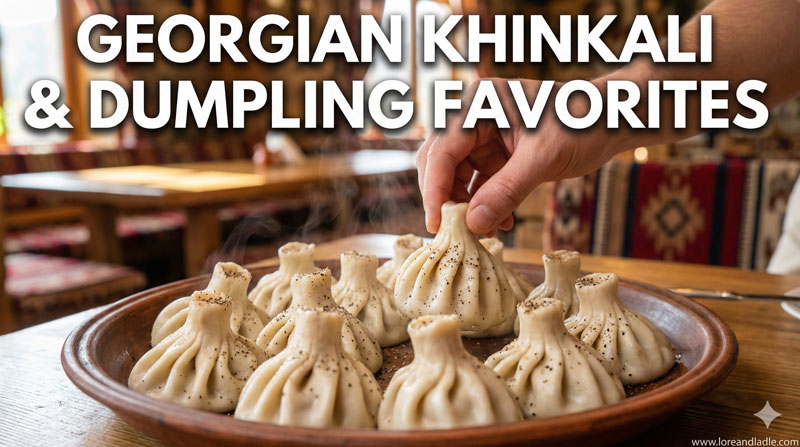
The joy begins with the dough: flour, water, a pinch of salt, and patient kneading. Rest time lets gluten relax, so the wrapper becomes a delicate skin for the filling. The interior blends minced meat with onions, garlic, pepper, and salt. Herbs join the mix to brighten the profile. The hallmark is the juicy interior, released as the dough yields to a gentle bite. Pleating seals in the broth and creates a little crown, a date with craft and care. The result is a dumpling that looks unassuming, yet hides a lively surge of flavors inside.
A Herbaceous Twist
Herbs lift the filling with fresh, vibrant notes. Common companions include cilantro, dill, parsley, and chives, sometimes with a touch of mint or scallion. The herbs balance the meat’s richness and lift the aroma into the steam above the pot. When herbs are minced finely and folded in just before shaping, they release their essential oils as you bite. The herb blend ensures each khinkali offers a bright, aromatic snap that pairs beautifully with cool dairy sauces or a simple sprinkle of black pepper.
Cultural Value and Hospitality
Khinkali are more than a dish; they are a symbol of care in the kitchen. In many homes, a tray of khinkali signals a gathering, a moment to share news, flavors, and laughter. The generous portions reflect generosity of spirit and a wish to nourish friends and family. The herbs and the warm steam carry memories of kitchens where generations learned to balance texture and taste. In this way, juicy khinkali with herbs serves as a bridge between cooks and guests, inviting conversation as naturally as it invites tasting.
Sharing Rituals and Social Joy
Eating khinkali is a social act as well as a culinary one. When friends gather, a shared platter invites conversation and rhythm. Here is a simple, welcoming approach:
- Place the dumplings on a large plate, steam still rising.
- Hold each khinkali by the top knot and take a small bite from the side to create a tiny opening.
- Sip the broth from the opening before continuing. The liquid warmth heightens the herb and meat flavors.
- Eat thoughtfully and pass the platter, letting conversation flow with the pace of the meal.
The act of passing, tasting, and talking makes the experience memorable. Juicy khinkali with herbs becomes a ritual of togetherness, a culinary moment that strengthens friendships and creates new memories.
Practical Tips for Home C cooks
If you want to recreate this dish at Home, keep these tips in mind:
- Keep the dough supple by resting it after kneading. A short rest makes shaping easier.
- Mix the herbs with the filling just before shaping to preserve brightness.
- Shape many dumplings in advance and freeze them on a tray. Transfer to a bag once solid, then boil from frozen.
- Boil in gently salted water until the skins feel tender and the broth is steaming out with the first bite.
- Serve with a light accompaniment—fresh herbs, a simple yogurt sauce, or a drizzle of cracked pepper—to let the khinkali shine.
Juicy khinkali with herbs stands as a graceful, generous dish. It honors skill and tradition while inviting conversation and laughter among friends. Through its textures, aroma, and communal rhythm, it demonstrates how food can be both art and invitation—the perfect centerpiece for shared meals and lasting memories.