
How Katlama Woven Into Uzbek Culture
In Uzbek kitchens, katlama shines as a celebration of texture and togetherness. This delicate, layered bread or pastry enhances gatherings and festive meals. It invites smiles with its crisp edges and tender layers. The dish embodies a spirit of hospitality, where sharing food honors guests and kin alike. In every bite, you sense a history of careful craft, family kitchens, and warm conversations that color the table. Katlama is not just food; it Is a small ritual that marks welcome, season, and a fond memory of home.
What Is Katlama?
Katlama is a traditional Uzbek treat known for its flaky, layered character. It often resembles a laminated pastry or a crisp, golden bread, depending on the region and cook. The layers come from folding and rolling dough with oil or butter, then cooking until the surface glows and the interior remains soft. Some versions are savory, others lightly sweet, and many include a kiss of sesame or similar seeds for fragrance. The result is a versatile dish that can stand beside pilaf or be enjoyed as a snack with tea. Its versatility makes katlama a beloved component of the Uzbek culinary landscape, inviting experimentation while honoring timeless technique.
The Art of Layering and Texture
Layering is at the heart of katlama. Bakers build thin sheets, brush them with oil, and fold to create many delicate strata. Each fold traps aroma and moisture, producing a crisp edge and a soft core. The technique requires patience and precision, yet the promise is generous: a bite that crackles softly and then yields to a tender interior. The scent of toasted dough and nutty oil fills the kitchen as it bakes or cooks on a hot surface. This texture plays beautifully with the fluffy, fragrant grains of Uzbek plov, making katlama a memorable companion at the table.
Katlama and Plov: A Harmonious Pairing
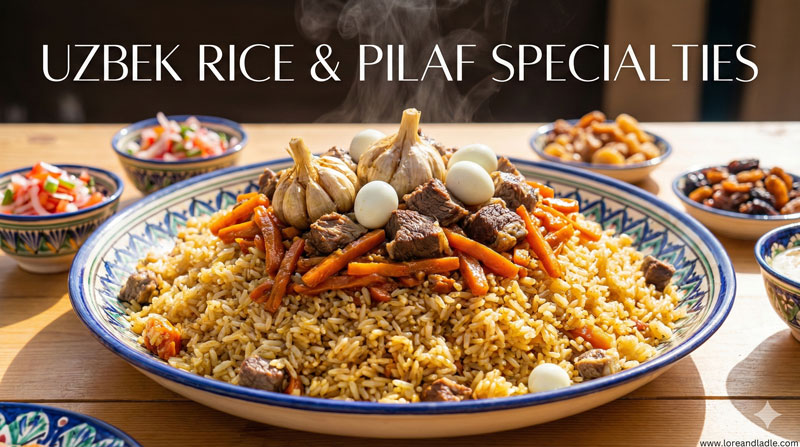
Pilaf, or plov, is a centerpiece of Uzbek dining, with rice that absorbs savory juices and spices. Katlama complements plov by offering contrast: its crisp layers and rich aroma provide a textural counterpoint to the tender grains of rice. The pairing is more than flavor; it is a shared experience. When katlama arrives hot at the table, it signals hospitality and care. Diners break the layers, dip into small bowls of sauce or stew, and savor how the textures mingle with the spices of the pilaf. Together, they tell the story of a cuisine that thrives on balance and slow, attentive cooking.
Core Ingredients and Techniques
The soul of katlama lies in simple ingredients and careful technique. You’ll find flour, water, salt, and a generous amount of oil or melted butter in many recipes. Some cooks add a touch of yogurt or milk to enrich the dough, while sesame seeds or nigella offer a final fragrance. The technique centers on rolling thin sheets, brushing with fat, and folding to create layers. Resting the dough briefly helps it relax, making the final bake or pan-cook even crisper. The result is a versatile canvas: savory with herbs and onions, or lightly sweet with a hint of honey or sugar in the dough.
Serving, Etiquette, and Shared Moments
Katlama shines when shared. Serve it in warm wedges or triangles that reveal the layered interior. It pairs beautifully with plov, yogurt-based sauces, or fresh herbs. In Uzbek homes, presenting katlama with a smile and a few kind words enlivens the meal. Small plates for dipping and a pot of tea complete the scene. The act of passing katlama around the table emphasizes generosity and connection, turning a meal into a moment of togetherness that families and friends remember.
A Modern Kitchen Approach: Preserving Tradition
Today, many cooks adapt katlama for home kitchens with accessible ingredients and equipment. You can maintain the essence of the layered texture by using ready-made dough or simpler folding techniques. The goal remains the same: honor the tradition of careful layering, warm aroma, and the joy of sharing. Modern ovens, skilled home bakers, and creative fillings all contribute to keeping katlama alive while respecting its cultural roots. In this way, the dish travels gently across kitchens, inviting new tasters to discover its beauty.
Final Thoughts
Katlama embodies the beauty of Uzbek culinary culture: craft, patience, and a generous heart. Its layered texture, inviting aroma, and flexible fillings invite both tradition and innovation. When you prepare katlama, you participate in a long tradition of hospitality and shared meals that brings people together around the table. The dish stands as a flavorful reminder of how food can celebrate warmth, memory, and the simple pleasure of good company. If you seek a dish that bridges texture and taste with cultural meaning, katlama offers a delicious and respectful pathway.