
Khinkali Party Platters: Ideas to Bring Georgian Flavors to Your U.S. Table
Khinkali are plump, joyful dumplings that carry more than flavor. They carry a sense of place, of shared meals, and of careful craft. When you set a platter of khinkali on your table, you invite guests to participate in a warm Georgian dining ritual. This post explores the cultural value and culinary significance of khinkali, and offers ideas to bring those flavors to your U.S. table with care and respect.
The Cultural Heart of Khinkali
Culinary ideas often bloom from place, family, and ceremony. In Georgia, meals are a chance to connect, listen, and celebrate together. A circle of khinkali on a large platter signals inclusion and generosity. Each dumpling is a small work of art, shaped by hand and by practice. The pleats tell a maker’s patience; the steaming aroma invites conversation. Sharing khinkali is more than eating. It is a social act that honors guests and hosts alike. The dish embodies hospitality, a cornerstone of Georgian dining culture. Growing up around a table with khinkali teaches rhythm—how to wait for the right moment, how to pass a dish, how to greet a guest with warmth.
The Culinary Craft Behind Khinkali
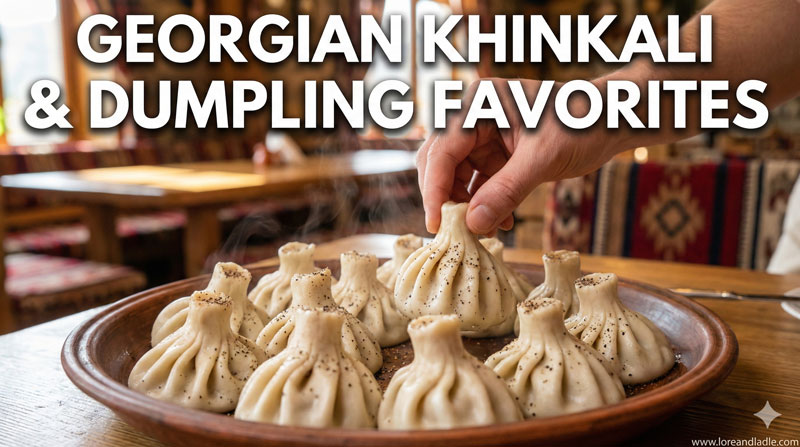
Khinkali fuse simple ingredients into everyday luxury. The dough is a soft, elastic veil that holds a savory inside. It is made from flour, water, and a touch of salt, kneaded until smooth. The filling blends meat with onions, garlic, herbs, and spices. The goal is balance: the meat’s richness, the onion’s sweetness, and the herb notes that lift the filling. The key technique is folding. Each dumpling closes with many tight pleats, creating a little mountain of dough. The result is a handsome knot of pleats and a round bottom that can be boiled or steamed. When cooked, khinkali release a fragrant steam and a hot, flavorful broth inside. Eating them becomes an act of savoring both texture and surprise—the outer dough yielding to a juicy interior.
The Platter Experience: Presentation and Etiquette
A khinkali platter speaks to communal dining. Arrange the dumplings in a generous circle or neat lines on a large serving tray. The goal is abundance and accessibility. Place small bowls of salt and pepper nearby, and offer a simple dipping option like a bright herb-infused oil or a tangy sauce. In Georgia, guests often enjoy khinkali with hot broth and a touch of pepper, sharing bites and stories in between. People use their hands to pick up a dumpling, bite a small hole, sip the broth, and then eat the rest. This ritual of sipping and tasting together makes the moment memorable. To host with ease, keep the heat steady and replenish as needed. The platter remains a focal point, inviting neighbors, friends, and family to gather and celebrate.
Flavor Bridges: Georgian Ingredients You Can Find in the U.S.
Georgian flavors are bright, comforting, and versatile. You can find or substitute many elements for a faithful experience:
- Fresh herbs: cilantro, dill, parsley, and green onions brighten the filling and dipping options.
- Spices and aromatics: garlic, black pepper, coriander seeds, and paprika add warmth without overpowering the meat.
- Sauces: a tart plum sauce (tkemali) or a pepper-spiked adjika can bring a traditional zing to the table.
- Pickled accompaniments: cucumber slices, mixed pickles, and lightly salted vegetables offer crisp contrasts.
- Beverages: clean, refreshing drinks such as light white wine, a sparkling water, or a bright fruit tea pair well with khinkali.
These elements connect Georgian cooking to many home pantries in the United States, allowing cooks to honor the dish while adapting to local ingredients.
Practical Ideas to Bring Georgian Flavors Home
If you want khinkali to shine on your U.S. table, try these approachable ideas:
- Start with a generous khinkali platter as the centerpiece of your meal, then add a few bright sides like tkemali or fresh herb salad.
- Prepare a dough-and-filling day ahead. Chill both components, then form and cook just before serving for maximum freshness.
- Offer a simple dipping option: olive oil with a squeeze of lemon and a pinch of crushed pepper, so guests can adjust heat to taste.
- Create a tasting section with a few variations: classic meat, mushroom for a vegetarian option, and a milder cheese version if allowed by your guests.
- Pair with a light beverage, such as a dry white wine or a non-alcoholic citrus infusion, to balance the richness of the filling.
A Respectful Celebration of Flavor
Georgian cuisine celebrates craft, community, and care. Khinkali embody those values through their handmade folds, their warm interior, and their role in shared meals. By presenting khinkali on a well-arranged platter and by inviting guests to participate in the dining ritual, you honor a tradition that thrives on togetherness. In doing so, you create a bridge between cultures that is flavorful, inviting, and respectful.
Final Thoughts
Khinkali are more than dumplings. They are a living vessel of hospitality, skill, and joy. When you bring khinkali party platters to your U.S. table, you invite a soulful Georgian dining experience into your home. You celebrate the artistry of dough, the generosity of a well-filled dumpling, and the warmth of shared meals. With thoughtful preparation and a welcoming spirit, khinkali can become a beloved tradition at your table, inviting conversation, comfort, and connection with every bite.