
Khinkali with Chicken and Dill: Ideas to Bring Georgian Flavors to Your U.S. Table
Khinkali with chicken and dill offers a graceful doorway into Georgian cuisine. This dish pairs tender dumplings with a bright, herb-forward filling. It invites curiosity, patience, and shared moments around the table. The aim here is to appreciate its cultural value and culinary significance, while offering Ideas for enjoying it at a U.S. table.
A Signature Form and Its Gentle Power
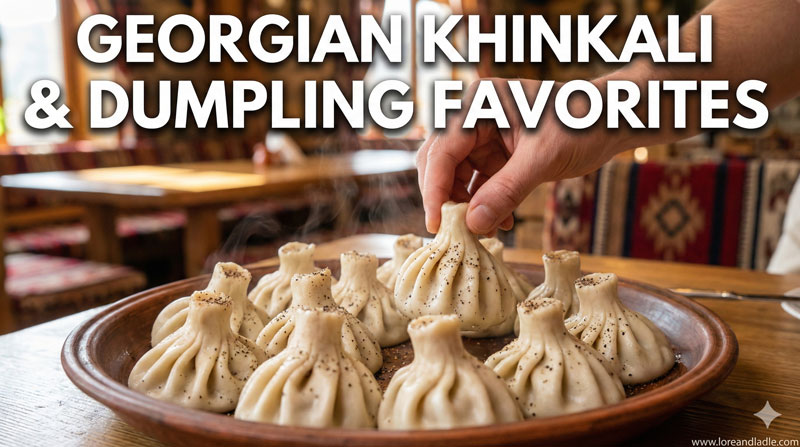
Khinkali are more than food; they are a form of expression. The dough is sturdy yet tender, crafted to cradle a juicy filling. Each dumpling is sealed with careful pleats, creating a tiny purse that holds warmth and steam. When you bite, the flavorful juices mingle with the aromatic dill and seasonings inside. This balance between exterior texture and interior brightness illustrates a core principle of Georgian cooking: harmony through technique and ingredients. The chicken version centers accessibility and lightness, making the herb aroma of dill a star element rather than a heavy backdrop.
The Heart of Georgian Flavor: Dill, Herbs, and Hospitality
Dill is a bright, fragrant companion to poultry in this dish. Dill wakes the palate and brightens the savor of the filling, while onions and smooth garlic provide depth. Optional notes from khmeli suneli, a traditional Georgian spice blend, add warmth and a subtle peppery aroma. The result is a stew of textures and scents that captures the region’s love of fresh herbs and balanced seasoning. The culinary value lies in how simple ingredients, arranged with care, can become soulful nourishment. This is a dish that speaks of daily life, family tables, and generous sharing.
Cultural Significance at the Georgian Table
Georgian meals often center around generosity and discussion, with food as the language that connects people. Khinkali is iconic in this setting. It invites diners to participate—folding, sealing, and then savoring together. The act of presenting a steaming basket of khinkali creates a scene of warmth and welcome. Even in a U.S. kitchen or dining room, the dish carries a sense of hospitality: a gentle invitation to slow down, notice the herb fragrance, and enjoy the savor of a well-made dumpling. In essence, khinkali with chicken and dill is a small beacon of Georgian culinary identity, celebrating craft, family, and shared meals.
Sourcing and Adapting in the United States
To honor authenticity while staying practical in the U.S., choose fresh chicken, dill with bright green fronds, onions, and garlic. Dill becomes the defining note, so use it generously. If you have access to khmeli suneli or a Georgian-style herb blend, add a pinch to echo regional depth. Fresh yogurt or sour cream can accompany the dish, offering a cool contrast to the warm dumplings. Freshly squeezed lemon can brighten each bite. When selecting flour, a good all-purpose flour works for traditional dough. The goal is to preserve the sense of place that Georgian cooks bring to the table, even when cooking far from home.
Technique with Respect: Craft and Care
A respectful approach to making khinkali emphasizes care and repetition. Roll the dough to a comfortable thickness, stir a filling that is moist but not loose, and seal each dumpling with many delicate folds. The pleats are a quiet art form; they speak of patience and skill. Steam or boil the dumplings so the interior stays juicy while the dough remains tender. The result is a dumpling that carries its own little hello—the warmth of the kitchen, the fragrance of dill, and the charm of shared moments.
Serving Ideas That Highlight Georgian Spirit
- Present khinkali in a warm basket or on a wooden board, with dill sprigs for aroma.
- Offer a small bowl of yogurt or sour cream for dipping, and a squeeze of lemon to lift the dill.
- Pair with a crisp white or a light, fruity red wine that complements herbal notes.
- Include a simple salad of cucumber and herbs to echo the freshness of the dish.
A Welcome Invitation to Explore
Khinkali with chicken and dill is an invitation to explore Georgian flavors with curiosity and care. It demonstrates how a few well-chosen ingredients, prepared with tradition and attention, can become a feast for the senses. By sharing this dish at your table, you celebrate the beauty of Georgian cooking and its emphasis on balance, technique, and hospitality. In short, it is a delicious bridge between cultures, inviting everyone to savor the elegance of Georgian food right at your U.S. table.