
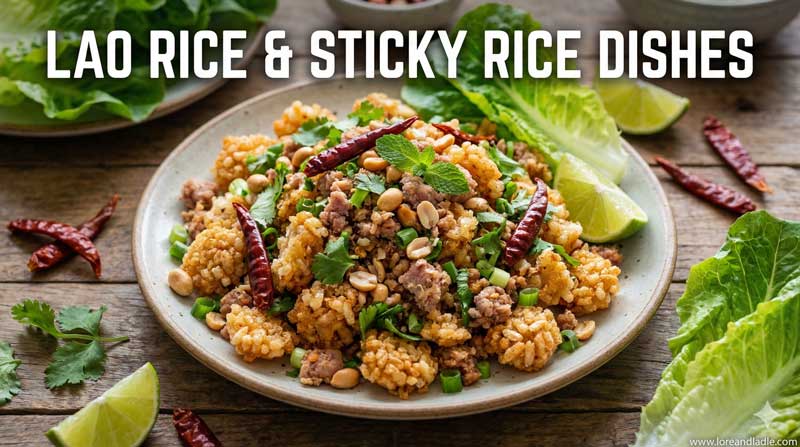
Introduction
Kid-Friendly Lao Rice & Sticky Rice Dishes the Whole Family Will Enjoy honors a staple that many Lao households treasure daily. This blog looks at the cultural value of rice, especially sticky rice, and its culinary significance in family meals. You will see how simple grains become a bridge between taste, tradition, and togetherness. The aim is to celebrate the beauty of Lao cooking while keeping flavors approachable for children and parents alike.
The Core of Lao Rice Culture
In Lao culture, rice is more than nourishment. It anchors daily life, rituals, and shared moments. Sticky rice, or glutinous rice, holds a special place because its texture invites tactile eating with fingers, inviting everyone at the table to participate. Meals often begin with a small quantity of sticky rice to be pressed into palm-sized bites, then paired with vegetables, fish, or mild meats. The practice teaches patience, balance, and respect for cooks and guests. When families gather, rice becomes the common language that holds the menu together and invites curiosity from young eaters.
Crafting Sticky Rice: Techniques and Texture
The magic of sticky rice lies in texture. Soaking helps the grains hydrate, while steam finishes them to a glossy, cohesive bite. In Lao kitchens, rice is commonly steamed in a woven basket, letting excess steam and tiny grains escape while preserving a soft, clingy finish. The result is a manageable portion that kids can pinch, roll, and dip. This tactile experience deepens curiosity about food. Eating with the hands is not only practical; it is a gentle lesson in care, timing, and sharing. A well-made sticky rice pairs with a gentle sauce or a mild herb preparation, letting the rice shine as the plate’s quiet center.
Kid-Friendly Flavor Foundations
Even in a traditional setting, Lao flavors can be made kid-friendly without losing authenticity. Start with gentle sesame-like nutty notes, mild fish or chicken preparations, and fresh herbs in small, fragrant amounts. A light dipping sauce—made with lime, a hint of sugar, and a touch of fish sauce—offers brightness without overwhelming heat. Fresh vegetables, grilled fish, or tender chicken complement sticky rice beautifully. For children, keep spice levels modest and offer the sauce on the side for dipping. This approach preserves cultural accuracy while inviting young palates to explore new textures and tastes.
Sharing Meals: Family Traditions Around Rice
Cultural value blooms when families come together around rice. Lao meals often feature several small dishes alongside a central mound of sticky rice. This setup invites sharing, conversation, and observation of others’ preferences. Children learn by watching elders pick up a portion, mix it with a bite of meat, and sample a new herb. The routine teaches generosity, listening, and gratitude. In this setting, the plate never feels rushed; it invites lingering moments of warmth and connection. The result is a family tradition that honors both food and friendship.
Practical Tips for Home Kitchens
- Choose good-quality glutinous rice and plan ahead with a light soaking.
- Steam until the grains cling softly but hold their shape.
- Prepare a mild jeow or a simple herb dip on the side for Kids.
- Offer protein options like grilled fish or chicken with gentle seasoning.
- Plate rice in a central mound and arrange small bowls of vegetables and sauce around it.
- Involve children in washing, soaking, and simple mixing tasks to deepen their sense of place in the meal.
- Keep portions modest and let kids choose what to try first, building confidence with new flavors.
The Culinary Significance: A Living Heritage
Sticky rice is a living thread in Lao cuisine. It connects fields, markets, kitchens, and the family table. By focusing on kid-friendly preparations, households pass down technique and taste from one generation to the next. This is not about strict rules; it is about a shared practice that honors farmers, cooks, and young eaters. When children participate, they learn to value patience, texture, and balance. In turn, the dish becomes a bridge between tradition and everyday joy, enriching the culture with a personal story every time a family sits down to eat.
Conclusion
The dish idea of Kid-Friendly Lao Rice & Sticky Rice Dishes the Whole Family Will Enjoy celebrates more than flavor. It honors cultural value, tactile learning, and the beauty of communal meals. By keeping the approach warm, simple, and inclusive, families can savor Lao rice traditions while welcoming new taste experiences. This is a invitation to explore Lao cooking with curiosity, respect, and a shared plate that brings everyone together.