
Introduction
How to Make Lagman – Uzbekistani Dumplings & Noodle Plates Flavor You’ll Love invites you into a warm corner of Central Asian cooking. This dish blends tender noodles, savory meat, and bright vegetables into a comforting, vivid bowl. It isn’t just food; it is a celebration of technique, season, and shared moments around the table. In this post, we explore the cultural value and culinary significance of lagman, highlighting why it remains beloved in Uzbek kitchens and beyond.
What is Lagman?
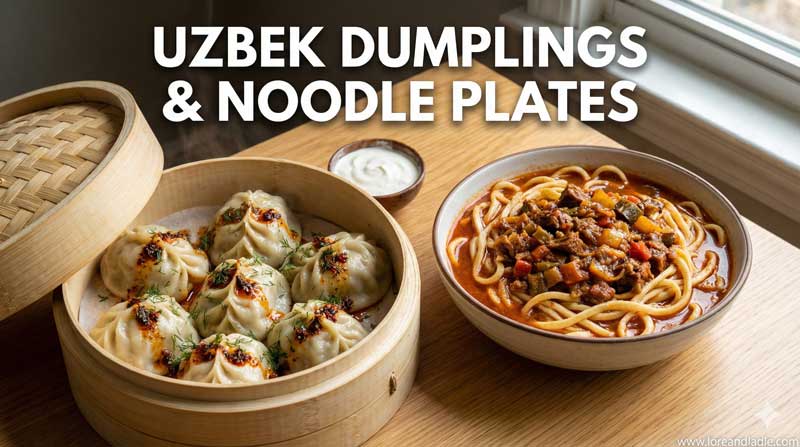
Lagman is a hearty dish built on two pillars: hand-crafted noodles and a fragrant meat-and-vegetable base. Some versions emphasize a rich broth, while others feature a stir-fried noodle style with vegetables and meat layered on top. Across Uzbek households, the noodles may be long and slender or thick and supple, often made by hand with patience and care. The meat tends to be beef or lamb, and a colorful mix of onions, peppers, tomatoes, and carrots provides sweetness and depth. In many homes, lagman is a showcase of balance—slightly chewy noodles, a savory sauce, fresh herbs, and a bright finish from herbs or a squeeze of lemon.
Cultural Value: Hospitality on a Bowl
Lagman arrives at the table as an invitation to share. In Uzbek culture, meals are moments of connection, where stories flow as freely as steam rising from the pot. Lagman is frequently prepared for family gatherings, weekend lunches, or special occasions, turning ordinary days into small celebrations. The act of cooking lagman—mixing dough, rolling noodles, simmering a pot, arranging toppings—delivers a message of care. The dish nourishes not only bodies but friendships and kinship, offering a quiet space where Home Cooks and guests meet through flavor. When a family makes lagman together, each step—kneading, shaping, tasting, adjusting seasoning—becomes a memory carried forward.
The Craft: Noodles and Dumplings
Two crafts stand out in lagman: noodle making and, in some regional takes, dumplings that accompany the dish. Hand-pulled or hand-cut noodles require patience and rhythm. The dough rests, then is stretched and cut to the right thickness, ready to slip into the simmering pot or to be plated with sauce. Dumplings, where present, add a soft contrast to the long noodles and meaty broth. Both elements celebrate texture: the chew of the noodle against the tenderness of meat, the crispness of vegetables, and the bright lift of fresh herbs. This careful balance makes lagman feel timeless and personal at the same time.
Core Flavors and Techniques
At its heart, lagman emphasizes harmony. A savory meat base is seasoned with onions, garlic, and peppers, with tomatoes or tomato paste enriching the sauce. Spices like cumin, coriander, and sometimes paprika bring warmth without overpowering the dish. Fresh herbs—cilantro, dill, or parsley—finish the bowl, adding a lift that wakes the senses. Vegetables contribute color and sweetness, while the noodles provide substance and a satisfying chew. The technique rewards patience: slow simmering to deepen the meat flavor, gentle simmering to keep vegetables bright, and careful timing so noodles never overcook. Each spoonful should feel balanced, with every ingredient playing its part.
Regional Variations Across Uzbekistan
Within Uzbekistan, lagman wears subtle regional accents. Some areas favor a heartier broth, others lean toward a stir-fried noodle style with a glossy finish. The choice of meat, the cut of vegetables, and the herb mix can shift from town to town, yet the essence stays the same: a noodle-forward dish that centers comfort, nourishment, and sharing. In all its forms, lagman connects cooks and diners to local markets, seasonal produce, and family recipes handed down with care. This variety enriches the cuisine, offering a taste map of the country’s gardens, farms, and culinary imagination.
Serving Traditions and Pairings
Lagman shines best when served hot, with bowls arranged for communal eating. A simple accompaniment of bread on the side taps into a long-standing habit of using bread to scoop up sauce and noodles. Lemon wedges or a squeeze of lime can brighten the dish, while a final dusting of fresh herbs adds color and aroma. Some households add a dollop of yogurt for a creamy contrast, while others favor a sprinkle of chili or pepper paste for a gentle kick. These small touches reflect personal preference and regional style, yet all honor the idea of sharing a nourishing meal with care.
A Flavor Journey: Why Lagman Captures the Imagination
Lagman invites curiosity: how a few components can merge into a cohesive, comforting plate. The noodles speak of craft and patience; the meat speaks of warmth and sustenance; the vegetables sing with color and vibrancy. The dish travels through time and space as cooks adapt it with local ingredients, but it always returns to the table as a unifier. This sense of continuity—between technique, family memory, and everyday meals—gives lagman its enduring charm. It is a dish that teaches balance, generosity, and the joy of cooking as a shared art.
Tips for Home Chefs: Bringing Lagman Home
- Start with fresh noodles if possible; if not, choose high-quality store noodles and cook just until al dente.
- Use a wide, heavy pot to build a good base for the meat and vegetables.
- Layer flavors: brown the meat well, then add onions and peppers to develop sweetness.
- Let the sauce simmer gently to meld flavors without reducing the vegetables to mush.
- Finish with fresh herbs to brighten the dish just before serving.
- Don’t fear flexibility: swap in other vegetables you love, or adjust the spice level to match your palate.
- Pair with a simple salad or a crusty loaf of bread to complete the meal.
Conclusion: A Bridge Between Taste and Tradition
Lagman, in its Uzbek form, is more than a recipe. It is a vessel for family, a testament to craft, and a celebration of seasonal ingredients. The dish invites cooks and guests to slow down, savor textures, and enjoy a nourishing bowl together. Whether you savor it as a comforting weeknight meal or a weekend centerpiece, lagman offers a timeless reminder: great food connects people, one flavorful bite at a time. By exploring its noodles, dumplings, and savory broth, you glimpse the beauty of Uzbek culinary culture and the enduring appeal of a well-made, thoughtful dish.